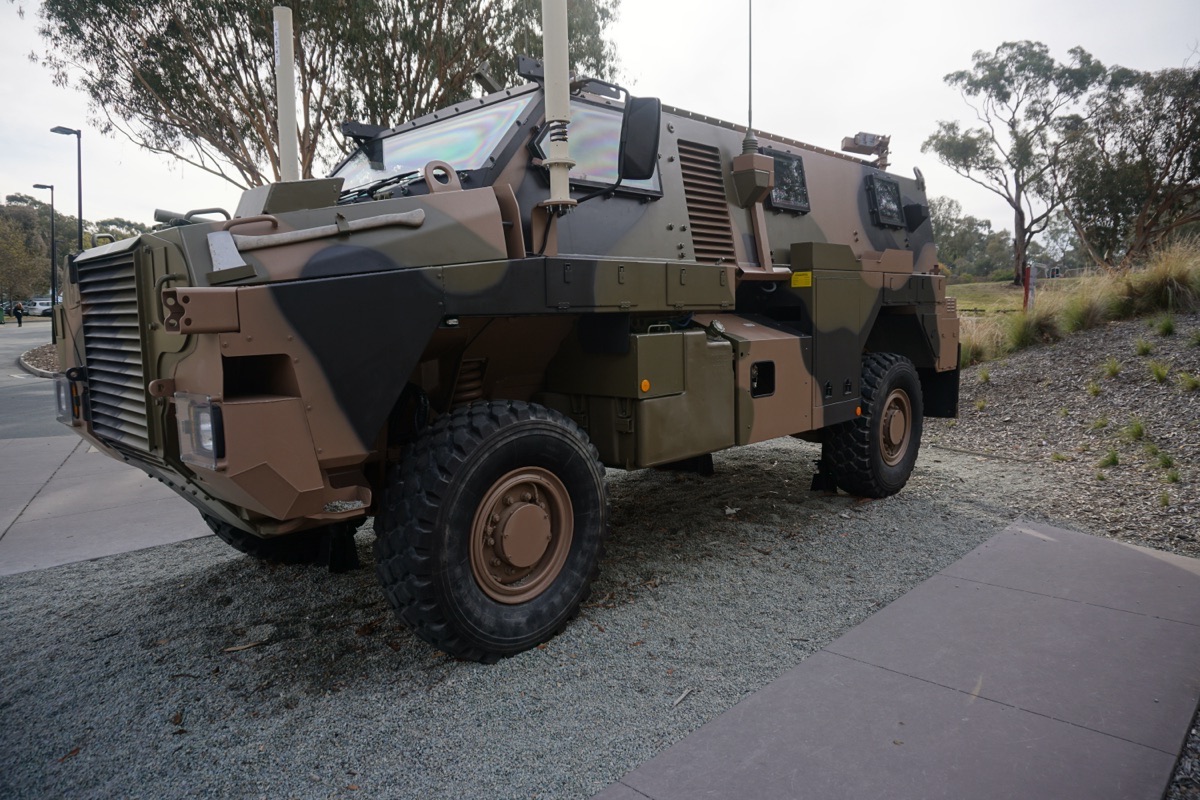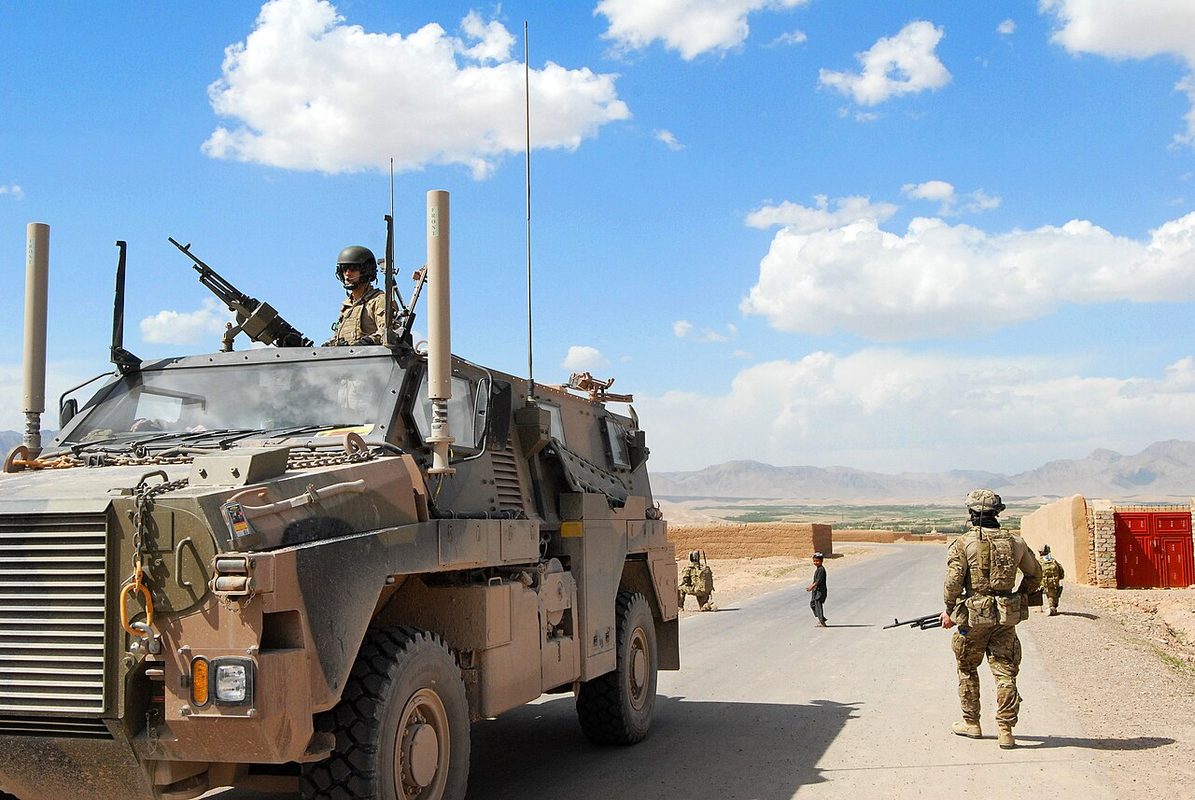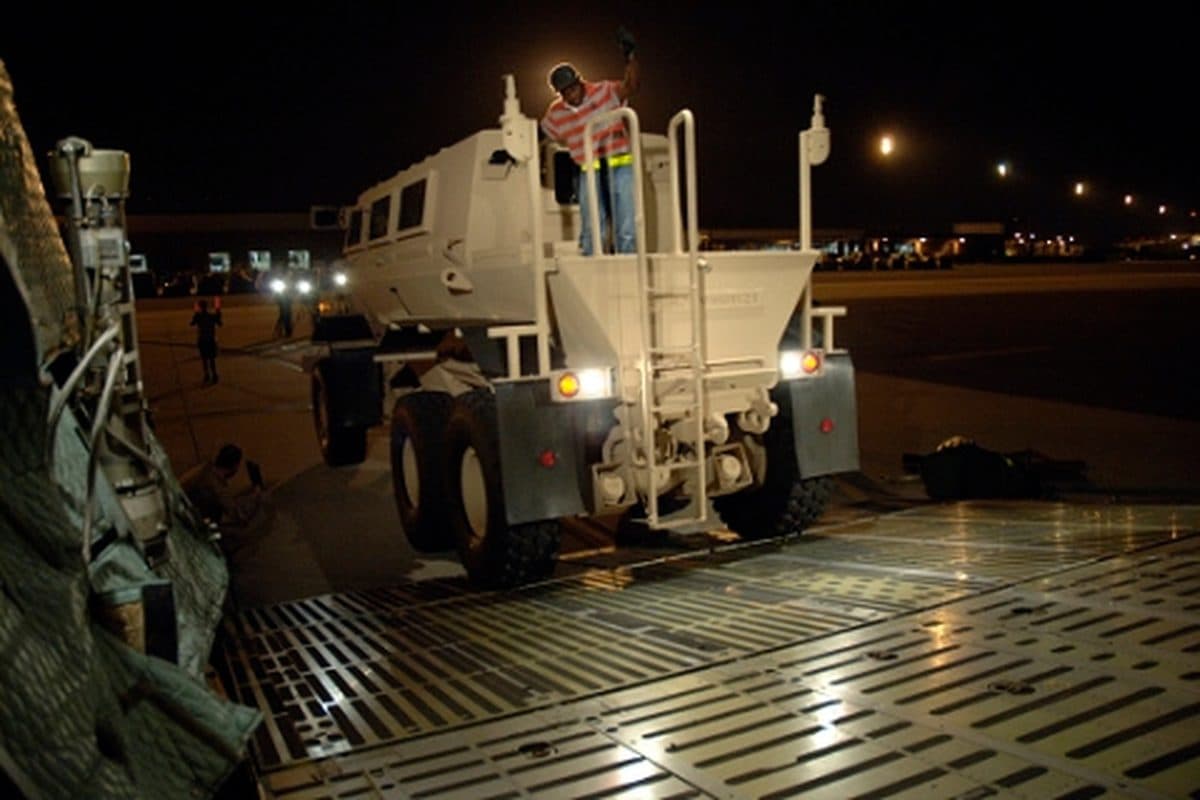

One hundred IED blasts. Zero crew killed. That's the Bushmaster Protected Mobility Vehicle's record in Afghanistan, a survival rate so perfect that it sounds like marketing copy rather than operational data. But it's real. Australian, Dutch, and British troops riding in Bushmasters survived blast after blast that would have killed everyone inside a Humvee or a standard armored personnel carrier. The vehicle's V-shaped hull, a design feature that many dismissed as unnecessary when the Bushmaster entered service, turned out to be the most important piece of engineering on the vehicle. Every angle, every weld, every curve in that hull was designed to solve one problem: keep the blast energy from reaching the people inside.
The Design Philosophy: Protection First
The Bushmaster began life in the early 1990s as a project by Australian Defence Industries (later acquired by Thales Australia). The Australian Army wanted a vehicle that could transport infantry safely across the vast distances of the Australian outback, and through the mine-contaminated environments that Australian peacekeepers encountered in places like East Timor, Somalia, and later Afghanistan.
The design team, led by engineer Bronte Gould, made a fundamental decision early: protection would be the primary design requirement, not firepower, not speed, not payload. The Bushmaster would be built around keeping its occupants alive. This philosophy, protect first and fight second, was unusual at the time. Most military vehicle programs prioritized mobility and firepower, treating protection as a secondary consideration or an afterthought.
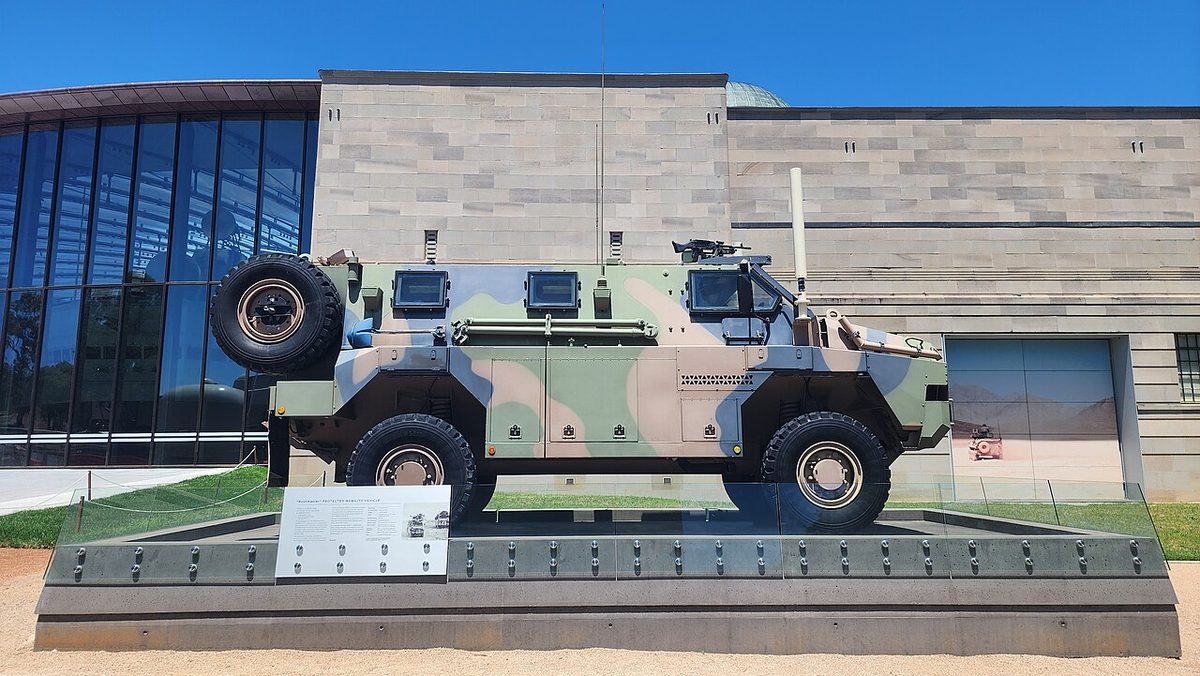
The contrast with American experience is instructive. When the U.S. invaded Iraq in 2003, its primary troop transport was the M998 Humvee, a vehicle designed for mobility behind the front lines, with minimal armor. As the insurgency intensified and IED attacks became the primary threat, Humvees proved tragically vulnerable. Thousands of American soldiers were killed or maimed in Humvees that offered almost no blast protection. The U.S. military scrambled to retrofit armor kits and eventually developed the MRAP (Mine-Resistant Ambush Protected) program, but only after years of casualties that might have been prevented with better-protected vehicles from the start.