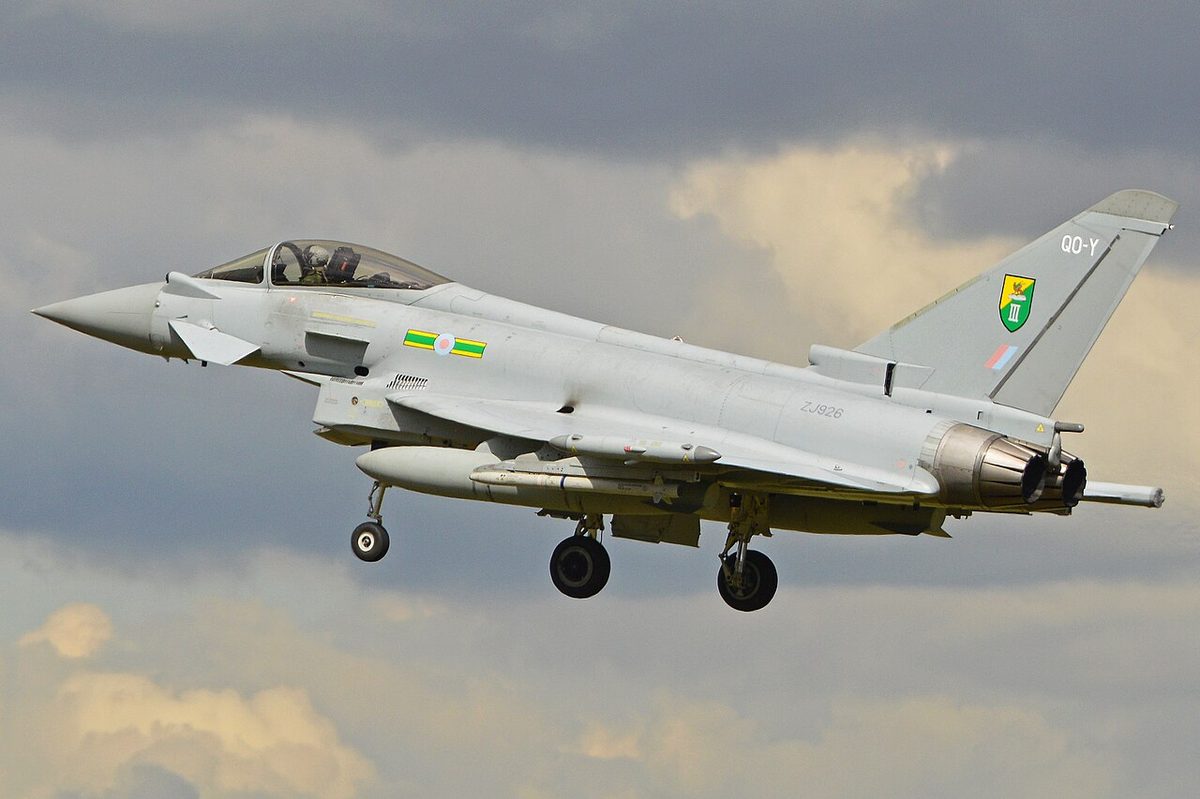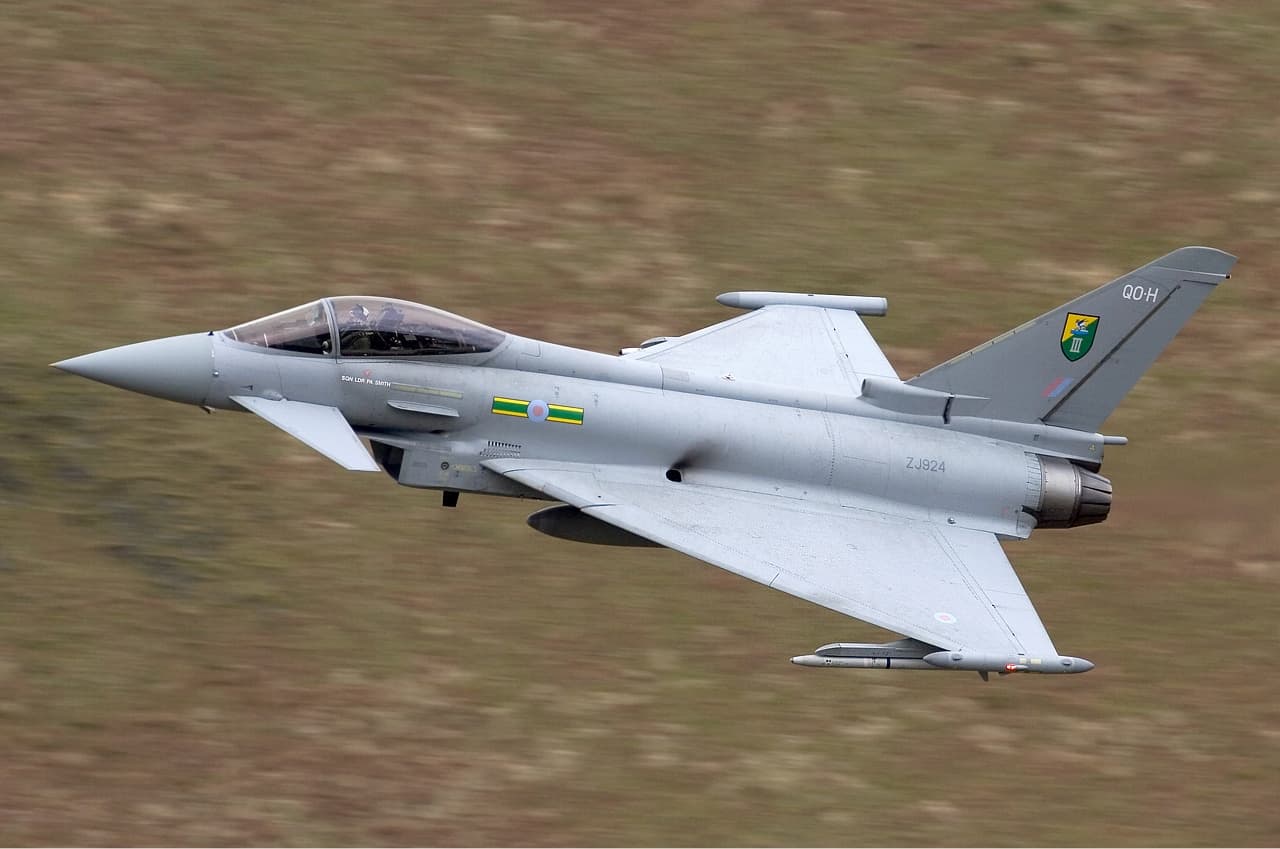

In the early 1980s, five European nations, Britain, France, Germany, Italy, and Spain, agreed to develop a common European fighter aircraft. France wanted a lighter, carrier-capable multirole jet. The other four wanted a larger, air-superiority-focused interceptor. Neither side would compromise. France left the consortium in 1985 and built the Dassault Rafale. The remaining four nations built the Eurofighter Typhoon. Four decades later, these two aircraft, born from the same requirement, shaped by the same threat, and separated by political disagreement, are Europe's premier fighter jets. They compete head-to-head in nearly every export campaign on the planet. They fly alongside each other in NATO operations. And the question of which is better has fueled one of the most enduring debates in military aviation.
Two Fighters, One Origin
The shared origin matters because it explains why the Typhoon and Rafale are so similar in some ways and so different in others. Both are twin-engine, delta-canard fighters designed in the same era against the same threat, Soviet fourth-generation fighters and integrated air defense systems. Both use similar aerodynamic configurations. Both incorporate advanced avionics, active electronically scanned array (AESA) radars, and a wide range of European precision weapons.
But France's departure from the collaborative program was driven by genuine design differences, not just politics. Dassault wanted a smaller, lighter aircraft, one that could operate from the Charles de Gaulle aircraft carrier and perform nuclear strike missions with the ASMP-A cruise missile. The other four partners wanted a larger, heavier aircraft optimized for air superiority over Central Europe. The result was two fighters that overlap in many capabilities but diverge in philosophy: the Typhoon is an air superiority fighter that learned to do multirole, while the Rafale was designed from day one as a true omnirole platform.
The Machines
| Specification | Eurofighter Typhoon | Dassault Rafale |
|---|---|---|
| Engines | 2× Eurojet EJ200 (20,000 lb thrust each) | 2× Safran M88 (16,900 lb thrust each) |
| Max Speed | Mach 2.0 | Mach 1.8 |
| Supercruise | Mach 1.5 (clean) | Mach 1.4 (clean) |
| Combat Radius | ~1,390 km (air-to-air) | ~1,850 km (with external tanks) |
| MTOW | 23,500 kg (51,800 lb) | 24,500 kg (54,000 lb) |
| Radar | Captor-E AESA (Tranche 3+) | RBE2 AESA |
| Carrier Capable | No | Yes (Rafale M) |
| Nuclear Strike | No (B61 integration planned) | Yes (ASMP-A cruise missile) |
| Unit Cost | ~€110–130 million | ~€100–120 million |
Air-to-Air: Advantage Typhoon
In pure kinematic terms, the Typhoon holds an edge. Its EJ200 engines produce more thrust per engine than the Rafale's M88s, and the Typhoon's thrust-to-weight ratio is among the highest of any fighter in service. It can supercruise, sustain supersonic flight without afterburner, at approximately Mach 1.5, slightly faster than the Rafale's Mach 1.4. In high-altitude, high-speed intercept profiles, the mission the Typhoon was originally designed for, it is exceptionally capable.