
On February 27, 2022, just three days after Russia launched its full-scale invasion of Ukraine, German Chancellor Olaf Scholz stood before a special session of the Bundestag and used a word that would define an era of German defense policy: Zeitenwende. A turning point. In a speech that stunned even members of his own coalition, Scholz announced a €100 billion special fund for the Bundeswehr and committed Germany to spending more than 2% of its GDP on defense. For a country that had spent three decades systematically shrinking its military, this was not a policy adjustment. It was a reversal of the entire strategic trajectory that Germany had followed since reunification.
What has followed is the most ambitious defense transformation in Europe since the end of the Cold War. Germany, the continent's largest economy, is attempting to rebuild a military that was allowed to atrophy for so long that soldiers reported using broomsticks in place of machine guns during NATO exercises as recently as 2015. The gap between ambition and readiness is enormous. Closing it requires not just money, but industrial capacity, procurement reform, trained personnel, and a fundamental shift in how Germany thinks about the use of military force. Three years into the Zeitenwende, the money is flowing, contracts are signed, and some equipment is arriving. But the question that matters most remains open: can Germany actually transform spending into combat-ready capability at the speed the security environment demands?
This article examines what Germany is buying, how much it is spending, what has actually been delivered, and where the gaps remain. The focus is on verified numbers and observable outcomes rather than political declarations. Promises are easy. Readiness is hard.
How Germany's Military Shrank: From 495,000 to a Readiness Crisis
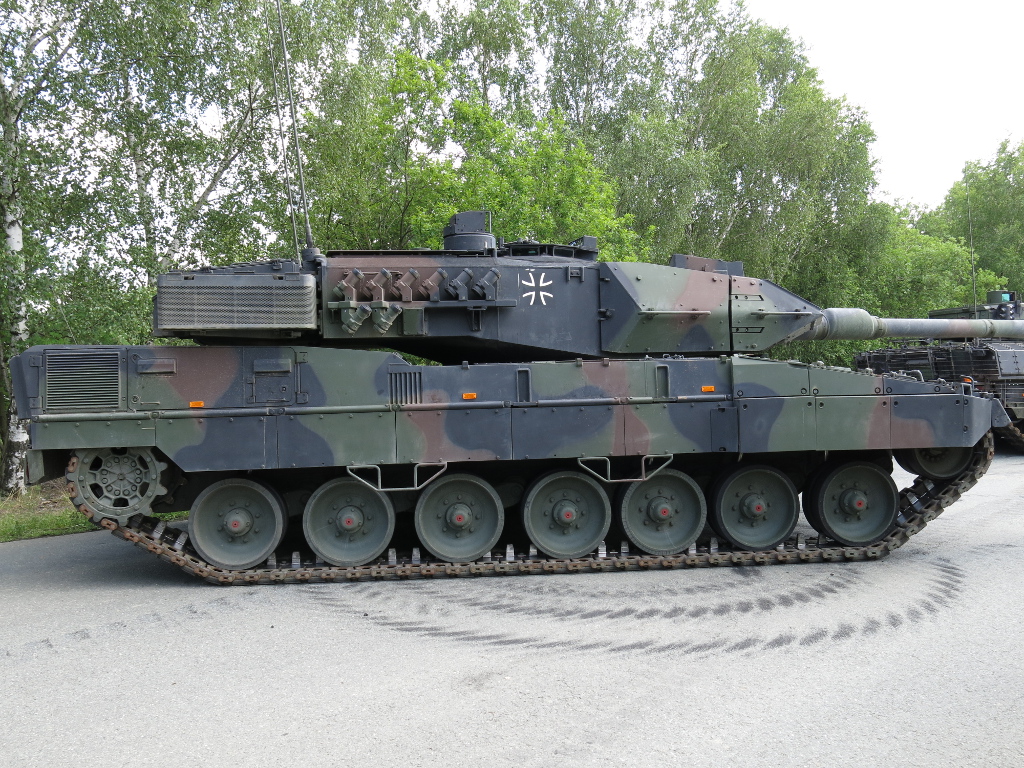
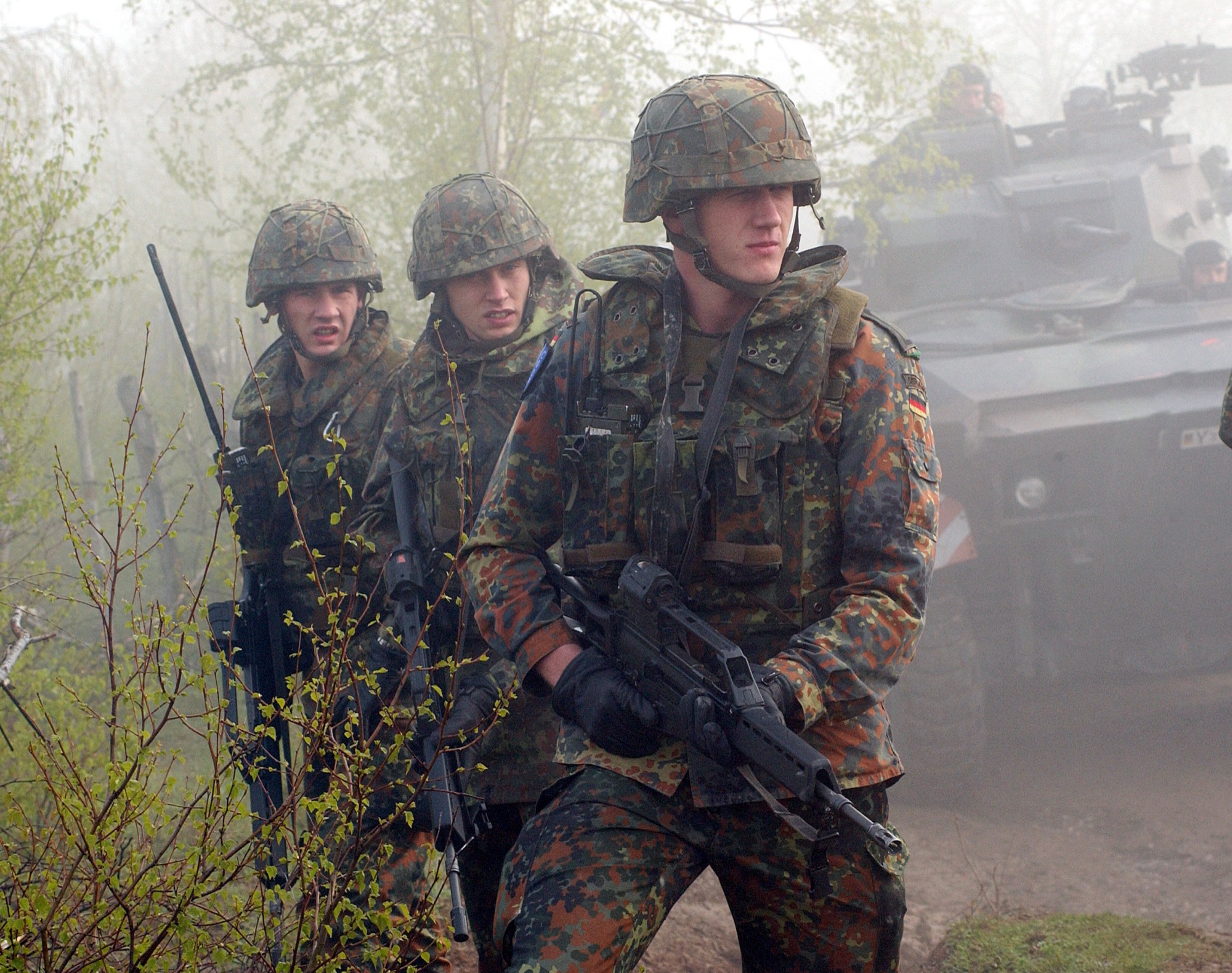
To understand the scale of Germany's current transformation, you have to understand how far the Bundeswehr fell. During the Cold War, West Germany maintained one of NATO's most formidable conventional forces. According to the International Institute for Strategic Studies (IISS) Military Balance archives, the Bundeswehr at its peak in the late 1980s fielded roughly 495,000 active-duty personnel, operated approximately 5,000 main battle tanks (primarily Leopard 1s and Leopard 2s), and was organized to defend against a Soviet armored thrust through the Fulda Gap. The Bundeswehr was the backbone of NATO's conventional deterrence in Central Europe.