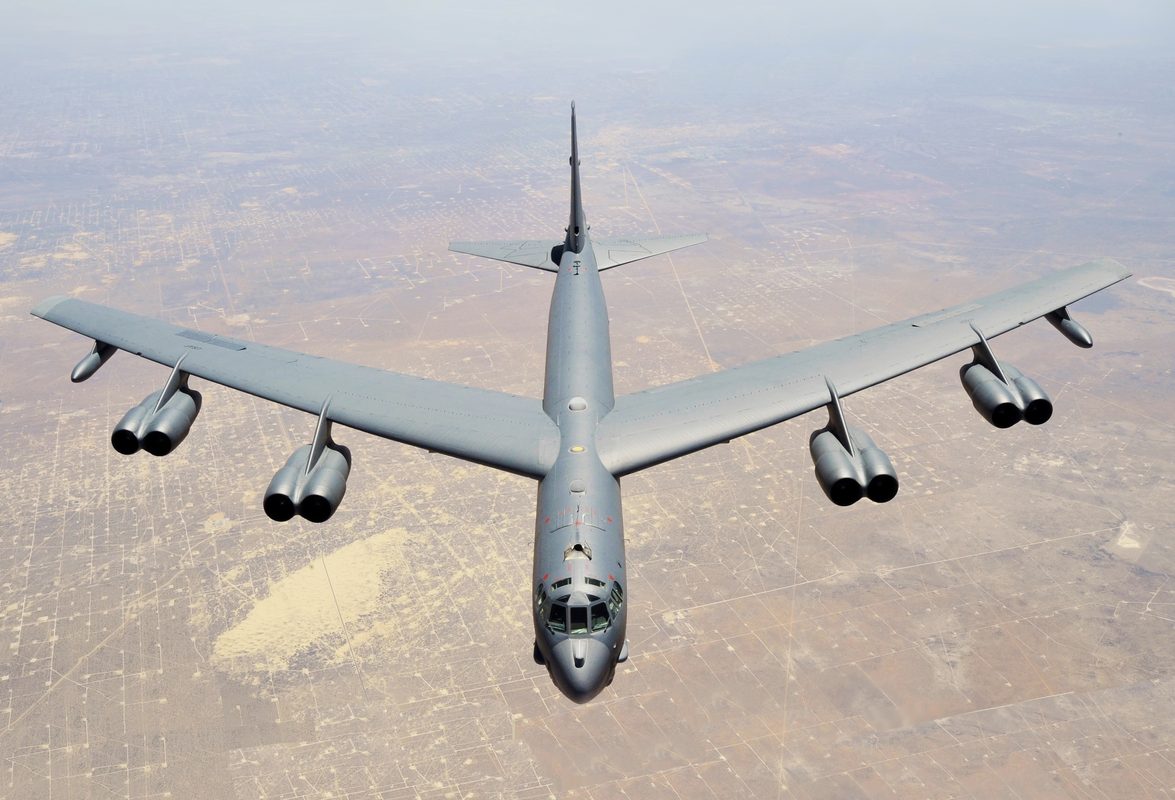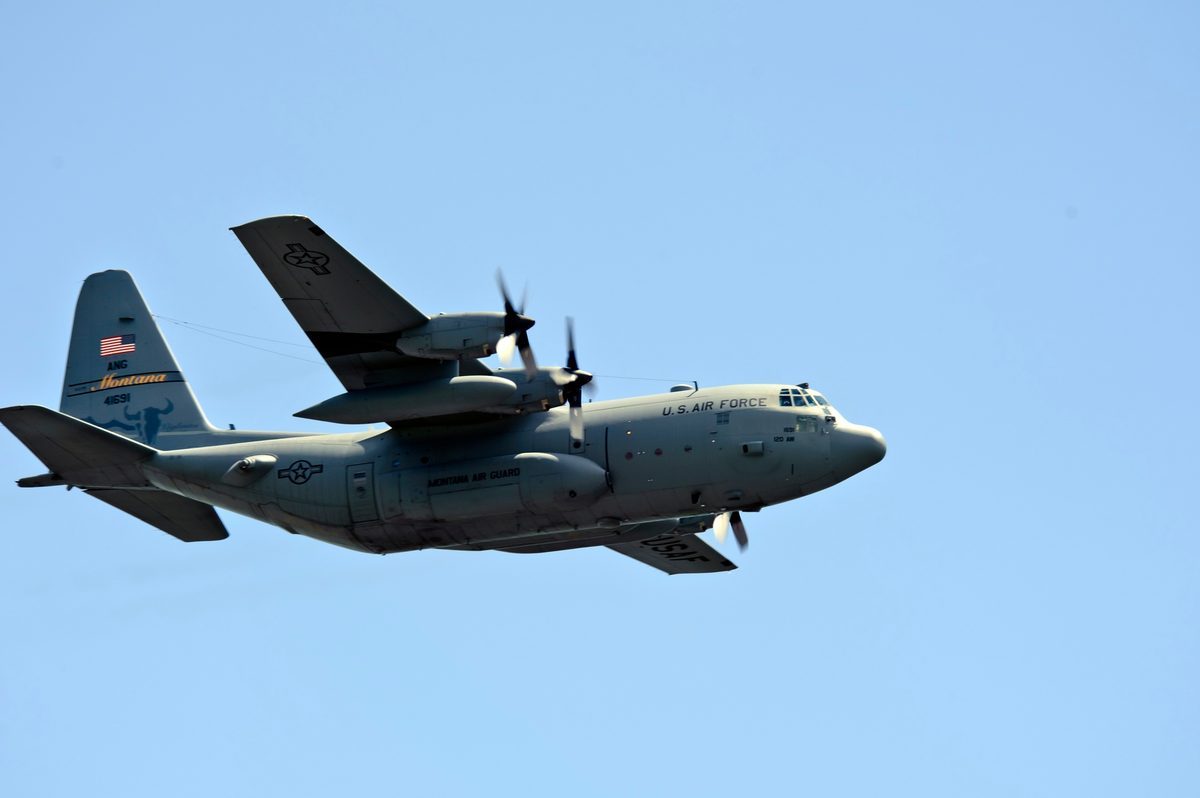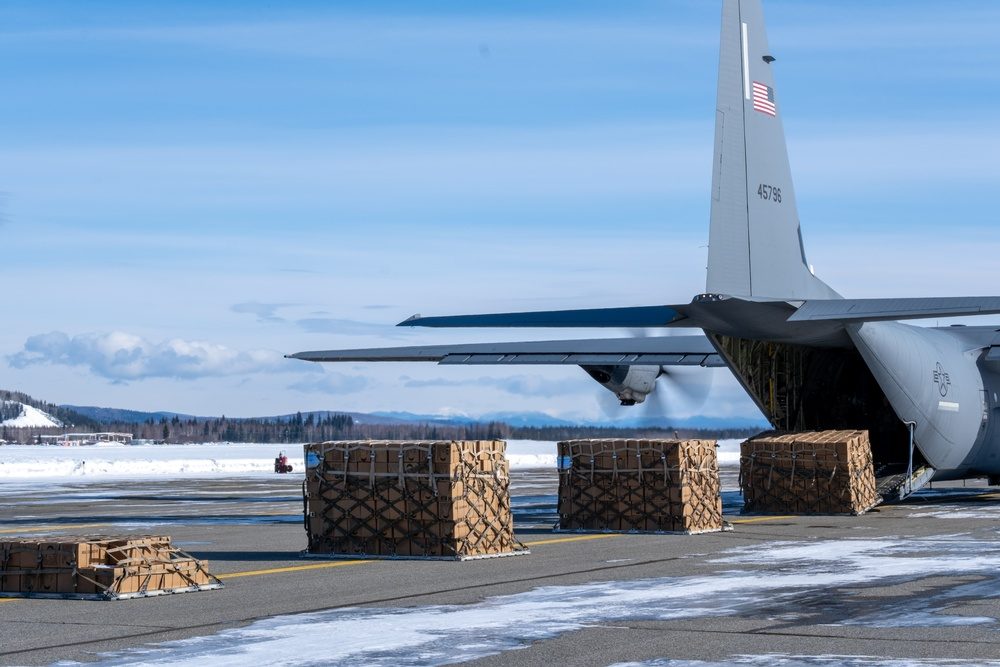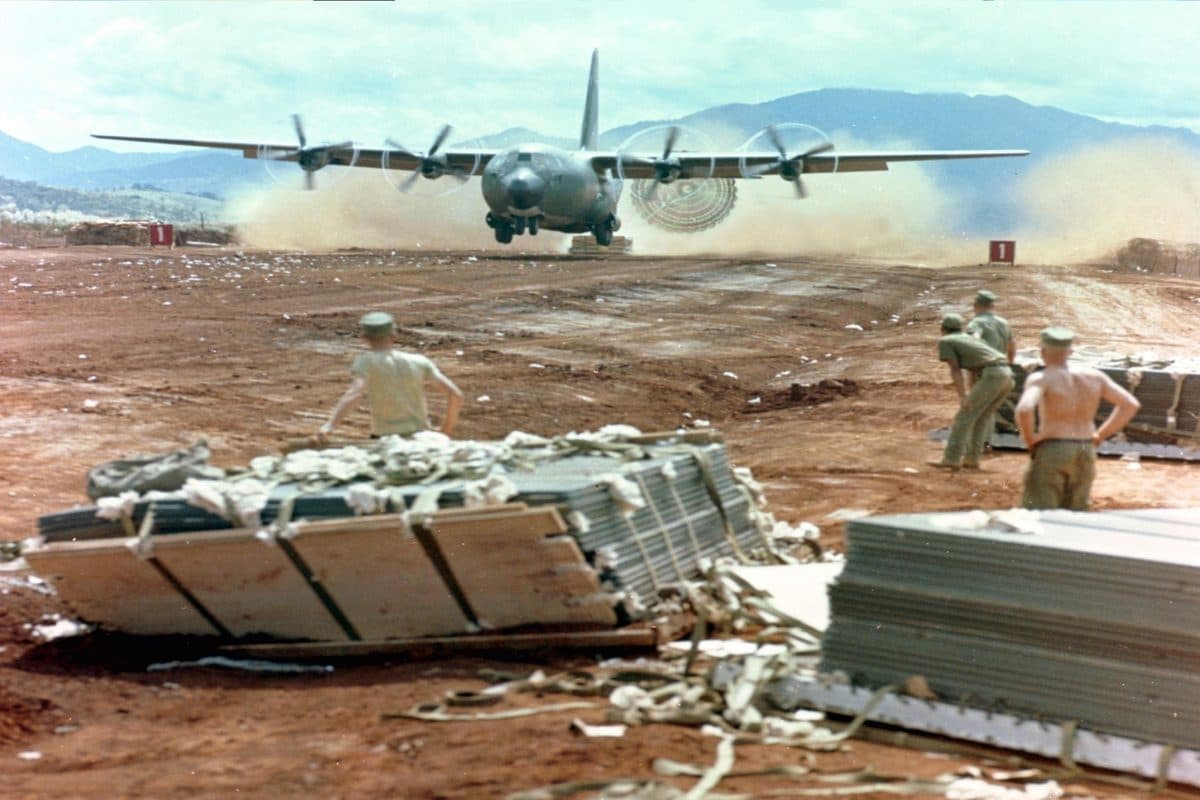

For 77 days, 6,000 Marines held a hilltop against 20,000 North Vietnamese soldiers. B-52 bombers dropped more ordnance around that single base than fell on all of Japan in 1945. Resupply planes landed on a runway that was under mortar fire so constantly the Marines called it "the Slot Machine", you pulled in, and whether you got blown up was pure chance. The siege of Khe Sanh, from January 21 to April 8, 1968, became the most intensely fought fixed battle of the Vietnam War. It was a tactical victory for the Marines. Whether it was a strategic victory is a question the Pentagon has been arguing about for nearly sixty years.
Why Khe Sanh Mattered, Or Seemed To
Khe Sanh Combat Base sat on a plateau in northwestern South Vietnam, roughly 14 miles south of the DMZ and 6 miles from the Laotian border. Its original purpose was to serve as a patrol base for surveillance of the Ho Chi Minh Trail, the network of roads and paths through Laos and Cambodia that supplied the North Vietnamese Army (NVA) and Viet Cong in the South. By late 1967, intelligence indicated that the NVA was massing multiple divisions in the hills around Khe Sanh, and General William Westmoreland made the fateful decision to reinforce the base and fight.
Westmoreland saw Khe Sanh as an opportunity. He believed the NVA was seeking a set-piece battle, and he wanted to give them one, on his terms. With overwhelming American air power available, a fixed NVA force in known positions was a target, not a threat. Westmoreland was thinking about Dien Bien Phu, the 1954 French disaster where a similar garrison was besieged and overrun. He was determined to prove that American firepower could succeed where French firepower had failed.
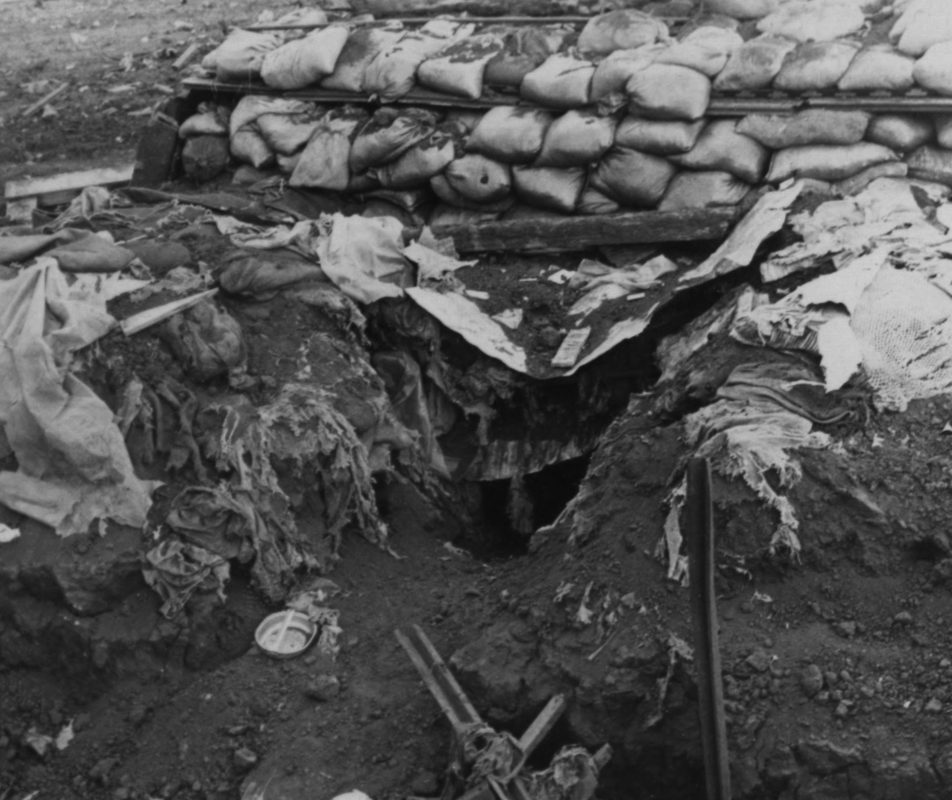
The Siege Begins: January 21, 1968
At 5:30 AM on January 21, NVA forces hit Khe Sanh's ammunition dump with a barrage of 122mm rockets and 82mm mortars. The dump exploded, destroying 1,500 tons of ammunition, roughly 90 percent of the base's supply. The explosion was so massive it registered on seismic instruments. Within minutes, NVA infantry overran the nearby village of Khe Sanh and the adjacent outpost at the Special Forces camp in the village of Lang Vei, where NVA troops used PT-76 light tanks, the first confirmed use of armor by the NVA in the war.