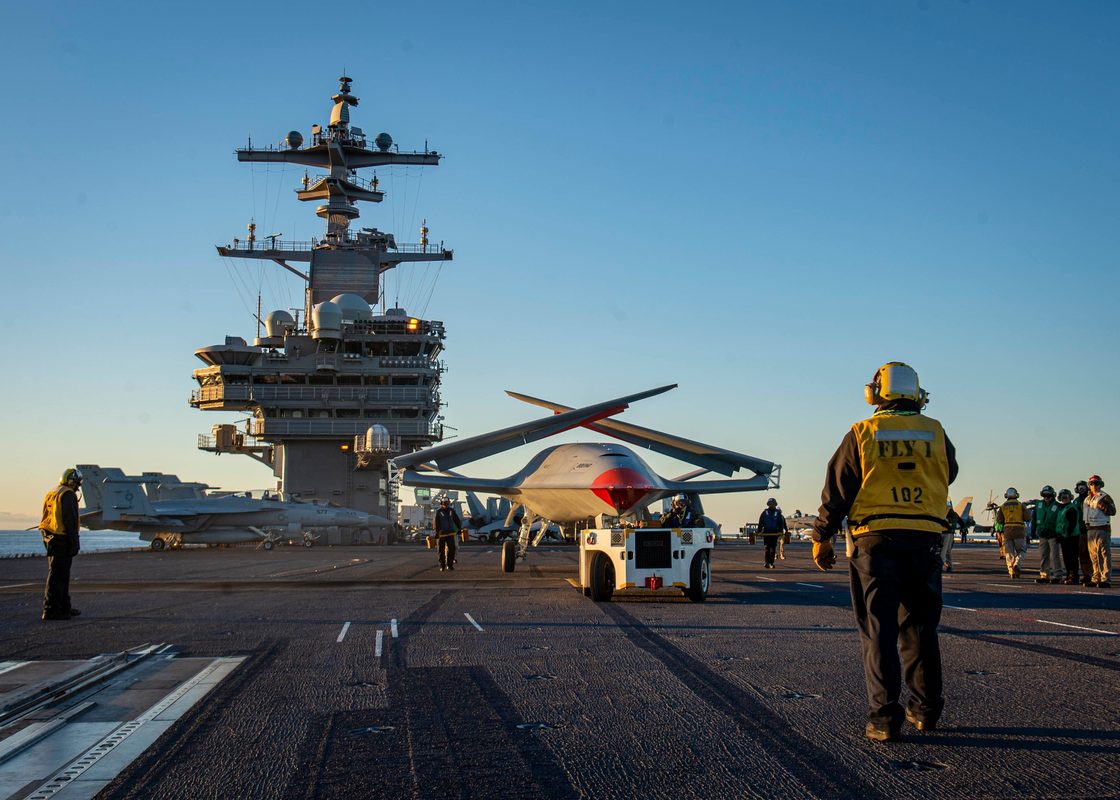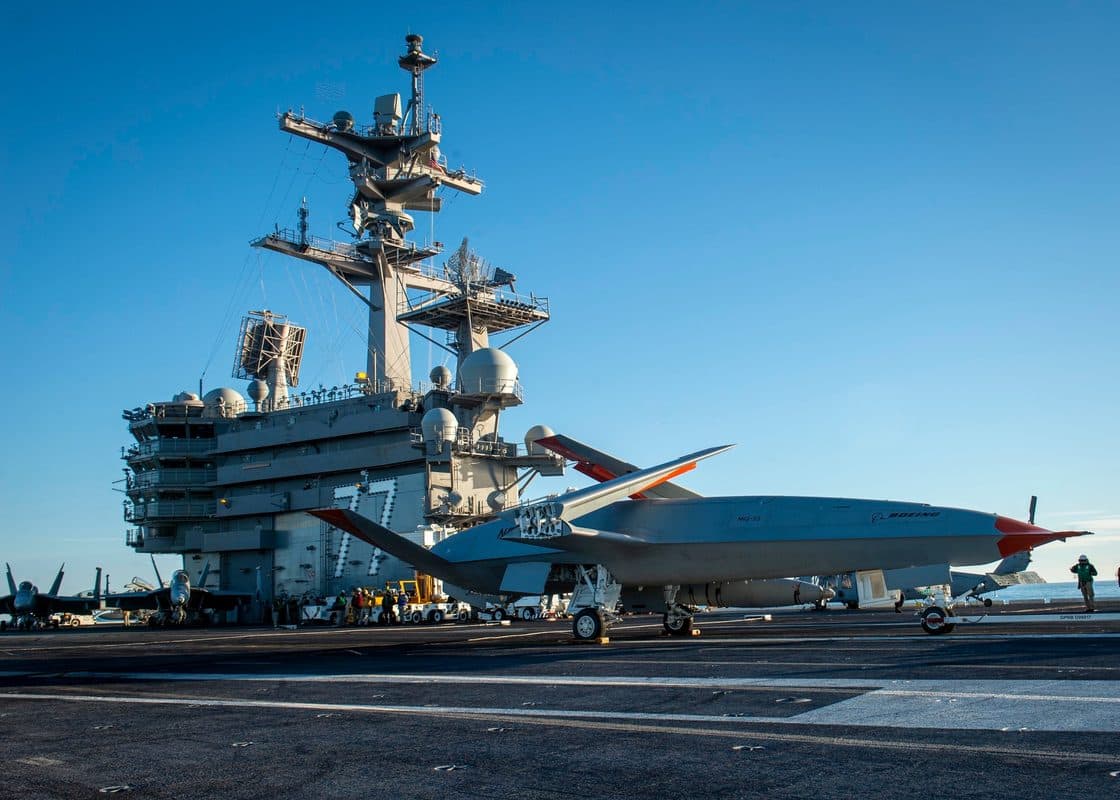

The Navy's most important drone will never fire a missile, drop a bomb, or conduct a strike mission. It carries gas. The MQ-25A Stingray is a carrier-based unmanned tanker aircraft, and it might be the most strategically significant drone program in the Department of Defense, precisely because it solves a problem so mundane that most people don't know it exists: the carrier air wing is hemorrhaging combat sorties to refueling duty.
The Problem No One Talks About
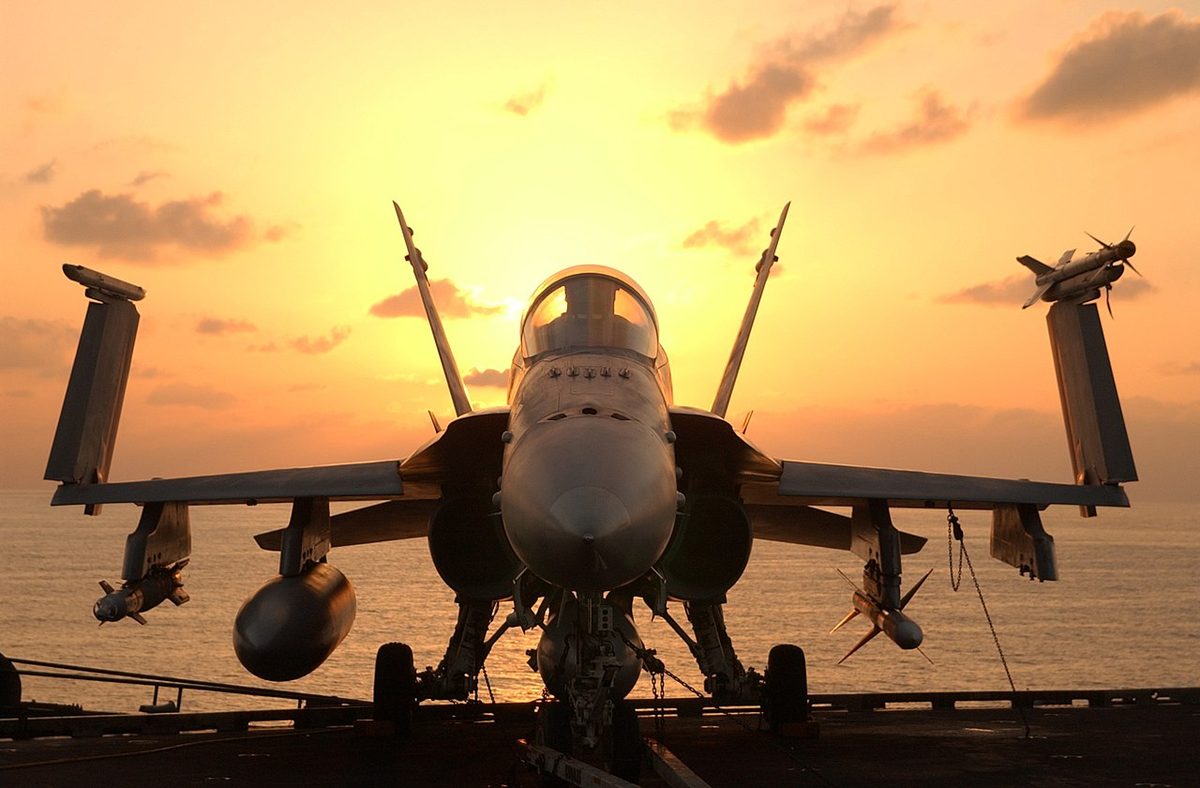
Here is a fact that should alarm anyone who thinks about naval aviation: on a typical carrier deployment, 20-30% of F/A-18 Super Hornet sorties are dedicated to aerial refueling, not combat. The Navy calls this "organic tanking" or "buddy tanking." A Super Hornet carries a refueling pod under its wing, takes off loaded with fuel, flies to a designated point, and orbits there while other aircraft plug in and top off their tanks. The tanker Hornet then returns to the carrier, having accomplished nothing except moving fuel from one airplane to another.
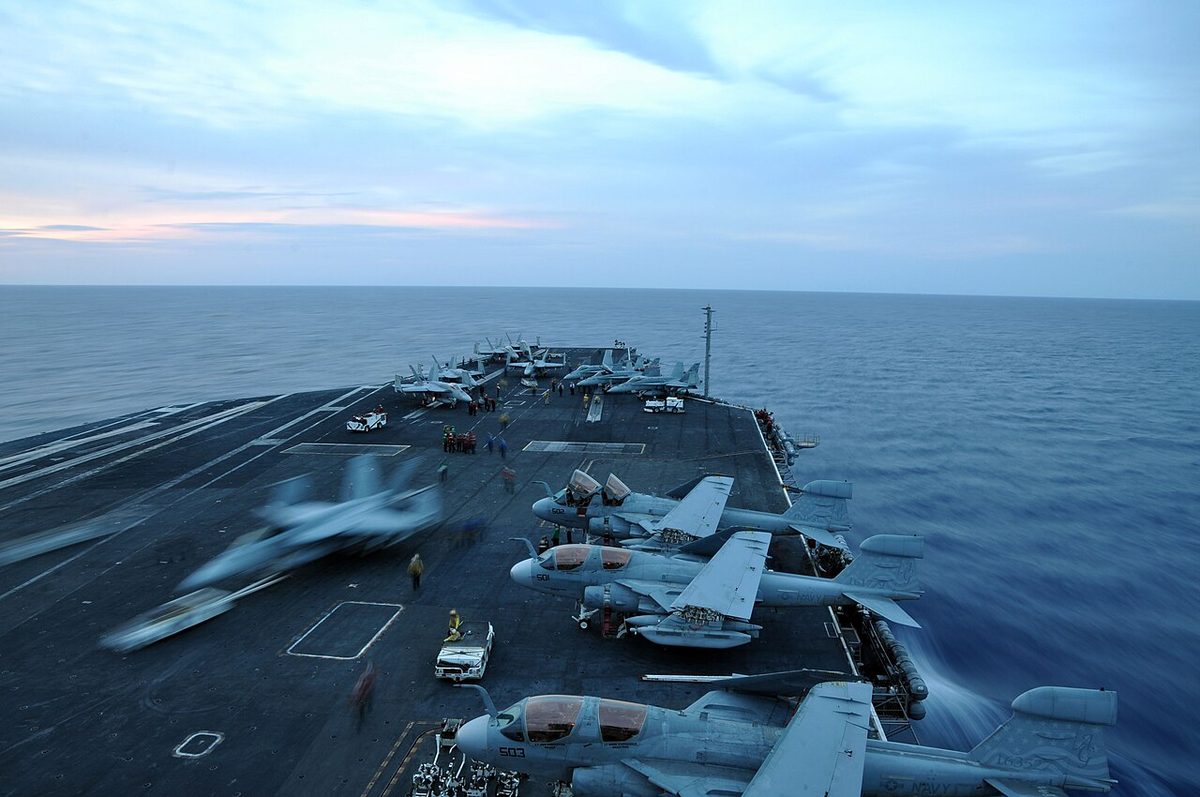
This is spectacularly wasteful. An F/A-18E/F Super Hornet costs approximately $70 million. Its flight hour cost is roughly $30,000. Every hour a Super Hornet spends tanking is an hour it isn't available for strike, air superiority, electronic warfare, or reconnaissance. And because carrier air wings have a finite number of aircraft (typically 44 strike fighters), dedicating a quarter of them to gas-station duty means the wing's actual combat power is 25-30% less than its aircraft count suggests.
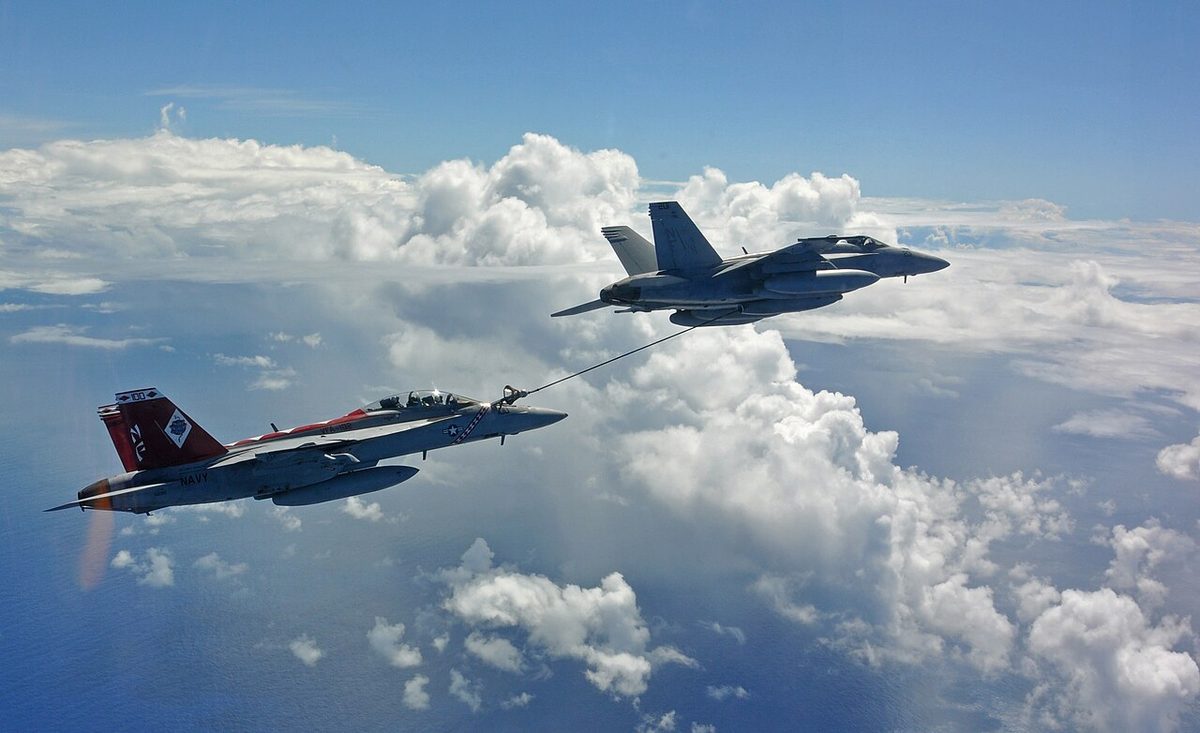
The problem gets worse at range. The Super Hornet's combat radius is approximately 450 nautical miles. Against a peer adversary with anti-ship cruise missiles that can reach 500+ nautical miles, the carrier must stay farther from the threat than its fighters can effectively reach without refueling. The math is brutal: to strike a target 700 nautical miles away, you need tankers. To provide tankers, you sacrifice combat sorties. The deeper the carrier operates from the threat, the more sorties you burn on tanking, and the fewer fighters you have available for the actual mission.