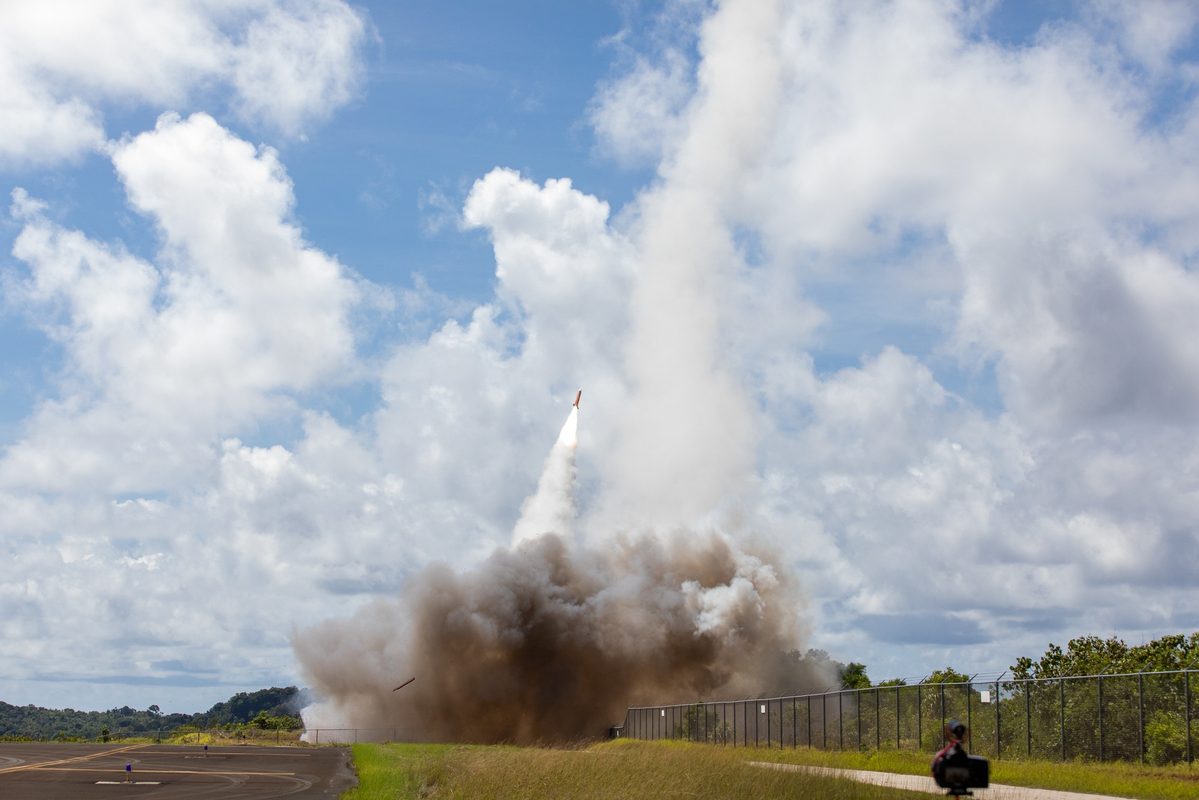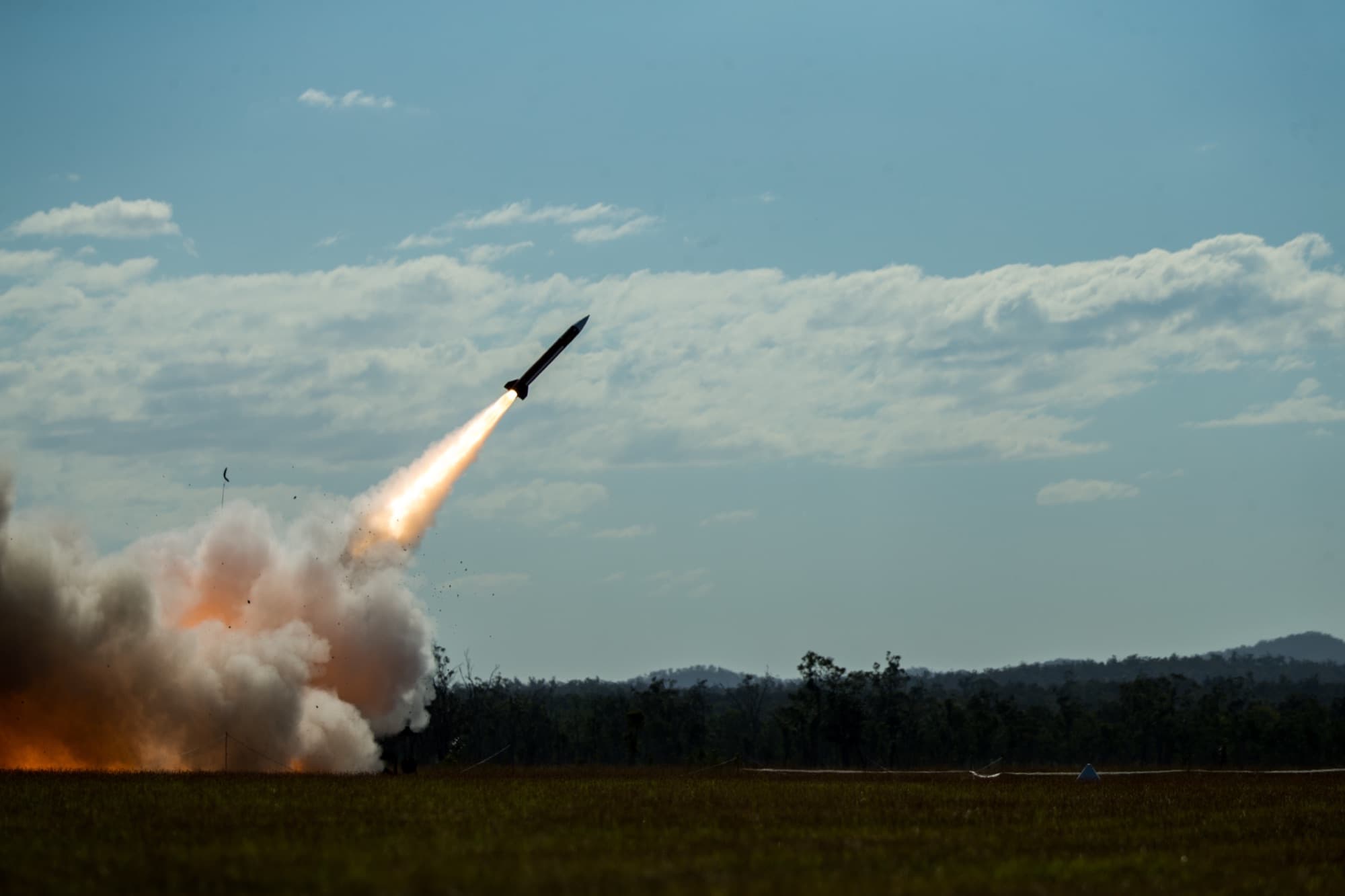

The MIM-104 Patriot is the Western world's most deployed air and missile defense system. Originally developed by Raytheon in the 1970s to shoot down Soviet aircraft, the Patriot has been continuously upgraded through four decades of service, evolving from a basic anti-aircraft system into a multi-layered defense capable of intercepting cruise missiles, tactical ballistic missiles, and even manned aircraft at ranges exceeding 100 miles. Its combat record spans the Gulf War, Iraq, Saudi Arabia, and Ukraine, a track record that has made it the most sought-after air defense system on the global arms market.
What a Patriot Battery Looks Like
A Patriot battery is not a single weapon. It is a system of interconnected components that work together to detect, track, and destroy airborne threats. A standard battery consists of:
The Radar: The AN/MPQ-53 (PAC-2 configuration) or AN/MPQ-65 (PAC-3 configuration) phased array radar is the system's eyes. It is a single-face electronically scanned array that can search for targets, track them, and guide missiles to intercept, all simultaneously. The radar can track over 100 targets and engage multiple threats at once. Unlike rotating radars that sweep the sky, the phased array steers its beam electronically, switching between search, track, and missile guidance functions thousands of times per second.
The Engagement Control Station (ECS): A mobile command post where the battery commander and operators monitor the air picture, identify threats, and authorize engagements. The ECS receives data from the radar, classifies targets, and manages the engagement sequence. While the system can operate in automatic mode, detecting and engaging threats without human input, the standard operating procedure keeps a human in the loop for engagement authorization.