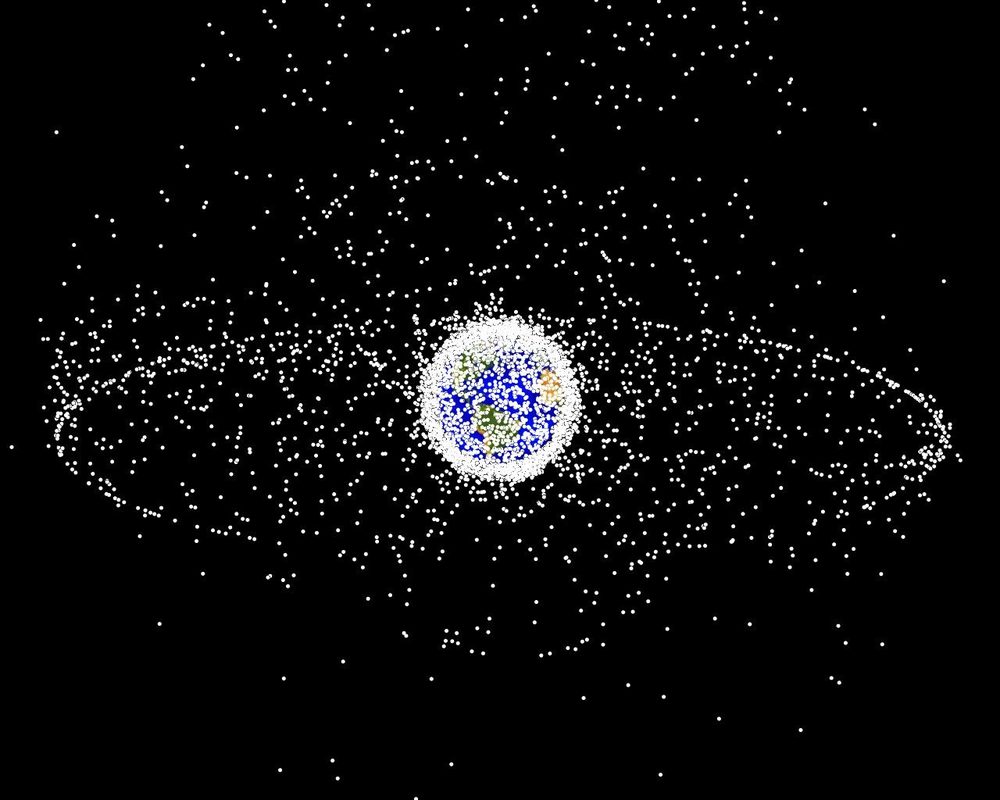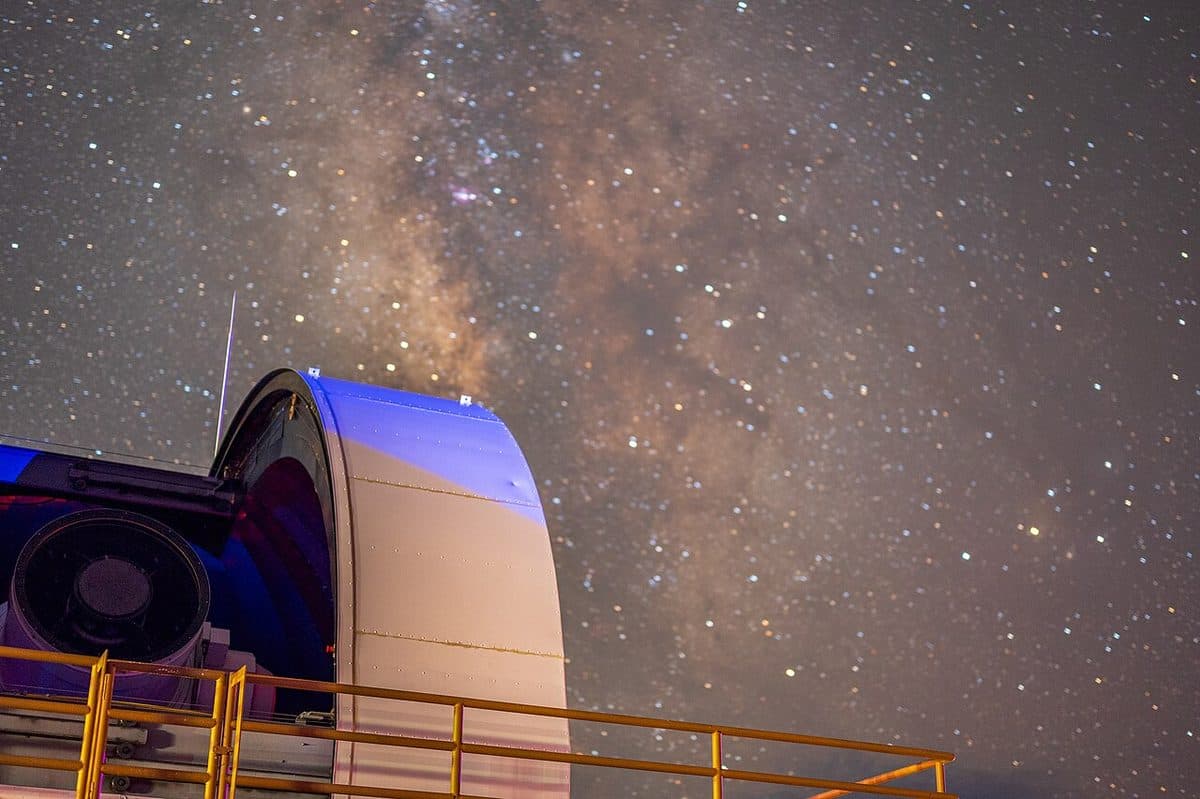

Twenty-nine thousand objects orbit Earth. The U.S. military tracks every single one. Some of them are active satellites providing communications, navigation, and intelligence. Some are dead spacecraft tumbling through the void. Some are fragments of rockets launched decades ago. And some of them are weapons, satellites maneuvered into position by adversary nations for purposes that the Pentagon monitors but doesn't publicly discuss.
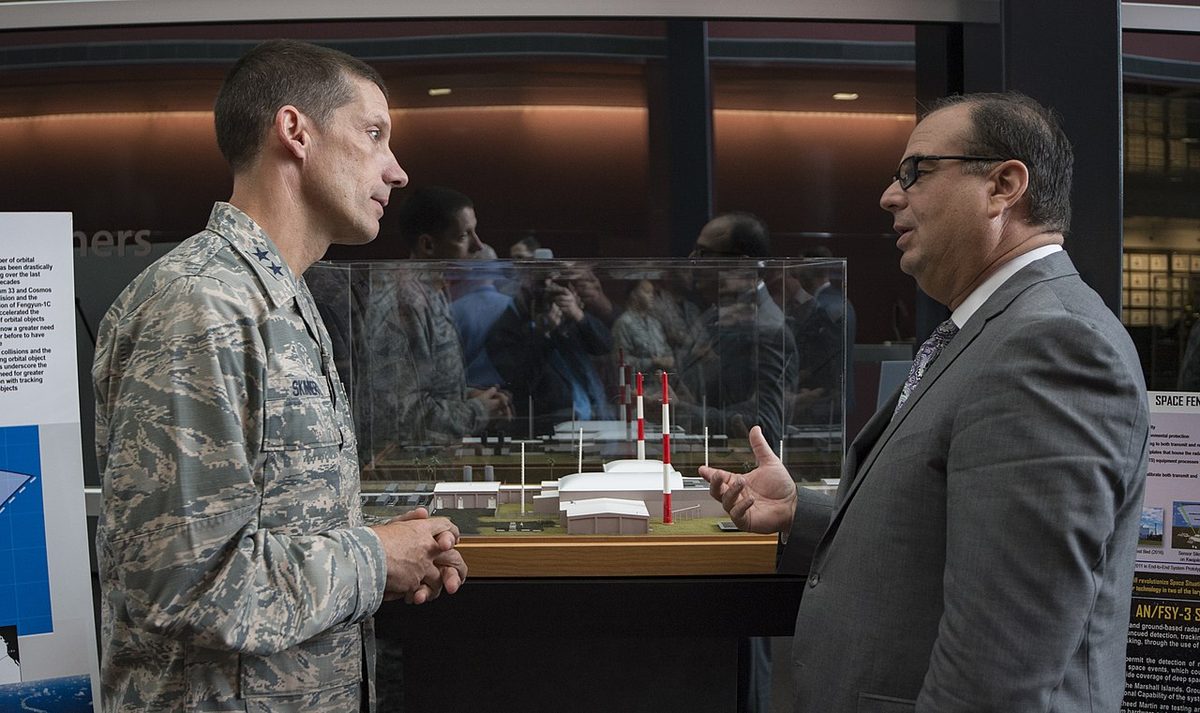
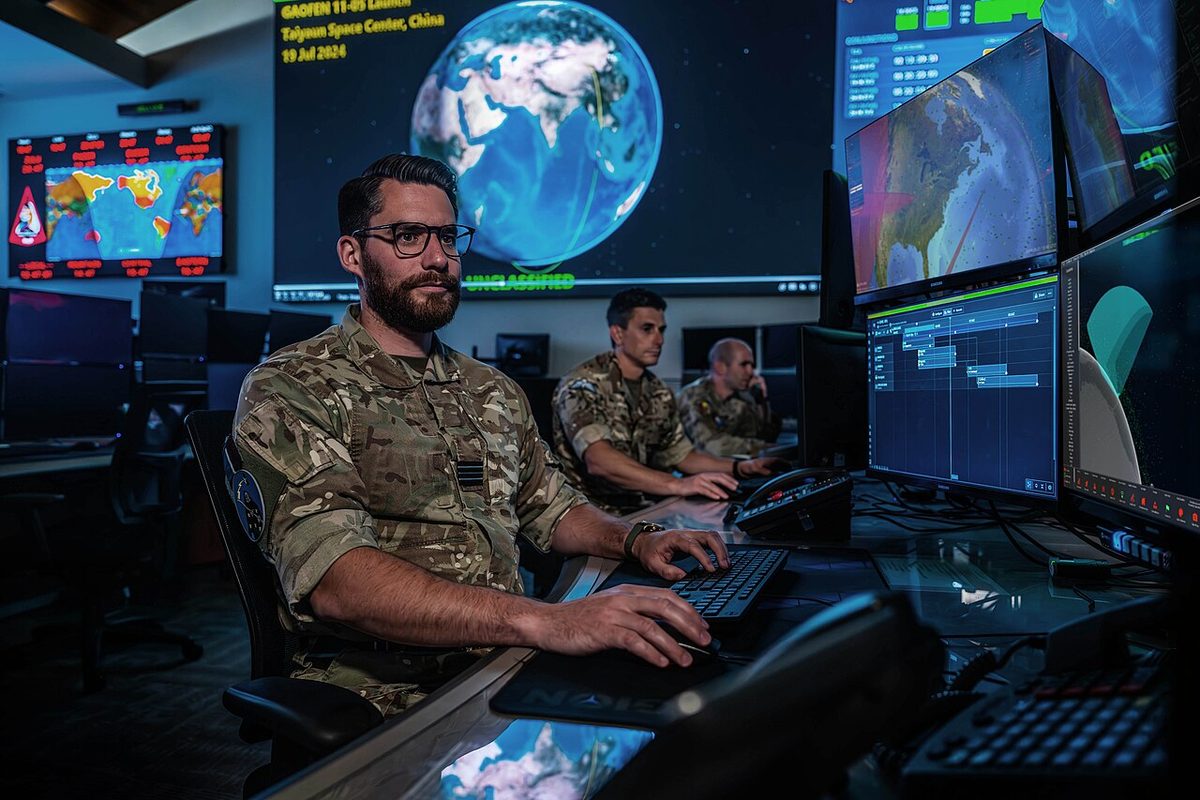
The Space Surveillance Network, operated by the U.S. Space Force, maintains a catalog of every trackable object in orbit. This catalog is updated continuously by a global network of radars, telescopes, and the most sensitive search radar ever built, Space Fence, a system on Kwajalein Atoll in the Marshall Islands that can detect objects as small as 10 centimeters at orbital speeds exceeding 17,000 miles per hour.
Space domain awareness, the military's term for knowing what's up there and what it's doing, has become one of the most critical missions in modern defense. The world's militaries depend on satellites for everything from GPS-guided weapons to secure communications to missile warning. Whoever controls space doesn't just have an advantage; they can deny their opponents the ability to fight effectively on the ground.
What's Actually Up There
Of the 29,000-plus tracked objects in orbit, only about 7,000 are active satellites. The rest is debris, spent rocket stages, dead satellites, fragments from collisions and deliberate destructions, even tools dropped by astronauts during spacewalks. A fleck of paint traveling at orbital velocity carries the kinetic energy of a bullet. A 10-centimeter fragment hits with the force of a hand grenade.