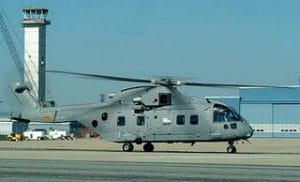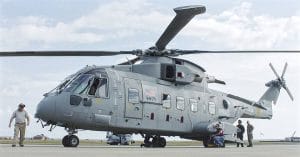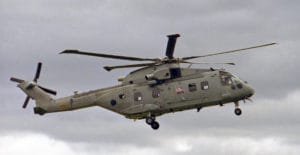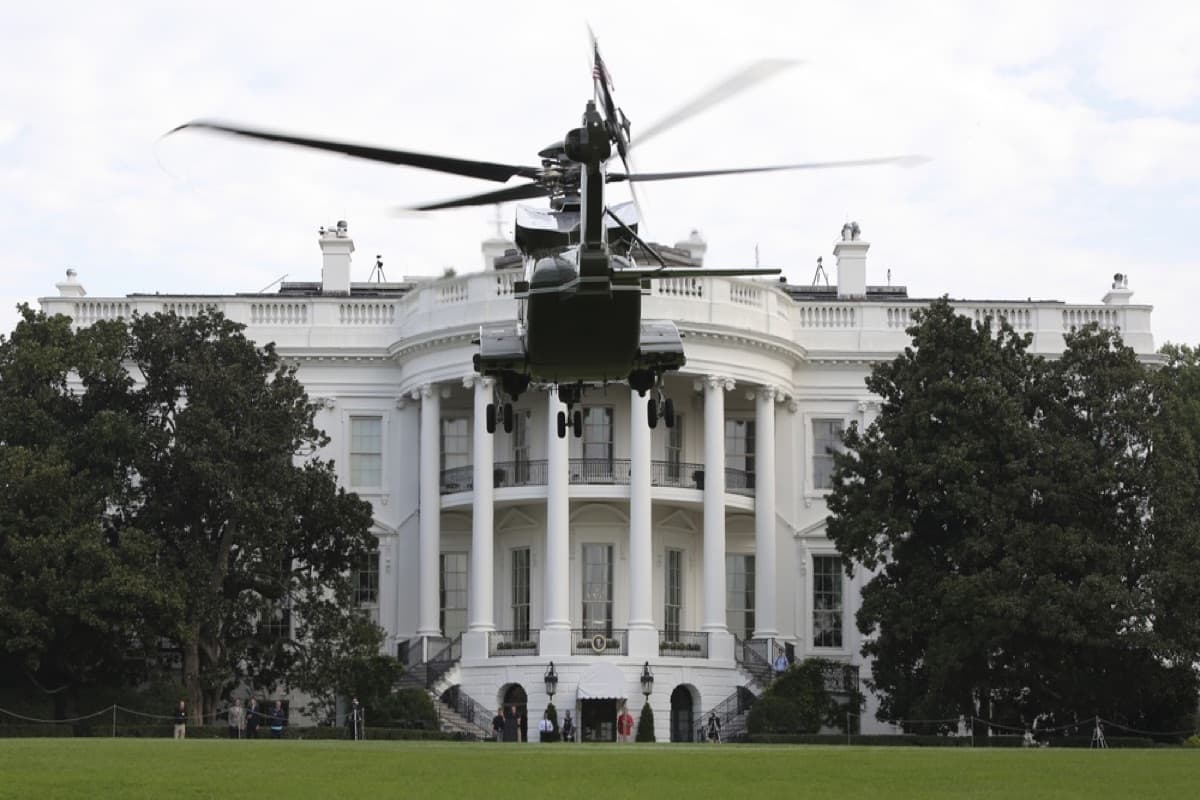

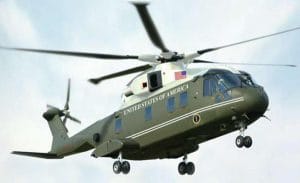
The VH-71 Kestrel is a medium transport helicopter used most famously by the United States Marine Corps for their presidential transport aircraft fleet. The United States Navy contracted out to Lockheed-Martin to build a secure medium rotary platform back in 2003 to replace an aging fleet of Marine Corps VH-3Ds and VH-60Ns.
Cost:
At a pricepoint of $13 billion dollars (USD), the contract was placed and the first VH-71 Kestrel made its debut in 2007. Unfortunately, the cost for existing parts, maintenance, and continued evolution of the airframe was so high that in 2009, the President of the United States requested to cancel or delay the project. The United States Navy only received nine VH-71 Kestrels and cancelled their request for further units as the budget climbed above an estimated $4.4 billion.

One of the major contentions with this rotary aircraft had nothing to do with performance. In fact, it had an extremely short but successful run as a medium duty transport helicopter. Instead, the biggest obstacle was mounting costs related to developing and maintaining it. This caused a big case of “sticker shock” for government officials and military as the price tag to continue the program escalated rapidly. The other big problem? The current fleet of VH-3Ds and VH-60Ns were set to be retired a long time ago. They were well past their lifecycle and another medium duty aircraft needed to take their place. The pricey yet effective Kestrel was the only military helicopter ready to do so.
Proposed Use:
The primary role for this helicopter is to transport the President of the United States, the Vice President, heads of state and dignitaries as required by the contract. It is a multi-engine aircraft that has two pilots and multiple communication systems to allow the President to have an “oval office in the sky”. This was considered to be essential both for the President’s safety but also for the continuation of governance even during rotary platform transport.