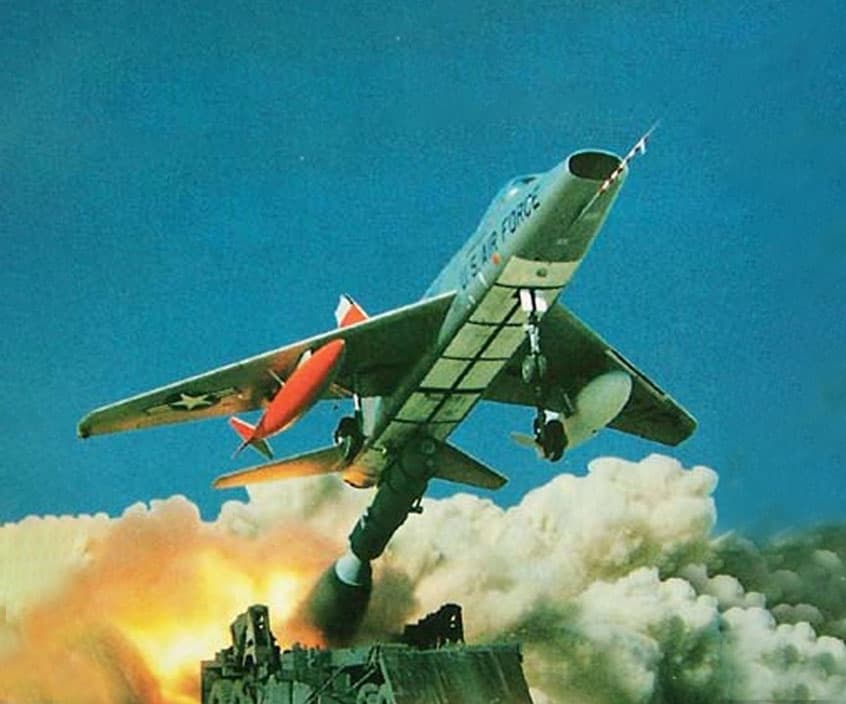

These weapons were built to fight a war that everyone prayed would never happen. Some of them were deployed for decades, maintained at readiness levels that allowed launch within minutes, and manned by crews who trained relentlessly for a mission they hoped never to execute. Others were developed, tested, and quietly retired when the implications of actually using them became too disturbing even for Cold War planners. A few are still on alert today. Here are ten Cold War weapons that were designed exclusively for World War III, and the logic, however terrifying, behind each one.
1. LGM-30G Minuteman III ICBM
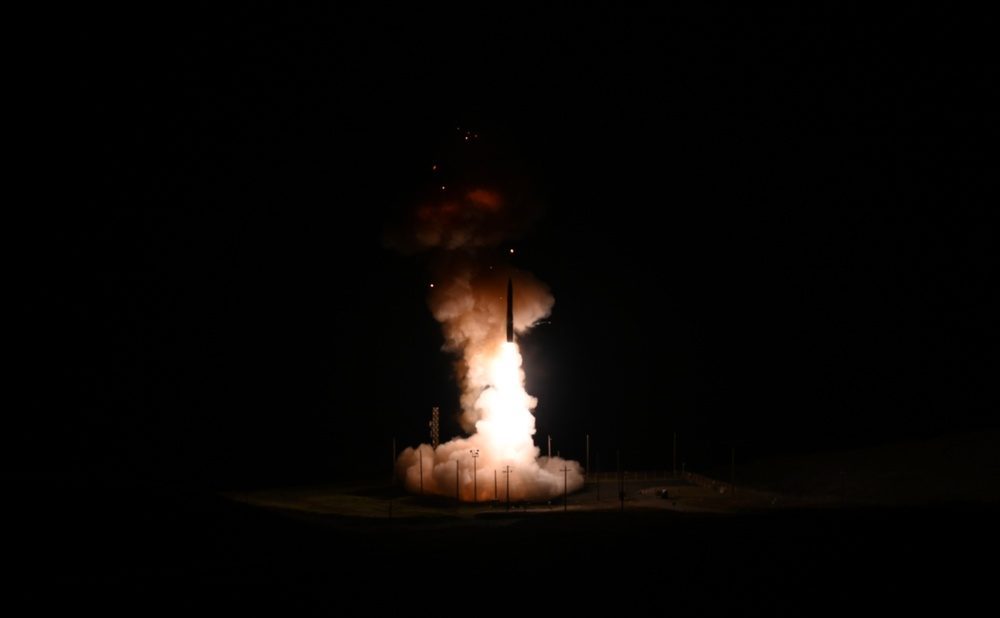
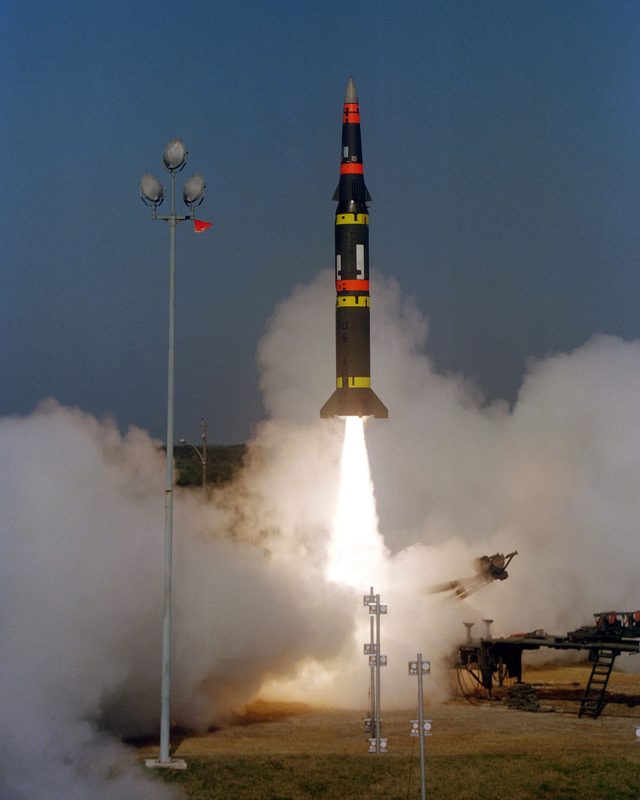
The Minuteman III entered service in 1970 and is still on alert more than 55 years later. Approximately 400 missiles sit in hardened silos scattered across Montana, North Dakota, and Wyoming, each carrying a single nuclear warhead (reduced from three under arms control treaties) with a range exceeding 8,000 miles. The weapon's name reflects its defining characteristic: a solid-fuel rocket that can be launched within minutes of receiving an order, compared to the hours required to fuel liquid-propellant missiles.
The Minuteman III was designed for a single scenario: absorbing a Soviet first strike and retaliating before the incoming warheads arrive. The silos are hardened to withstand nearby nuclear detonations, and the launch crews, stationed in underground capsules, practice the launch sequence to the point where every step is muscle memory. The weapon has never been fired in anger. It exists so that it never has to be. The Air Force is developing its replacement, the LGM-35A Sentinel, but the Minuteman III will remain on alert until the transition is complete, potentially into the 2030s.
2. B-52 Stratofortress (Nuclear Alert Role)
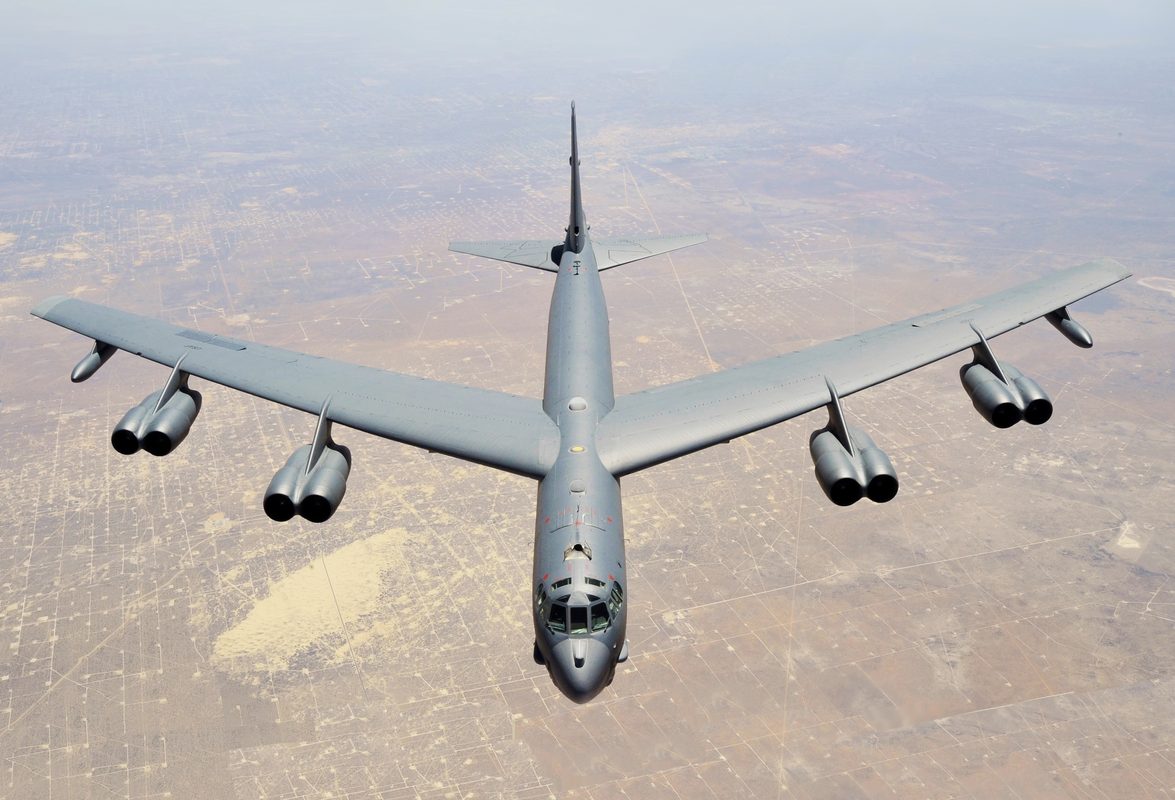
The B-52 has fought in every American war since Vietnam, but the mission it was built for was nuclear. From 1961 to 1991, Strategic Air Command maintained B-52s on continuous airborne alert under Operation Chrome Dome, with bombers loaded with nuclear weapons flying predetermined routes toward the Soviet Union 24 hours a day. Even after airborne alert ended (following two crashes that scattered nuclear weapons across Greenland and Spain), ground alert continued: B-52s sat on dedicated pads at the end of runways, crews sleeping in adjacent buildings, ready to be airborne within 15 minutes of a warning.