#8: Area 51: The Most Famous Secret Base on Earth
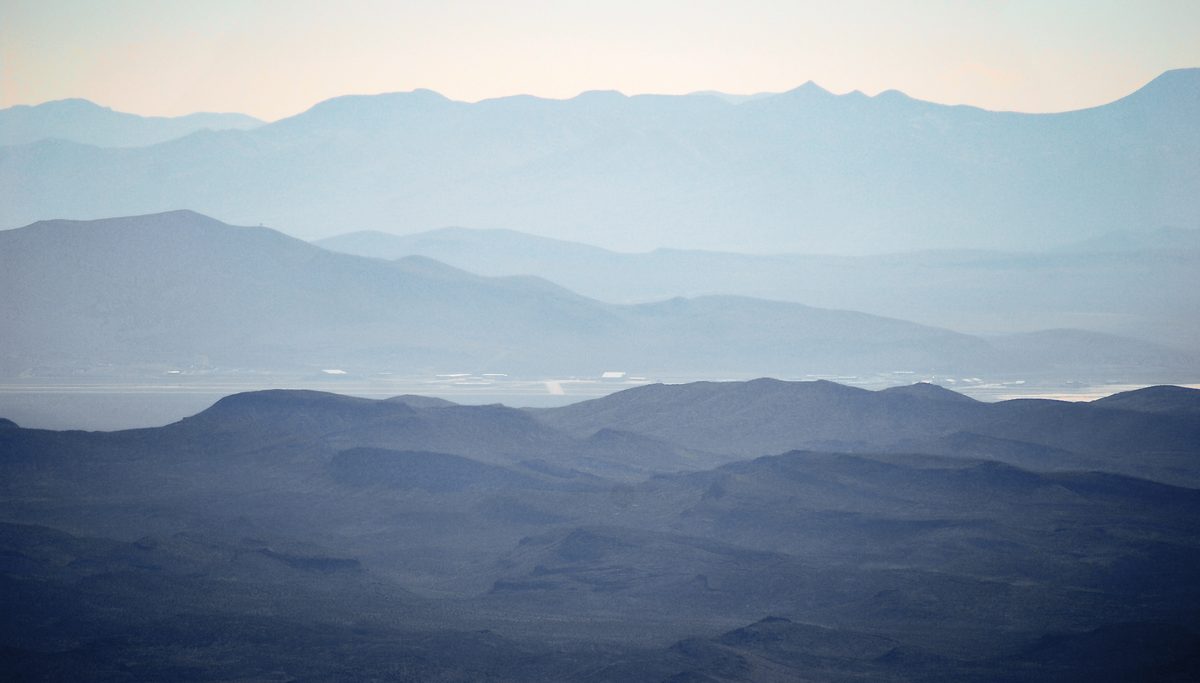
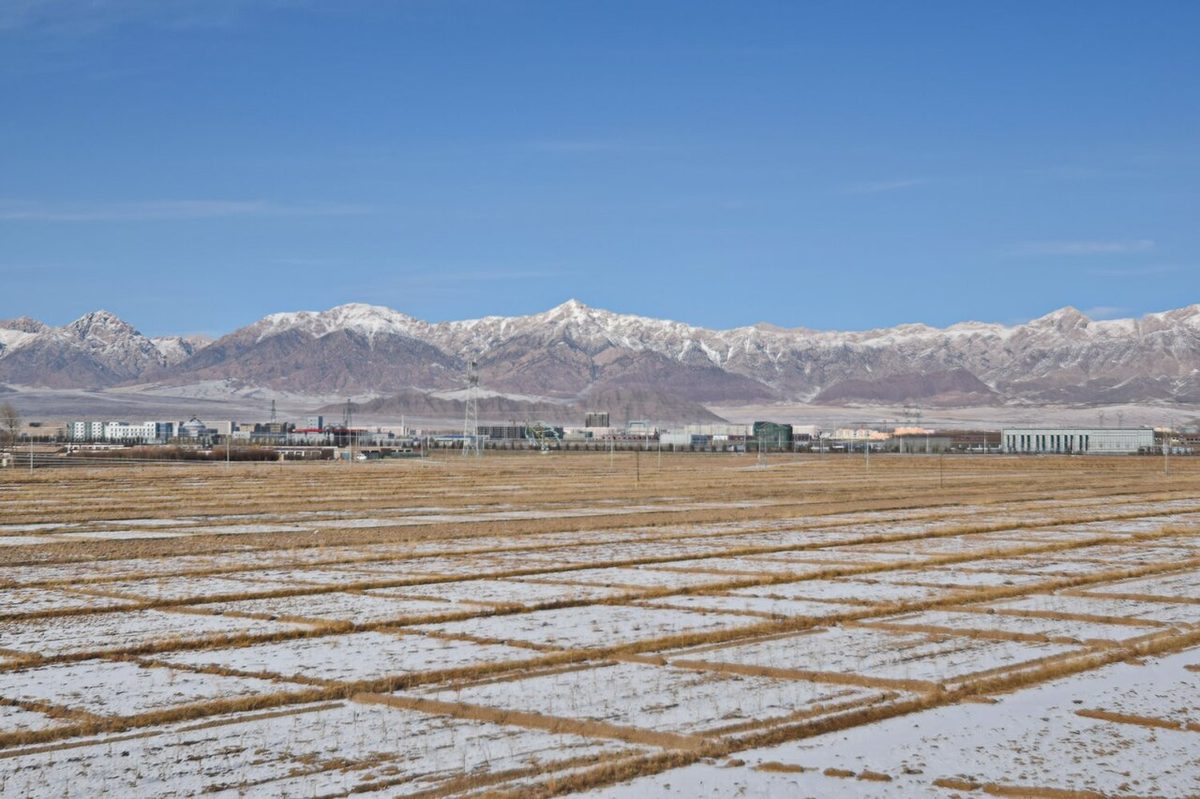
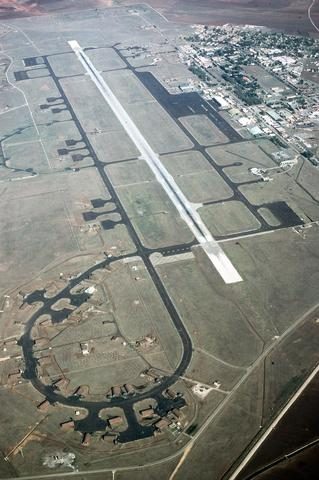
Officially known as Groom Lake or Homey Airport, Area 51 occupies a dry lake bed in the Nevada Test and Training Range surrounded by 4,742 square miles of restricted military airspace, the largest block of controlled airspace in the United States. The base has been the testing ground for America's most classified aircraft since the U-2 spy plane in 1955, followed by the SR-71 Blackbird, F-117 Nighthawk, and programs that remain classified decades later.
Area 51's security perimeter extends miles beyond the actual base, monitored by ground sensors, cameras, and private security contractors who observe anyone approaching on public land. Armed guards in unmarked vehicles patrol the boundary, and signs warn that "photography is prohibited" and "use of deadly force is authorized." The restricted airspace is enforced by fighter aircraft from nearby Nellis AFB. What makes Area 51 uniquely fortified isn't walls or weapons: it's the layered combination of extreme remoteness, vast restricted zones, and the legal authority to shoot anyone who gets too close. The base doesn't need to survive an attack; its purpose is to ensure no one gets close enough to see what's being tested, and at that mission, it has succeeded for seven decades.
#7: Fort Knox: The $350 Billion Vault Guarded by 30,000 Soldiers
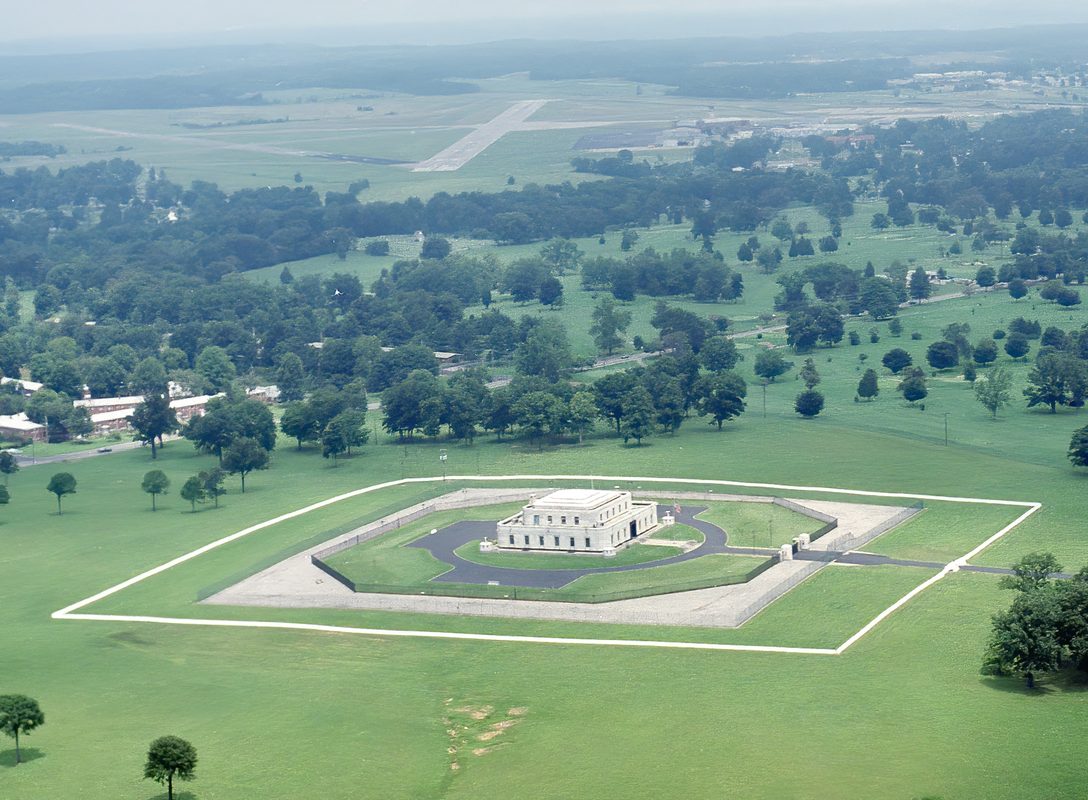
The United States Bullion Depository at Fort Knox holds approximately 4,580 metric tons of gold reserves, roughly half of America's total gold holdings, valued at over $350 billion. The vault itself is constructed from granite, steel, and concrete, with a 22-ton blast door sealed by a lock whose combination is distributed among multiple staff members so that no single person can open it.
But the vault is only part of the story. The Bullion Depository sits within Fort Knox proper, a 109,000-acre active Army installation housing over 30,000 military personnel. Any force attempting to reach the vault would first need to fight through an entire Army base equipped with tanks, helicopters, and infantry. The vault building itself features layers of physical security including fences, cameras, armed guards, alarms, mine fields, and reinforced structures designed to resist aerial bombing. During World War II, Fort Knox stored the original U.S. Constitution, Declaration of Independence, Magna Carta, and the crown jewels of several European nations. No one has ever attempted to rob Fort Knox, and given its defenses, no serious plan to do so has ever been considered credible.
#6: The Kremlin & Metro-2: Moscow's Medieval Fortress Sitting Atop a Secret Nuclear Subway
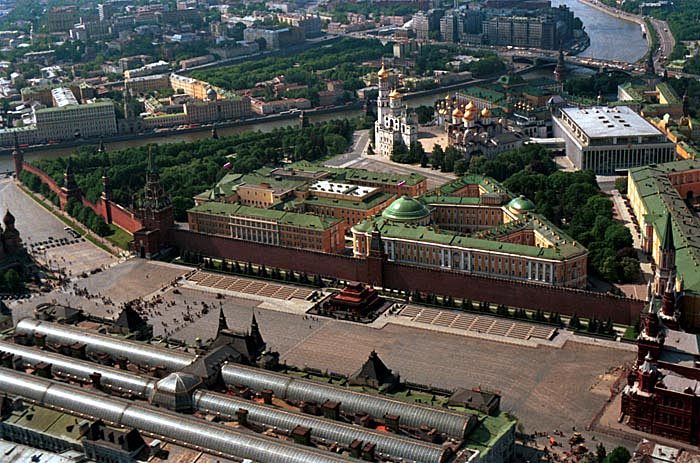
The Moscow Kremlin's 2.2-kilometer walls have protected Russia's rulers since the 15th century, but beneath them lies something far more modern: Metro-2, a classified underground transit system reportedly connecting the Kremlin to key government facilities, military command centers, and an underground city designed to shelter Russia's leadership during nuclear war. The Kremlin itself houses the Russian president, the Security Council, and the nuclear command authority.
Metro-2's existence has been confirmed by multiple defectors and former officials, though its exact layout remains classified. The system reportedly runs deeper than Moscow's public metro, some estimates suggest 50-200 meters below the surface, with blast-resistant stations, air filtration, and provisions for extended occupancy. The Kremlin's surface defenses include S-400 air defense coverage over Moscow, Federal Protective Service guards, and a security perimeter that turns Red Square into a controlled zone at the first sign of trouble. The combination of medieval walls, modern security, and a classified underground network makes the Kremlin compound one of the most thoroughly defended command centers in the world. A fortress that has been continuously fortified for over 500 years.
#5: Mount Weather: FEMA's Underground Government Ready to Replace Washington
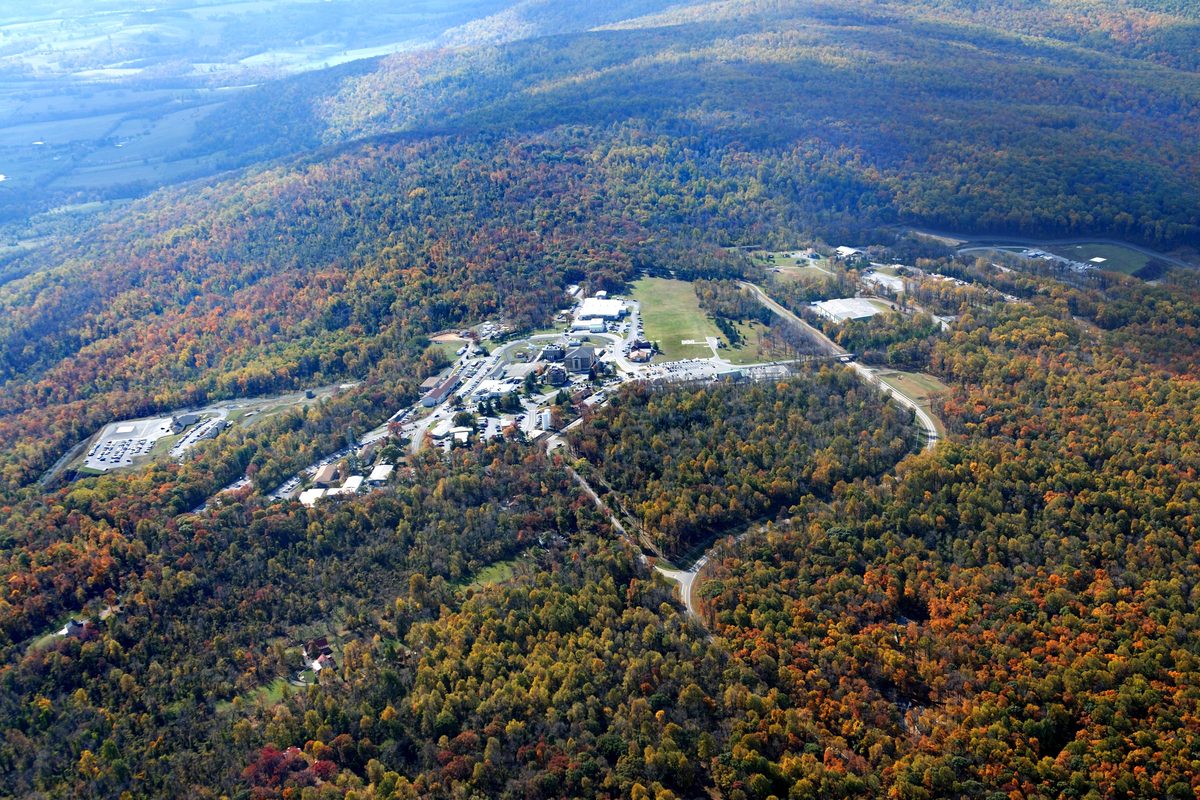
Located 77 kilometers west of Washington, D.C., in the Blue Ridge Mountains of Virginia, Mount Weather houses a complete backup government facility capable of running the United States if Washington is destroyed. The underground complex, officially the "High Point Special Facility," contains replicas of federal department operations centers, a communications hub, and living quarters for hundreds of senior government officials.
The facility was activated on September 11, 2001, when members of Congress and senior officials were evacuated there by helicopter. Mount Weather includes a massive underground cavern with multi-story buildings, a hospital, a crematorium, dormitories, a cafeteria, and its own water and power systems. The surface campus is equally significant: it houses FEMA's operations center and serves as the coordination point for federal disaster response. The site is defended by federal police, physical barriers, and restricted airspace. The full extent of Mount Weather's underground facilities remains classified, but its purpose is clear: if a nuclear strike or catastrophic attack eliminates Washington, the American government is designed to continue operating from inside a Virginia mountain as if nothing happened.
#4: Raven Rock Mountain Complex: The Pentagon's Underground Twin
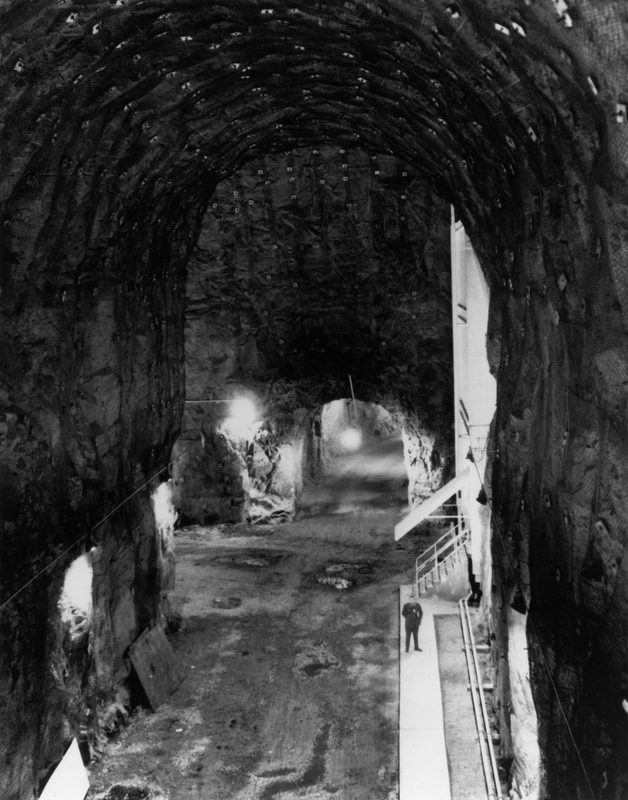
Known as "Site R" or the "Underground Pentagon," Raven Rock Mountain Complex near Blue Ridge Summit, Pennsylvania, contains a complete backup military command center buried inside a mountain of greenstone granite. Five three-story buildings are constructed within the excavated cavern, each mounted on giant springs designed to absorb nuclear blast shock waves, housing over 5,000 workstations that mirror the Pentagon's command structure.
Raven Rock was built in the early 1950s and has been continuously upgraded for over 70 years. The facility can generate its own power, purify its own water, and sustain thousands of personnel for extended periods. Multiple blast-proof tunnel entrances provide access, each sealed by massive steel doors. The complex houses communications equipment connecting to every major military installation worldwide, and it serves as the alternate national military command center, meaning it can direct all U.S. military operations if the Pentagon is destroyed. On September 11, 2001, Vice President Cheney, Secretary of Defense Rumsfeld, and other senior officials used Raven Rock as a command post. Photography of the facility has been illegal since 2007, and even its general location was classified for decades.
#3: Kosvinsky Kamen: Russia's Dead Hand Mountain
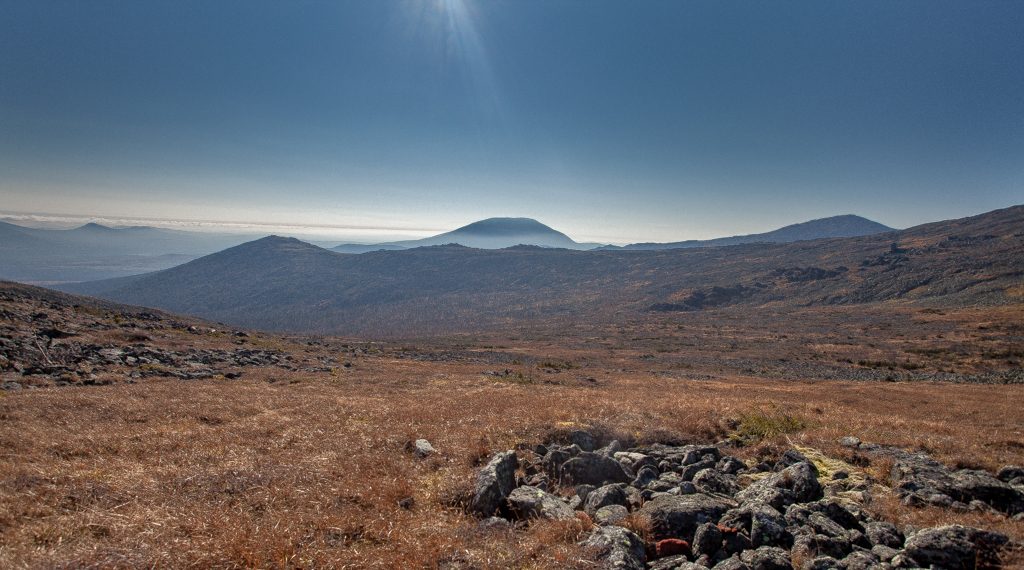
Buried deep inside a granite mountain in the northern Urals, Kosvinsky Kamen is believed to house Russia's most survivable nuclear command center, the facility from which the order to launch a retaliatory nuclear strike would be transmitted if Moscow and all other command authorities were destroyed. The mountain's estimated 300 meters of solid granite provides natural protection equivalent to the hardest bunker construction ever attempted.
Western intelligence has monitored construction activity at Kosvinsky Kamen since the 1980s, observing massive excavation projects that suggest a facility far larger than any conventional command bunker. The site is believed to house transmitters for Russia's Perimeter system, the so-called "Dead Hand," an automated system designed to launch Russia's nuclear arsenal even if every senior military and political leader is killed. The logic is terrifyingly sound: if potential enemies know that Russian leadership can always order retaliation from inside an invulnerable mountain, the incentive for a first strike disappears. Kosvinsky Kamen doesn't need to win a nuclear war. It just needs to guarantee that the aggressor dies too, and 300 meters of Ural granite makes that guarantee credible.
#2: Mount Yamantau: Russia's Biggest Secret Under the Biggest Mountain in the Southern Urals
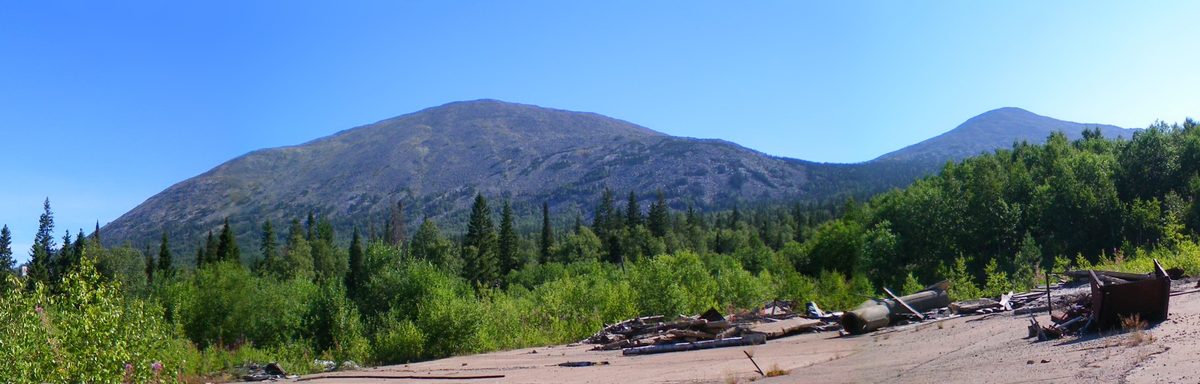
Mount Yamantau rises 1,640 meters in the Bashkortostan Republic, the highest peak in the Southern Urals, and beneath it, U.S. intelligence has detected one of the largest underground construction projects in Russian history. Satellite imagery from the 1990s onward revealed massive excavation operations, railcar loads of concrete and steel being transported to the site, and the construction of a closed military city (Mezhgorye) to house the workers. Russia has given contradictory explanations: a mining site, a food storage facility, a bunker for treasures, none convincing.
The most credible Western assessments suggest Yamantau houses a deep underground command complex designed to shelter Russia's senior leadership and strategic forces command structure during nuclear war. The mountain's massive size provides natural hardening that no amount of engineering could replicate artificially, even the largest nuclear warheads cannot penetrate hundreds of meters of solid rock. The closed city of Mezhgorye, population approximately 17,000, exists solely to support the facility and is off-limits to unauthorized visitors. Russia has spent billions of dollars over three decades on whatever is inside Mount Yamantau, and the secrecy surrounding it is itself a message: what's worth hiding this deeply is worth fearing.
#1: Cheyenne Mountain: The Granite Fortress That Can Survive a 30-Megaton Nuclear Strike
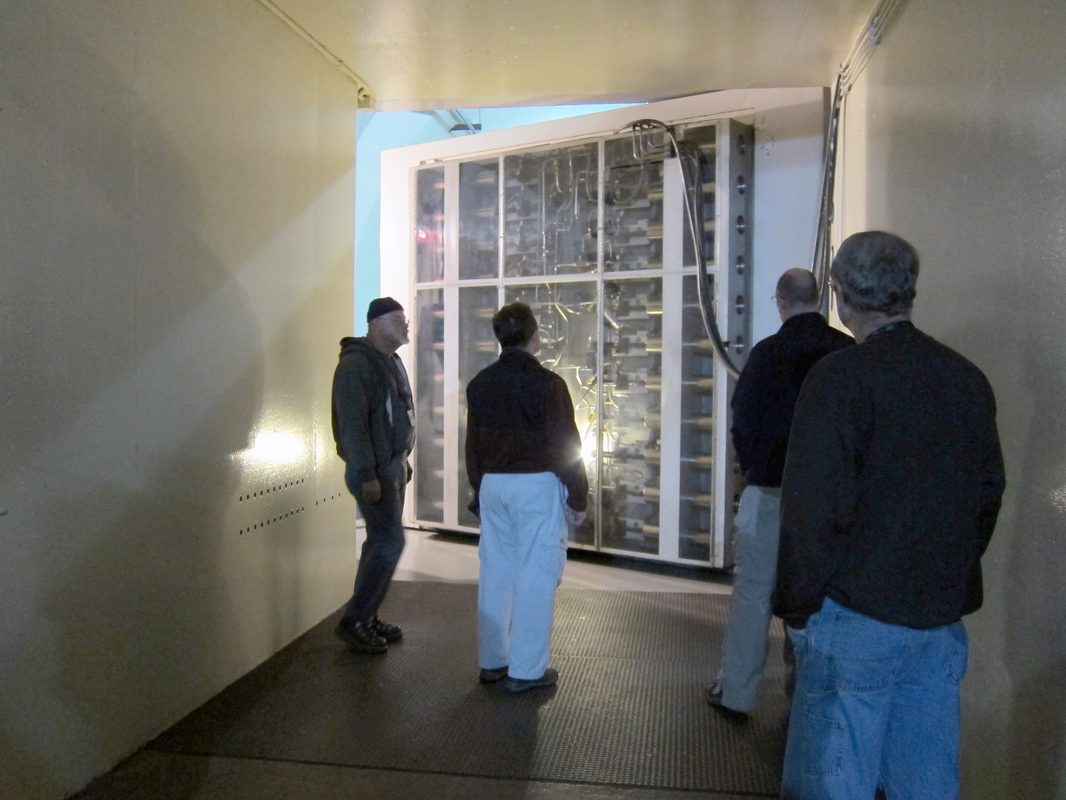
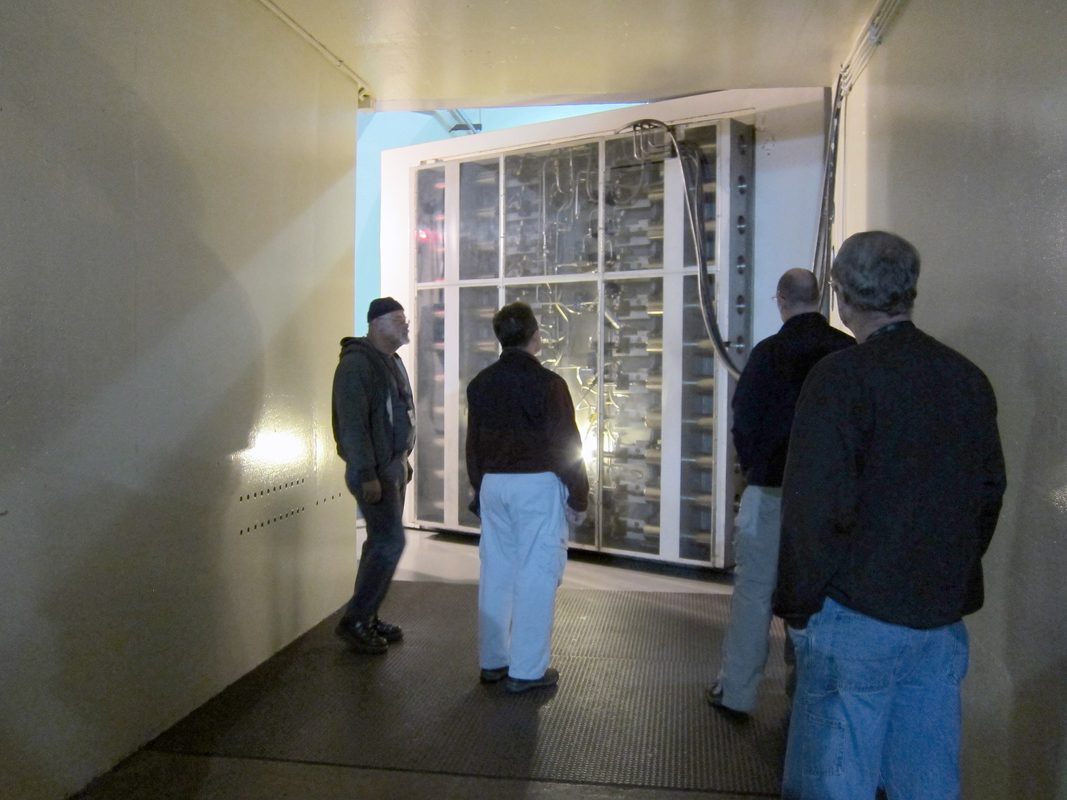
Buried beneath 610 meters of granite inside Cheyenne Mountain near Colorado Springs, the Cheyenne Mountain Complex was built during the Cold War as NORAD's primary command center. The facility that would detect, track, and coordinate the American response to a Soviet nuclear attack. The complex consists of 15 buildings mounted on 1,319 giant steel springs designed to absorb the shock of a nearby nuclear detonation, all housed within an excavated cavern large enough to contain a small city.
The facility's 25-ton blast doors, each 3.5 feet thick, can seal the complex in seconds, creating a self-contained environment with its own power generation, water supply, and air filtration capable of removing nuclear, chemical, and biological contaminants. The complex was designed to withstand a 30-megaton nuclear weapon detonating within 2 kilometers. A level of protection that remains unmatched by any known facility on Earth. Cheyenne Mountain has been operational since 1966 and continues to function as an alternate command center for NORAD and USNORTHCOM. The mountain itself is the ultimate fortification: no human engineering can replicate the protection offered by 2,000 feet of solid Pikes Peak granite, and no weapon in any nation's arsenal can reliably penetrate it. When the stakes are civilization itself, you build your command center inside a mountain, and Cheyenne Mountain is the mountain they chose.