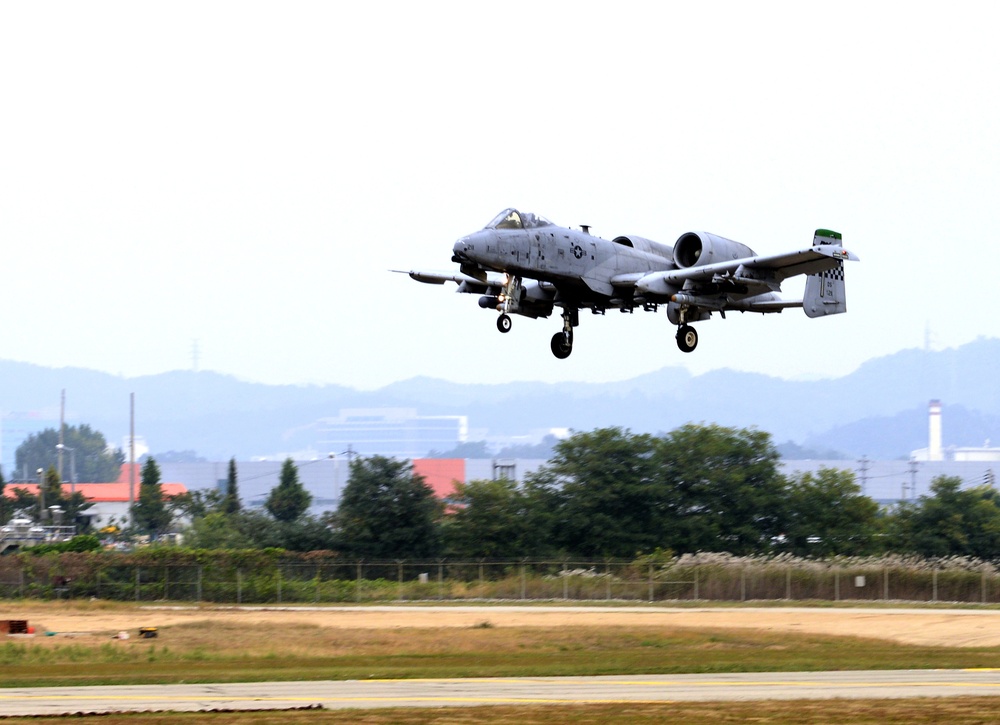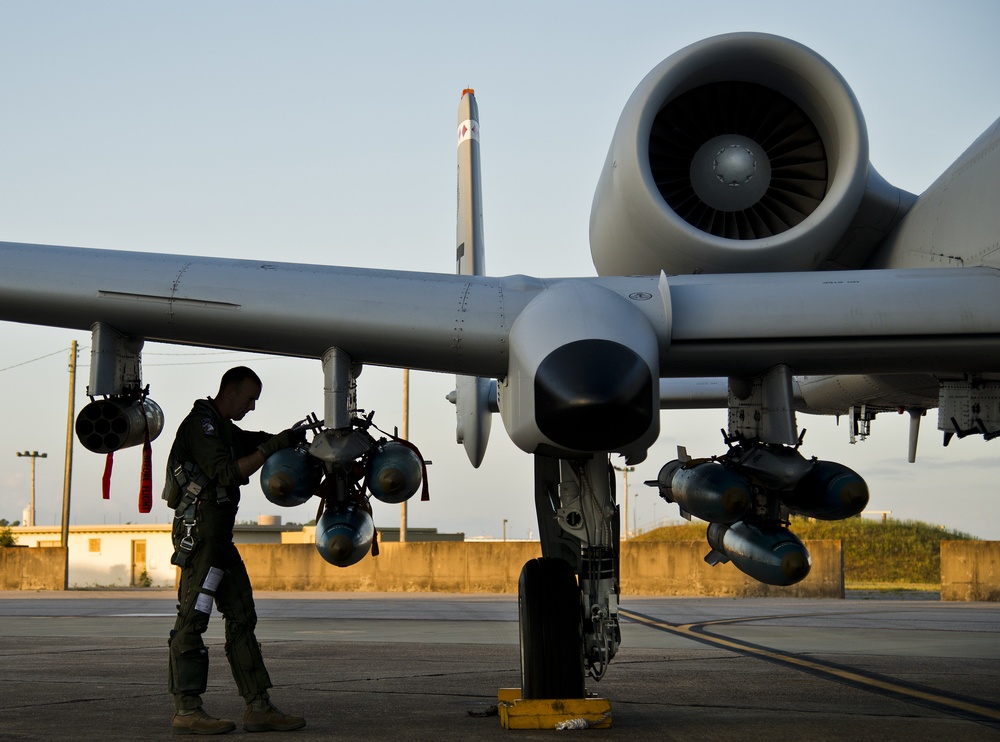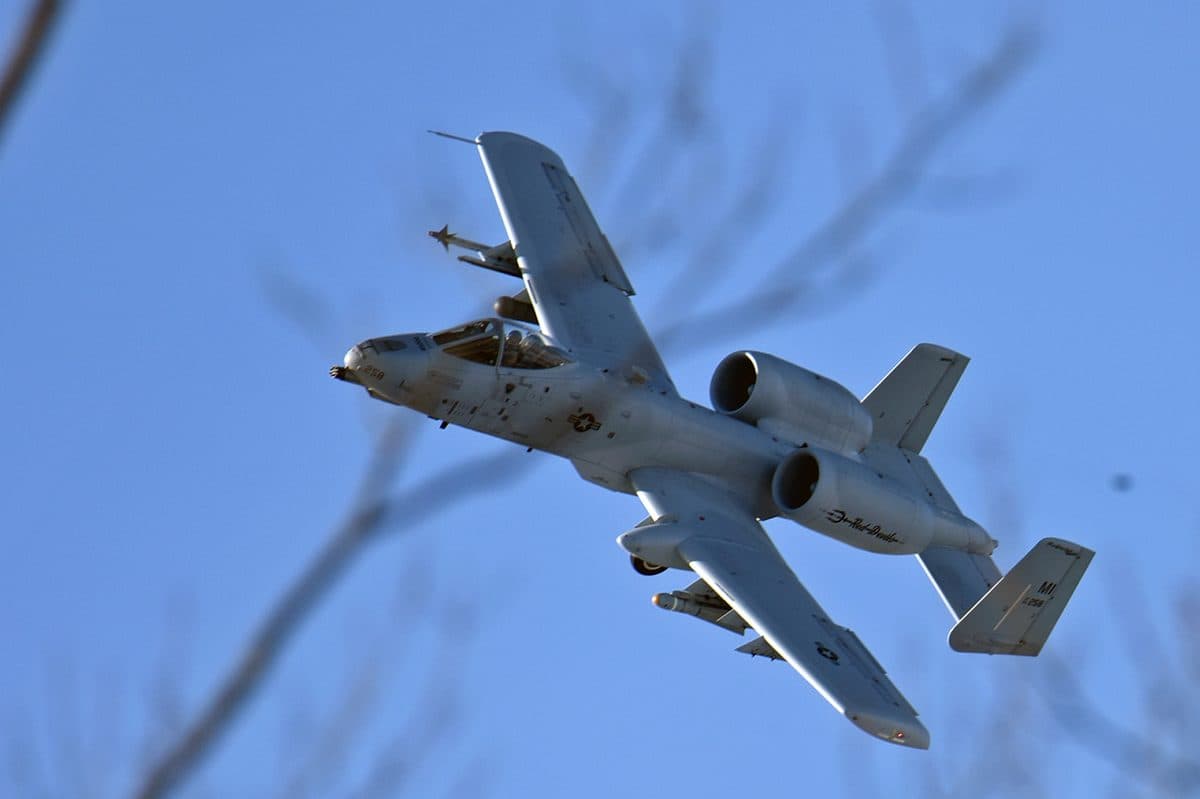

The A-10 Thunderbolt II was designed to absorb punishment and keep flying. But some of the things it has survived go well beyond what any reasonable engineer would have predicted. From battlefield damage that should have been fatal to institutional threats that nearly ended the program, the A-10 has outlasted expectations in ways both physical and political.
This is not a list of things the A-10 is theoretically capable of surviving. These are documented incidents, verified design features, and real institutional battles that the aircraft was never expected to endure. Some involve holes in wings. Others involve holes in budgets. All of them left people surprised.
1. Captain Kim Campbell's Baghdad Mission (2003)
On April 7, 2003, Captain Kim Campbell was providing close air support over Baghdad when her A-10 was hit by ground fire. The damage was severe: the hydraulic systems were destroyed, leaving the aircraft without conventional flight controls. Campbell reverted to the A-10's manual reversion system, a backup mode that allows the pilot to fly using cables and cranks rather than hydraulics. She flew the damaged aircraft for an hour and landed safely at a forward operating base. The aircraft was later repaired and returned to service. The manual reversion system existed specifically because designers assumed the hydraulics would get shot out. They were right.
2. The Titanium Bathtub
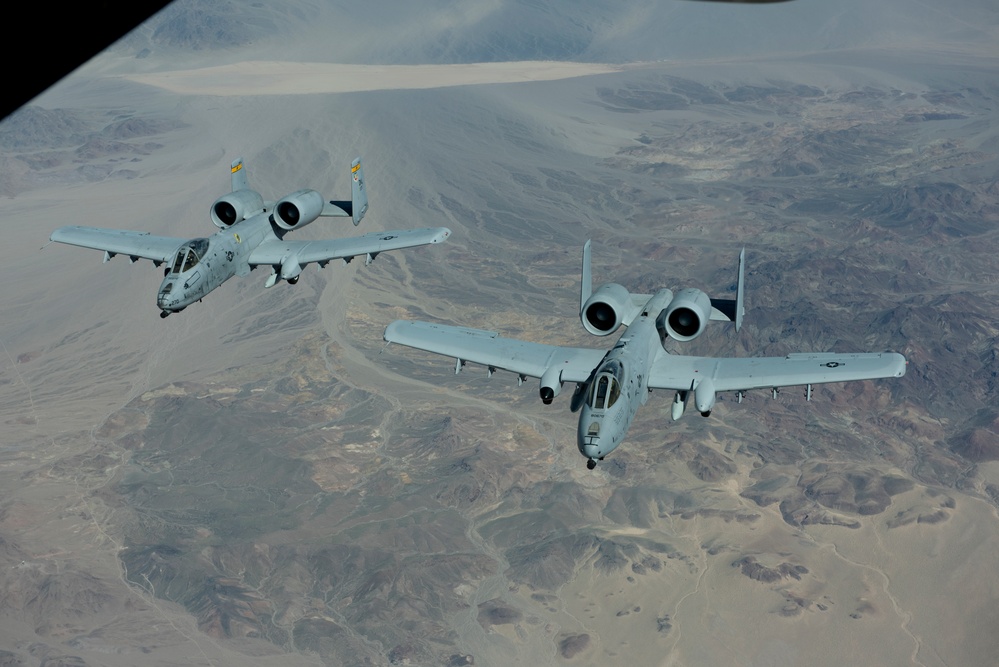
The cockpit of the A-10 is surrounded by 1,200 pounds of titanium armor, forming what pilots call the "bathtub." This armor can withstand hits from 23mm rounds, the standard Soviet anti-aircraft caliber when the A-10 was designed. The armor is not just thick but positioned to protect the pilot from below and the sides, the most likely angles of attack during low-altitude strafing runs. Multiple documented incidents have shown pilots surviving hits that penetrated the fuselage but were stopped by the bathtub. The design assumed pilots would get shot at. A lot.