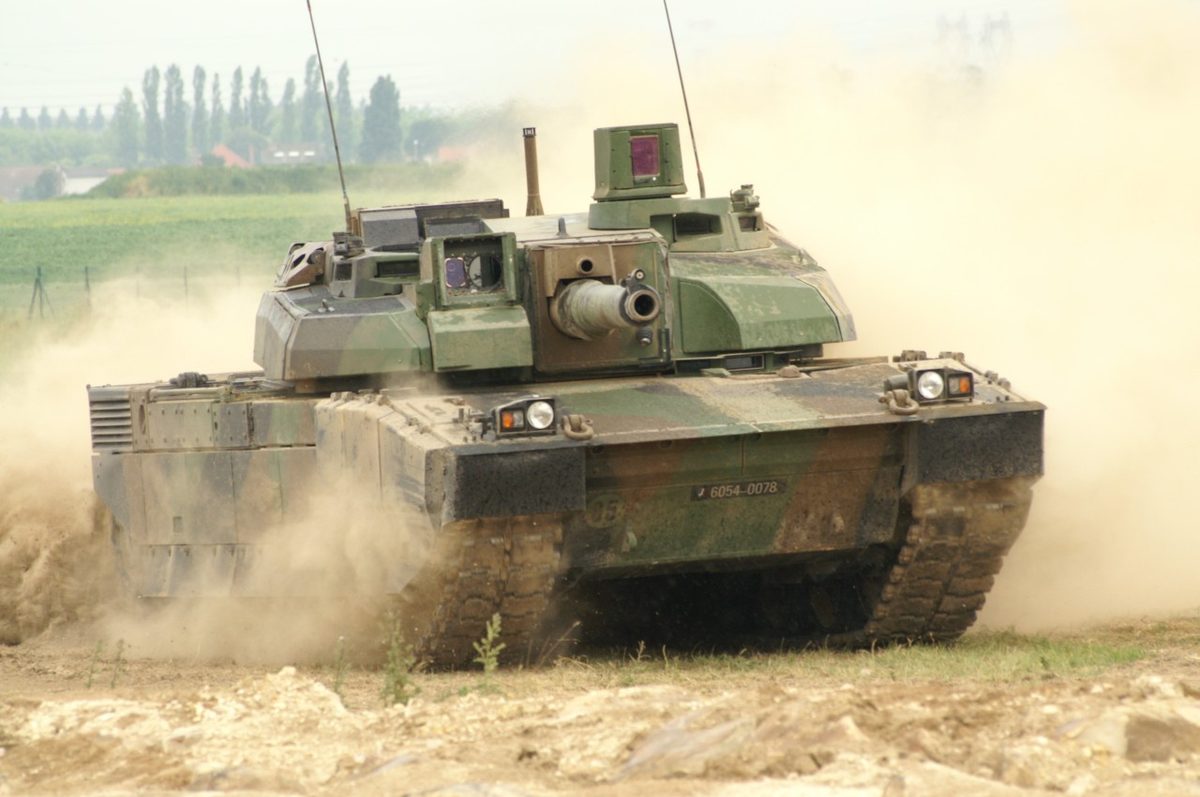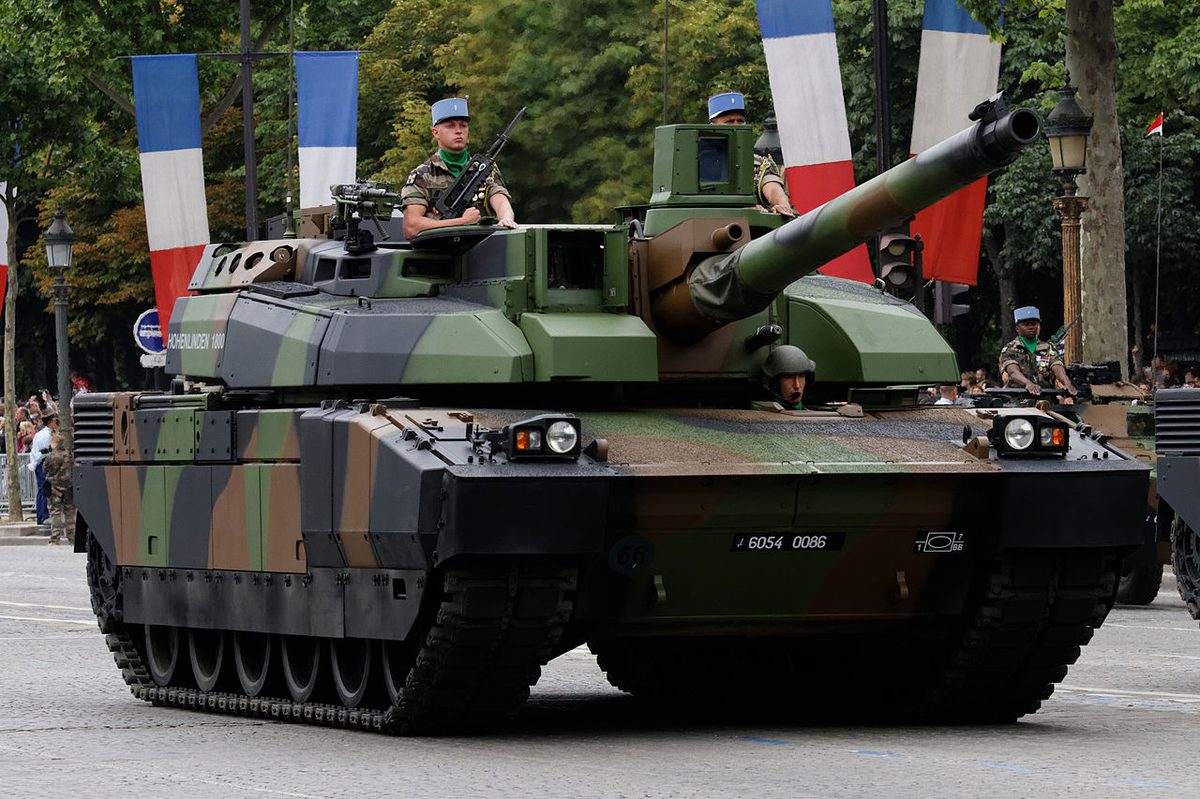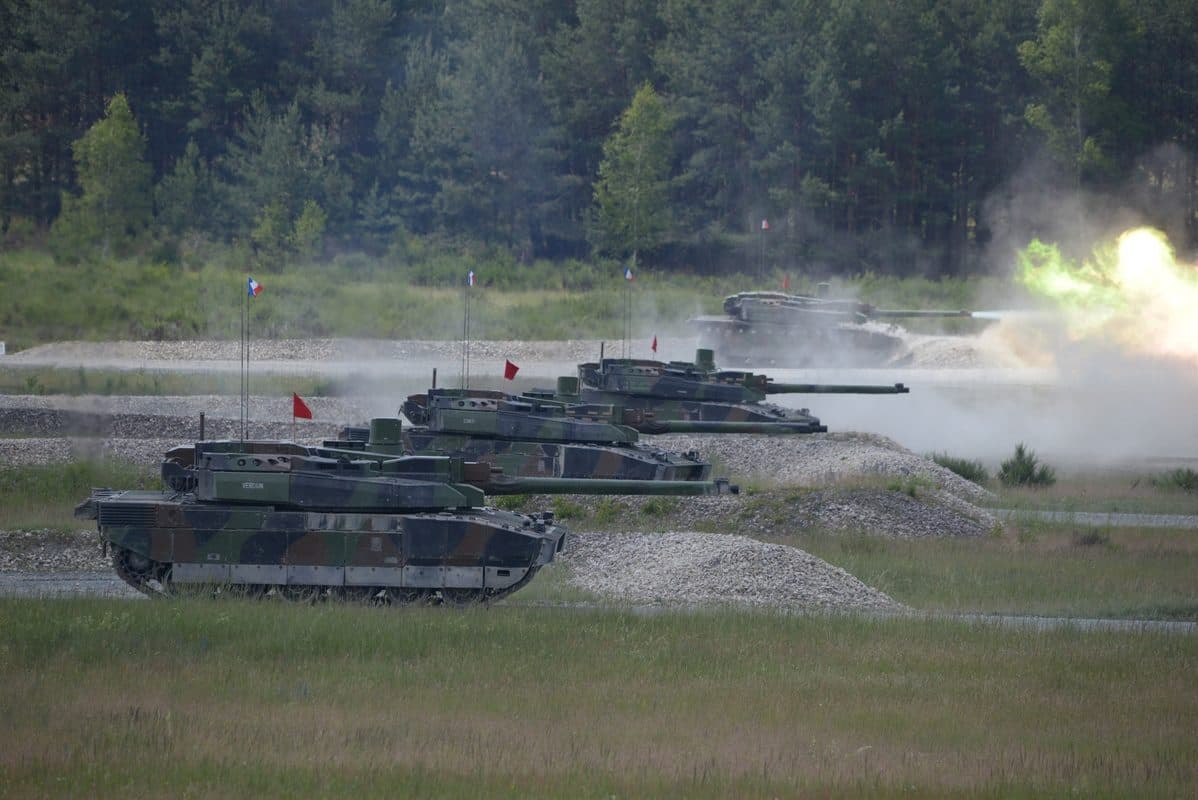

France built the only Western tank with an autoloader. Everyone said it was a mistake, the Soviets used autoloaders, and Soviet tank crews were getting killed by ammunition cook-offs. NATO armies used manual loaders and four-man crews, and they were winning. Then the United Arab Emirates bought 388 Leclercs, deployed them to Yemen in 2015, and the autoloader worked exactly as designed. The Leclerc is the lightest Western main battle tank, the first NATO tank to eliminate the loader's position, and the most controversial armored vehicle France has ever built. Its story is about a country that looked at the same problem every other NATO army saw and reached a fundamentally different conclusion.
Why France Went Its Own Way
The Leclerc was born from a specific French strategic requirement that differed from every other NATO nation. Germany, Britain, and the United States designed their tanks for the Central European theater, the Fulda Gap scenario, where heavy armor would slug it out with Soviet tank divisions in the forests and plains of Germany. France's strategic posture was different. With significant military commitments in North Africa, the Middle East, and sub-Saharan Africa, France needed a tank that could be deployed rapidly to distant theaters, often by air or sea, and fight effectively in desert conditions where weight penalties translated directly into logistical burdens.
This drove two design decisions that set the Leclerc apart from every NATO contemporary. First, weight: at 56 tons combat-loaded, the Leclerc is significantly lighter than the M1A2 Abrams (73 tons), the Leopard 2A7 (68 tons), or the Challenger 2 (75 tons). That 17-to-19-ton weight advantage isn't marginal, it means the Leclerc can cross bridges that would collapse under an Abrams, requires less fuel per kilometer, and can be transported by aircraft that couldn't handle heavier tanks. Second, crew size: the autoloader eliminated the fourth crew member, reducing the logistical tail per tank (food, water, equipment) by 25 percent. In expeditionary operations far from home, that arithmetic matters.
The Autoloader Debate
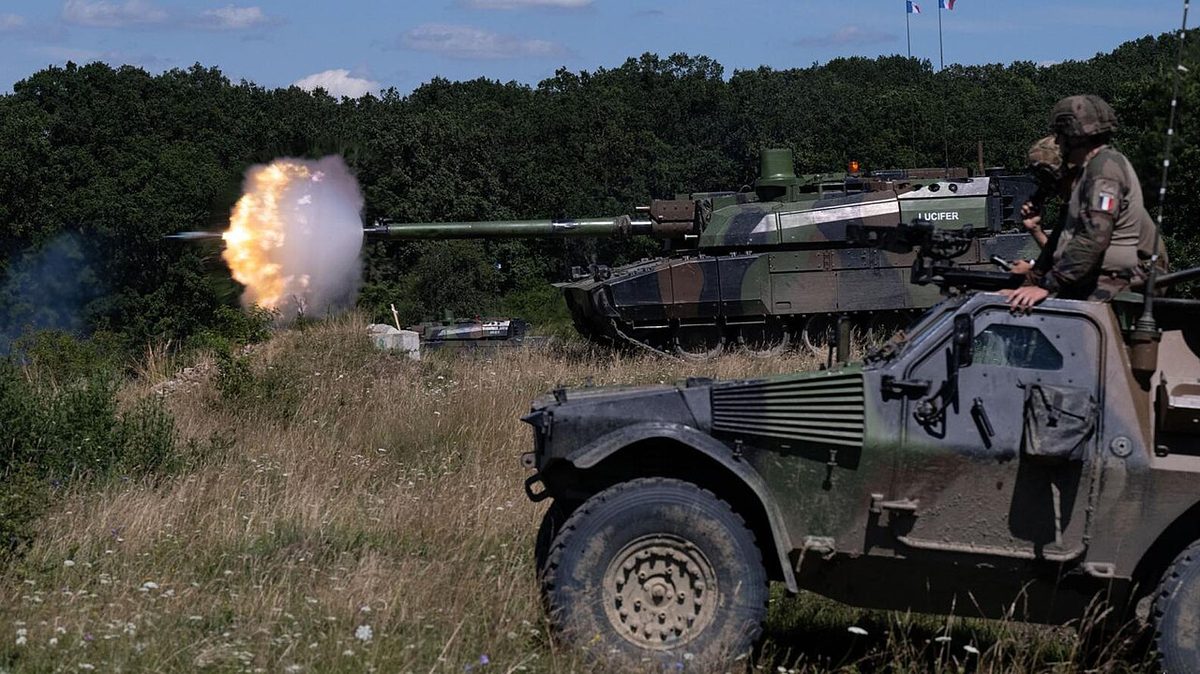
The Leclerc's autoloader was, and remains, the most controversial feature of any Western tank. The argument against autoloaders was straightforward and backed by evidence: Soviet tanks like the T-72 stored their autoloader ammunition in a carousel beneath the turret, directly in the crew compartment. When the armor was penetrated, the ammunition detonated, blowing the turret off the hull and killing everyone inside, the infamous "jack-in-the-box" effect documented extensively in the Gulf War, Chechnya, and later Ukraine. NATO armies argued that a fourth crew member (the loader) was safer, faster under stress, and provided an extra pair of eyes and hands for maintenance and local security.