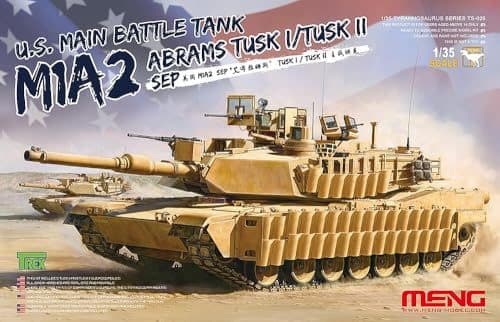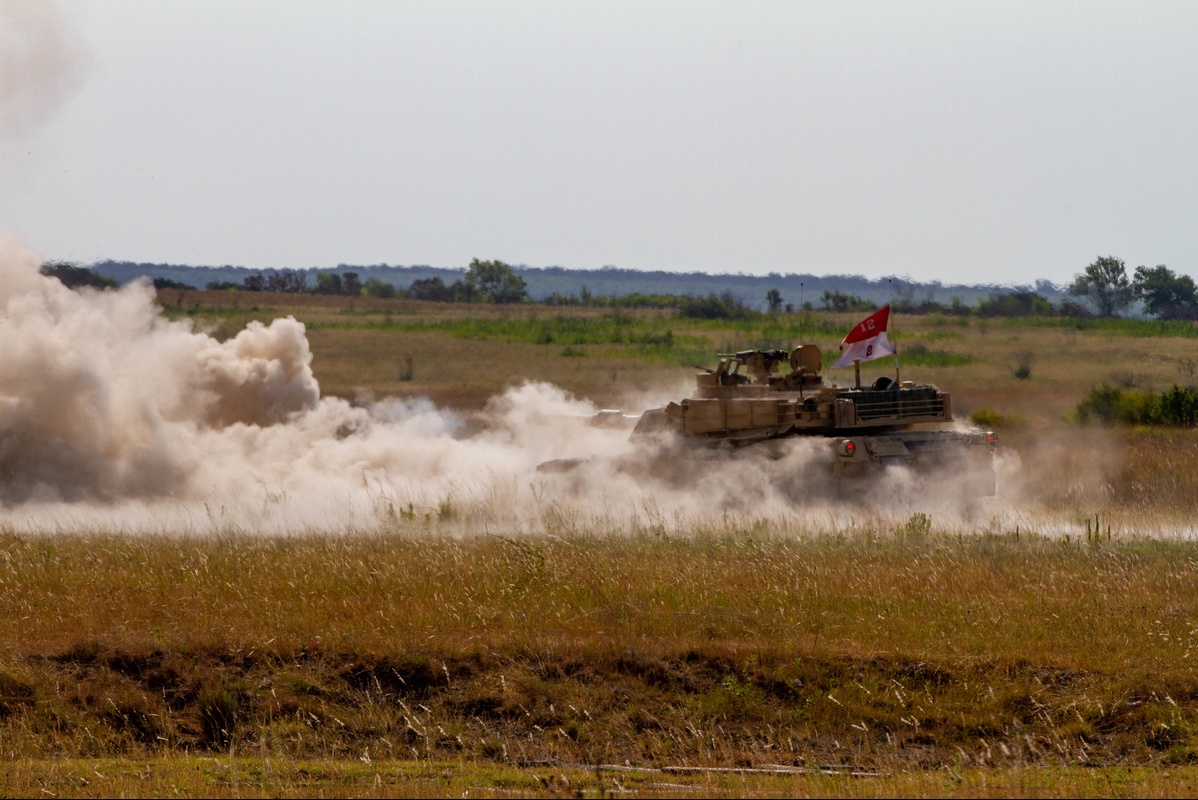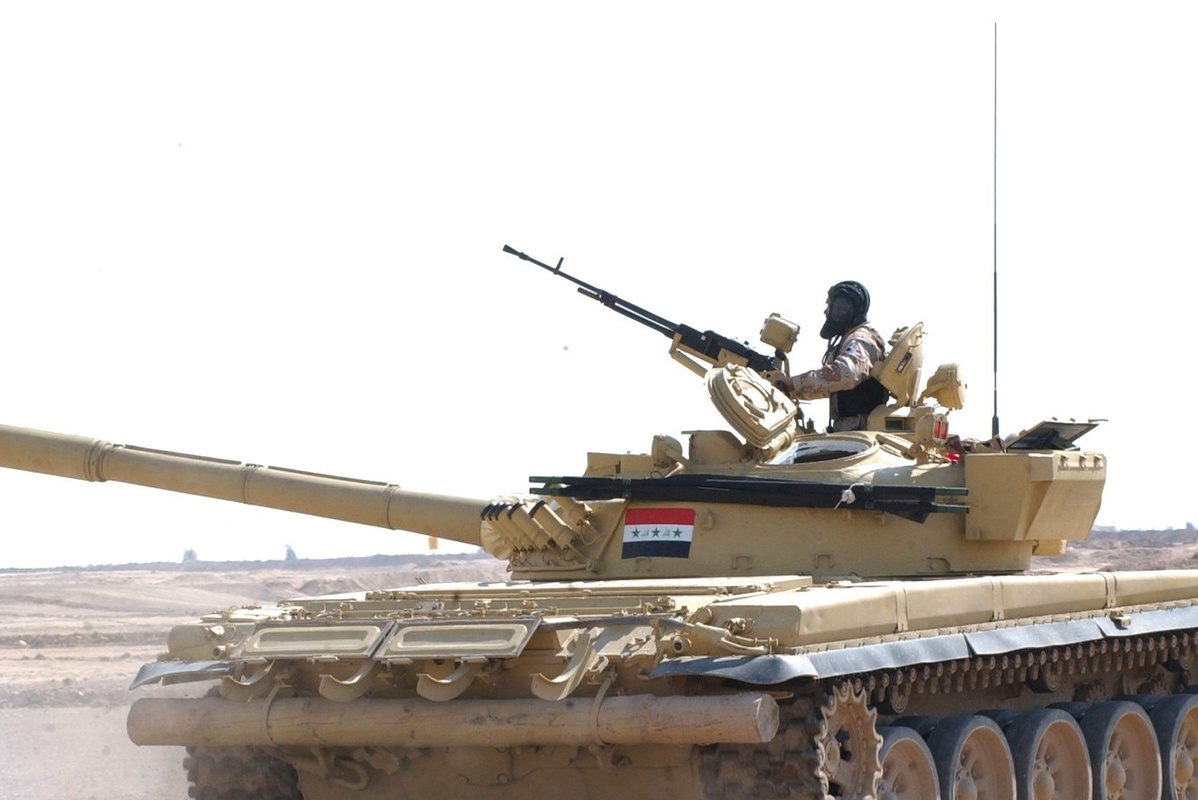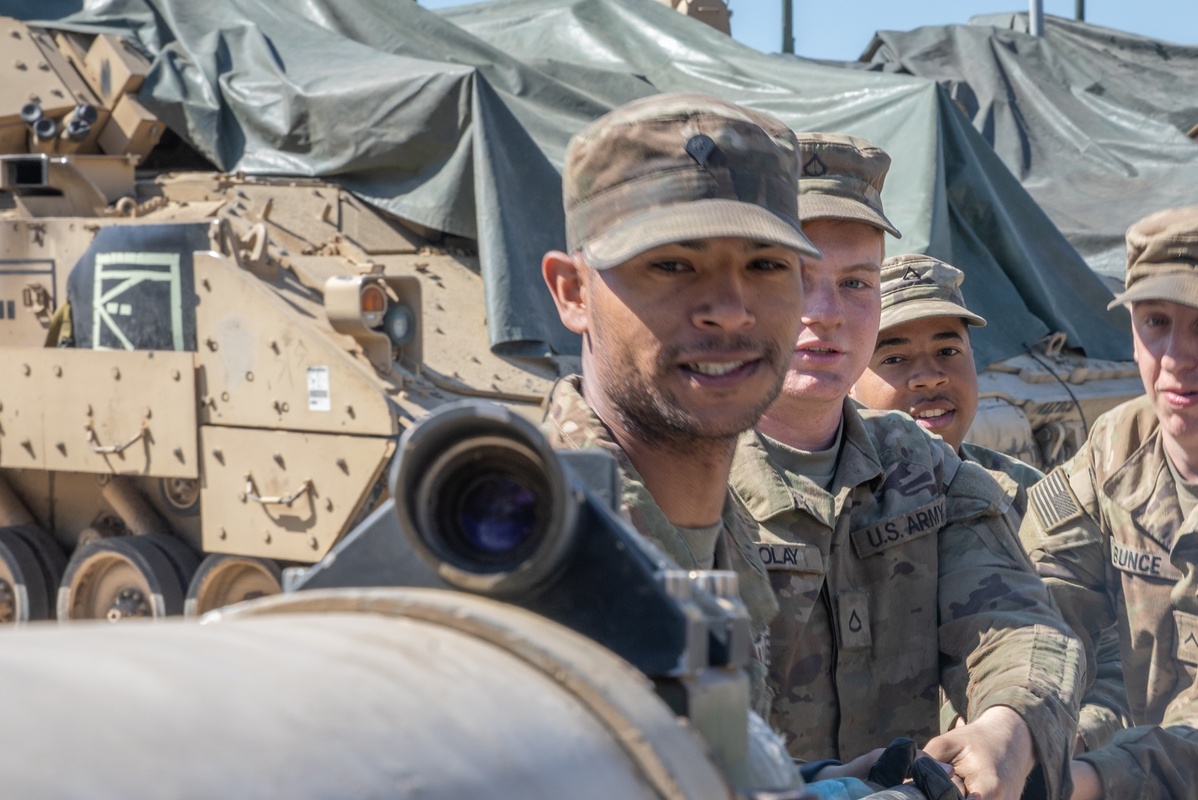

Few armored vehicles have inspired as much debate as the American M1 Abrams and the Soviet-designed T-72. Though often framed as direct rivals, these tanks were never built to fight the same war in the same way. Each reflects a radically different philosophy about armor, crew survivability, logistics, and how wars are actually won.
This article provides a complete, no-nonsense comparison of the M1 Abrams and T-72 - not just specifications, but what those differences mean in real combat.
At a Glance: Quick Verdict
M1 Abrams Wins
- Firepower
- Armor & Crew Survivability
- Electronics & Situational Awareness
T-72 Wins
- Simplicity & Ease of Production
- Cost & Mass Deployment
M1 Abrams vs T-72: Key Comparison Table (Quick Reference)
This table is designed to answer "which is better and why" in under 30 seconds - without oversimplifying.
| Category | M1 Abrams | T-72 | Why This Matters |
|---|---|---|---|
| Crew Size | 4 (Commander, Gunner, Loader, Driver) | 3 (Autoloader replaces loader) | Larger crews reduce fatigue, increase redundancy, and improve battlefield awareness |
| Main Gun | 120 mm smoothbore | 125 mm smoothbore | Caliber alone doesn't decide outcomes - fire control and ammo handling matter more |
| Ammunition Storage | Separate compartment with blowout panels | Stored inside crew compartment (carousel autoloader) | Directly impacts crew survivability after penetration |
| Fire Control & Optics | Advanced thermals, stabilized sights, long-range accuracy | More basic optics in older variants; improved in later upgrades | Seeing and hitting first often decides the fight |
| Armor Philosophy | Composite armor focused on crew survival | Steel/composite variants focused on compactness | Protection design reflects doctrine, not just technology |
| Engine Type | Gas turbine | Diesel | Turbine offers performance; diesel offers efficiency and simplicity |
| Fuel & Logistics Demand | Very high | Moderate | Logistics often determine how long a tank stays in the fight |
| Mobility (Tactical) | Excellent acceleration and cross-country speed | Good mobility, lighter overall | Tactical mobility ≠ strategic sustainment |
| Maintenance Complexity | High | Lower | Simpler systems are easier to keep running in austere environments |
| Training Assumptions | Highly trained professional crews | Shorter training cycles assumed | Crew skill strongly affects real-world performance |
| Unit Cost (Relative) | Very expensive | Much cheaper | Cost influences numbers, replacement rate, and doctrine |
| Doctrine Fit | Combined-arms, precision warfare | Mass deployment, attrition-tolerant | These tanks were built for different wars |
The Abrams is optimized for survivability, precision, and combined-arms warfare.