#8: Polish GROM: Eastern Europe's Tier-One Powerhouse
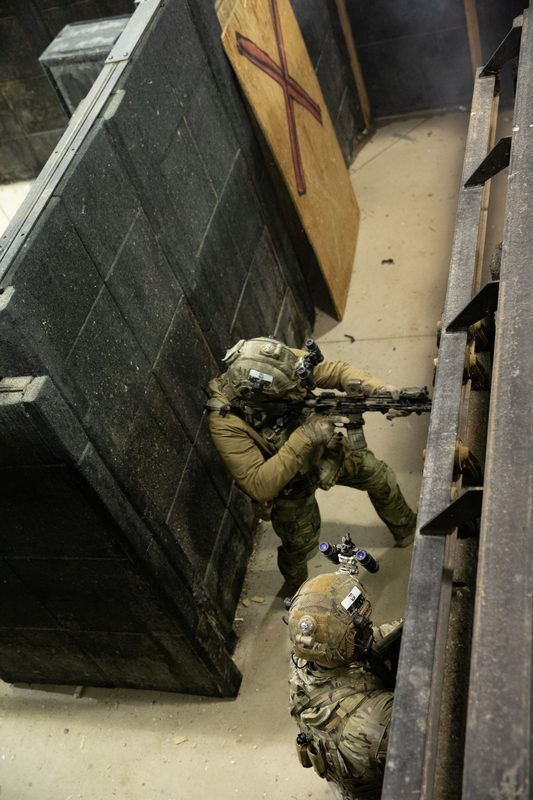
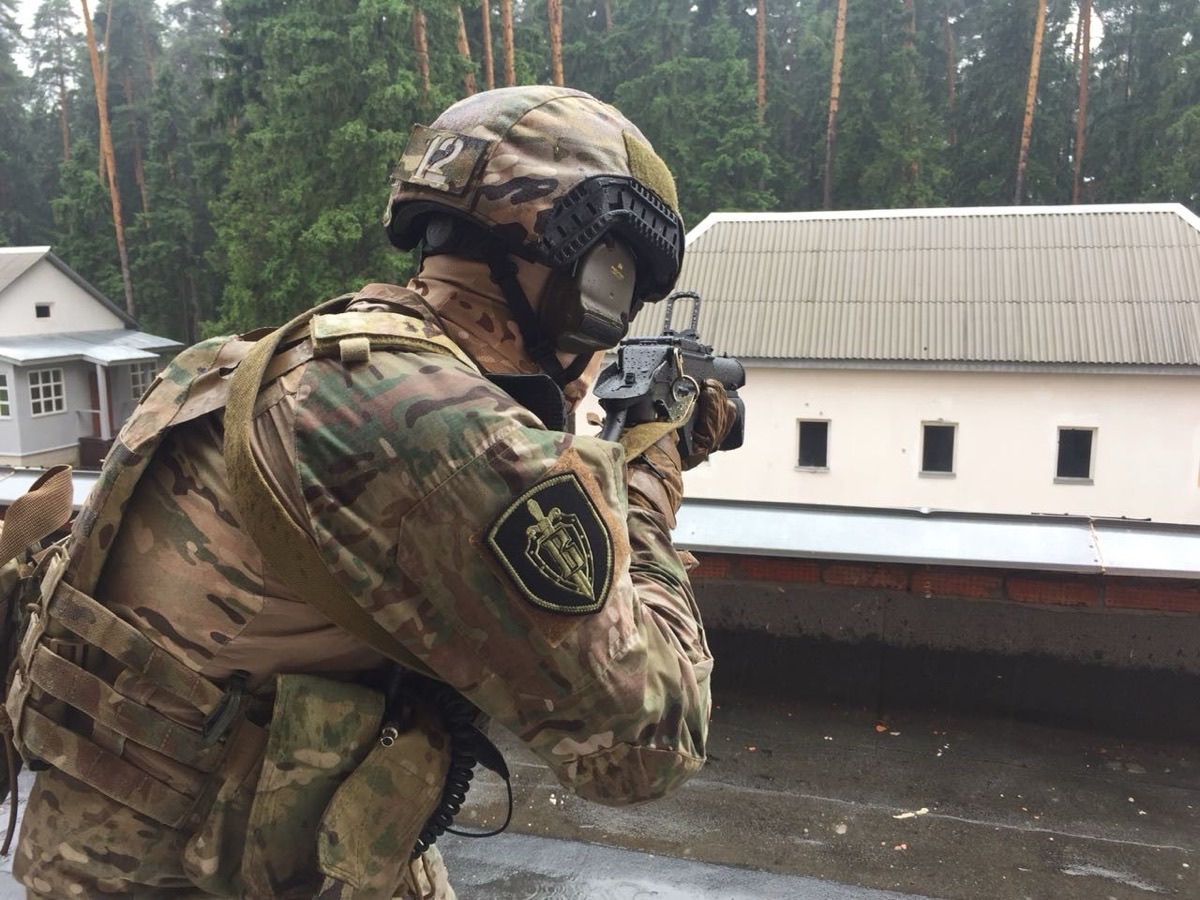
Poland's Grupa Reagowania Operacyjno-Manewrowego (GROM, meaning "thunder") runs a selection process with a failure rate exceeding 90 percent. The unit was created in 1990, and its founding commander deliberately modeled the selection and training pipeline after Delta Force and the SAS, with direct input from operators in both units. GROM candidates face physical assessments, psychological evaluations, and combat scenarios that rival any tier-one selection course on Earth.
GROM operators earned their tier-one reputation in Iraq, where they conducted joint operations with JSOC task forces that remain among the most highly classified missions of the war. During the initial invasion in 2003, GROM teams seized Iraqi oil platforms in the Persian Gulf in a joint operation with U.S. Navy SEALs, a mission critical to preventing Saddam from destroying Iraq's oil infrastructure. They've since deployed to Afghanistan and across the globe, consistently earning praise from American and British special forces commanders as world-class operators. Their military training pipeline and defense technology investment have made GROM a model for other Eastern European nations building special operations capabilities from scratch.
#7: JTF2: Canada's Ghost Unit
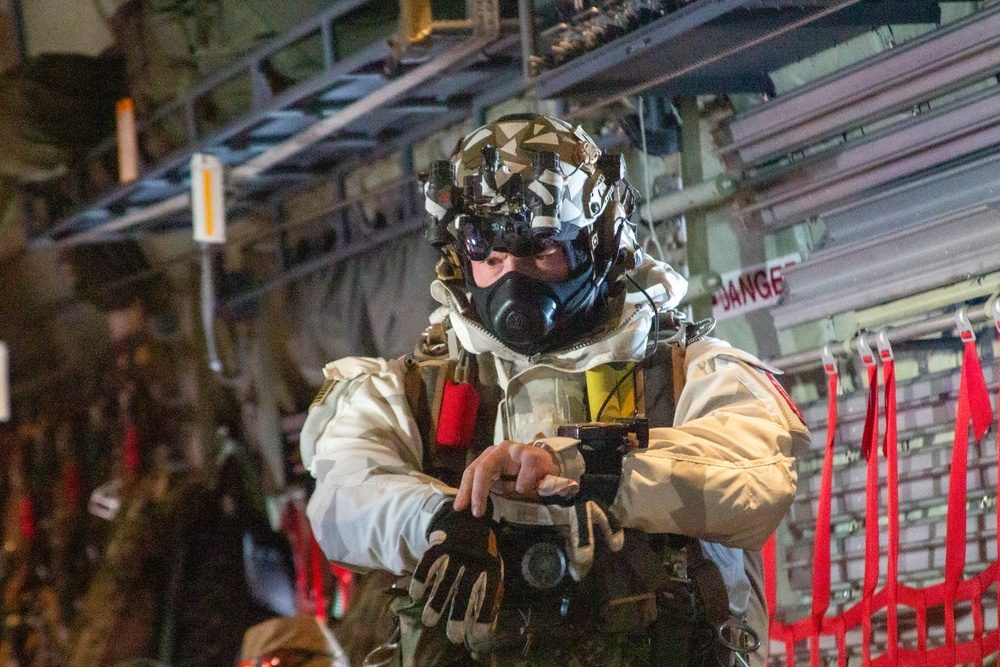
Canada's Joint Task Force 2 is so secretive that the Canadian government didn't officially acknowledge its existence until 1993, and even today, virtually nothing about JTF2 operations, selection criteria, or unit strength is publicly disclosed. What's known is that selection draws from across the Canadian Armed Forces and the failure rate is among the highest in the world. Identities of JTF2 operators are permanently classified.
JTF2 earned its tier-one classification from JSOC, placing it alongside Delta Force, DEVGRU, and the SAS in the most exclusive club in special operations. In Afghanistan, JTF2 operators worked directly within the JSOC task force conducting kill/capture missions against high-value targets, and reportedly achieved the longest confirmed sniper kill in history at the time (later surpassed by a JTF2-trained Canadian sniper in 2017 at 3,540 meters). Their military training is built around counter-terrorism, direct action, and special reconnaissance, with a particular emphasis on Arctic warfare reflecting Canada's northern defense responsibilities. JTF2's combination of JSOC-tier capability and near-total operational secrecy makes them one of the most enigmatic special forces units on Earth.
#6: British SBS: The Royal Navy's Shadow Warriors
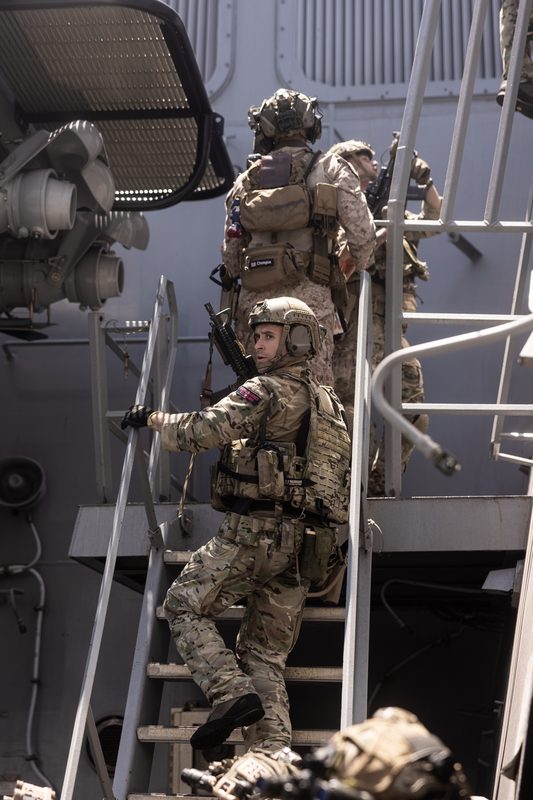
The Special Boat Service selection is identical to SAS selection, the same brutal endurance marches across the Brecon Beacons, the same resistance-to-interrogation phase, the same punishing continuation training. But SBS candidates then face additional maritime-specific training including combat diving, submarine operations, and small-boat handling in conditions that would capsize most sailors. The combined failure rate approaches 90 percent.
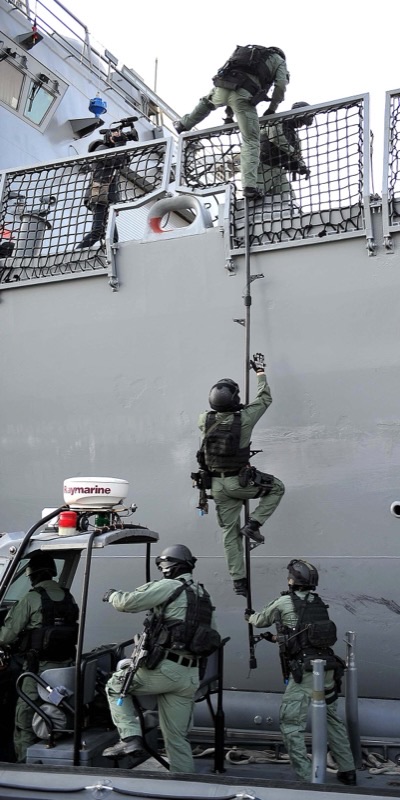
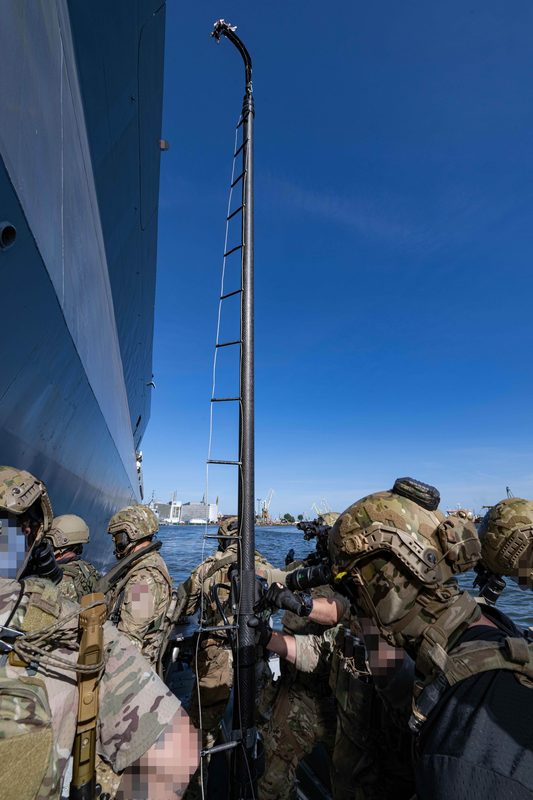
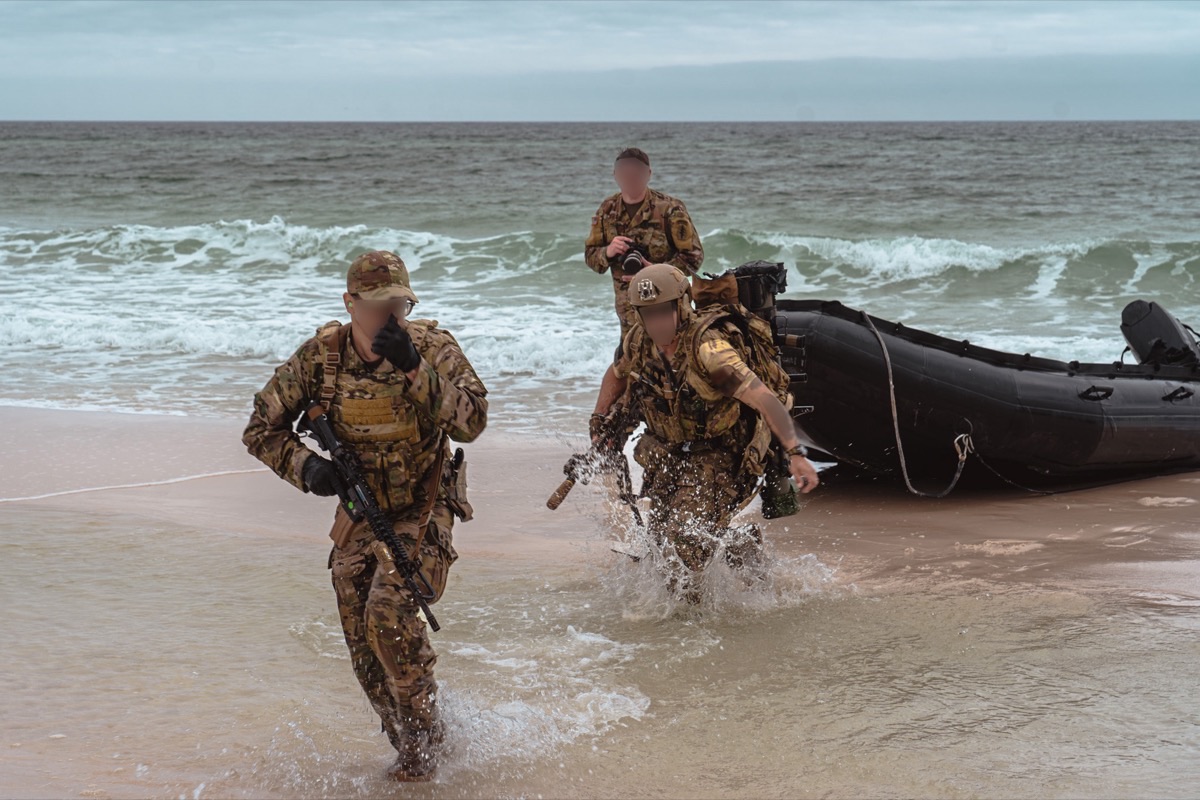
The SBS has quietly conducted some of the most daring special operations in British military history, including maritime counter-terrorism operations, ship-boarding in the Persian Gulf, and direct action raids in Afghanistan and Iraq that remain largely classified. During the 2000 Sierra Leone hostage crisis, SBS operators were among the forces that rescued British soldiers held by the West Side Boys militia. In Afghanistan, SBS teams operated within the same JSOC task force structure as SAS, Delta, and DEVGRU, earning a reputation for exceptional capability in the maritime domain that even the SEALs respect. Their military training produces what many consider the world's finest maritime special operations force, operators who can insert from submarines, conduct ship assaults, and fight ashore with equal proficiency.
#5: Shayetet 13: Israel's Naval Commandos Who Strike From the Sea
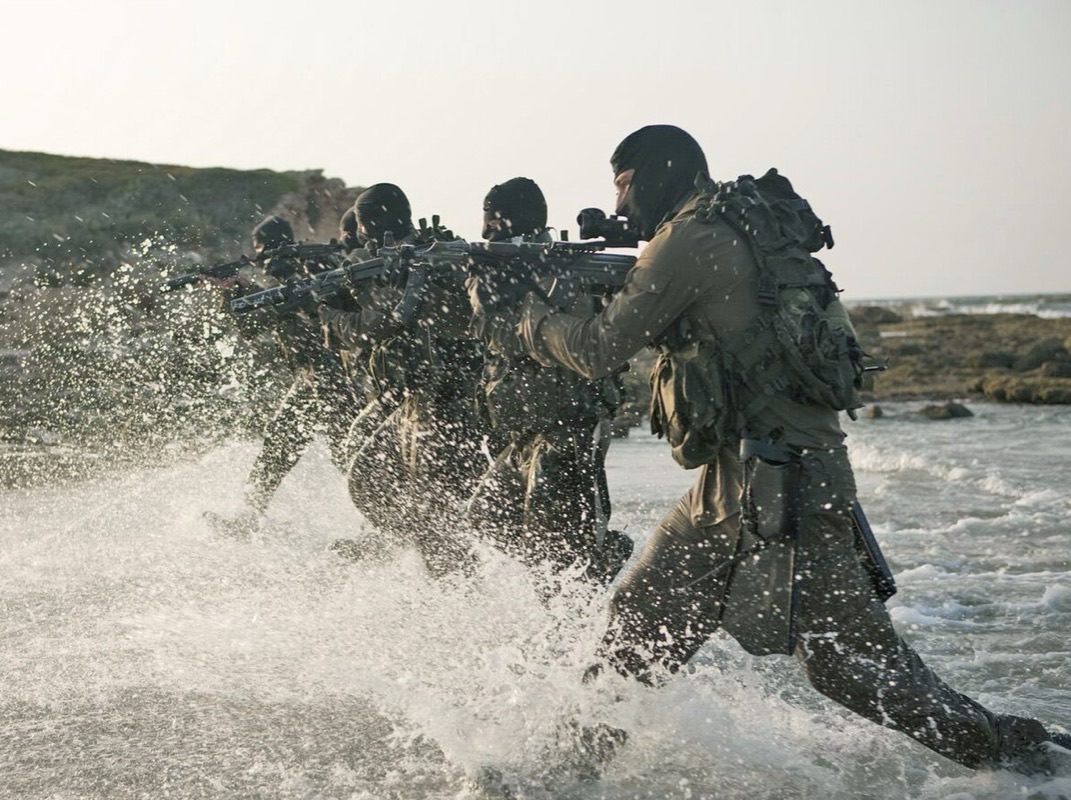
Shayetet 13's selection course is approximately 20 months long, one of the most extended training pipelines of any naval special forces unit in the world. Candidates face combat diving, military freefall, close-quarters battle, and maritime counter-terrorism phases designed to produce operators who can fight on land, at sea, and underwater with equal lethality. The attrition rate from initial volunteers to qualified operators exceeds 90 percent.
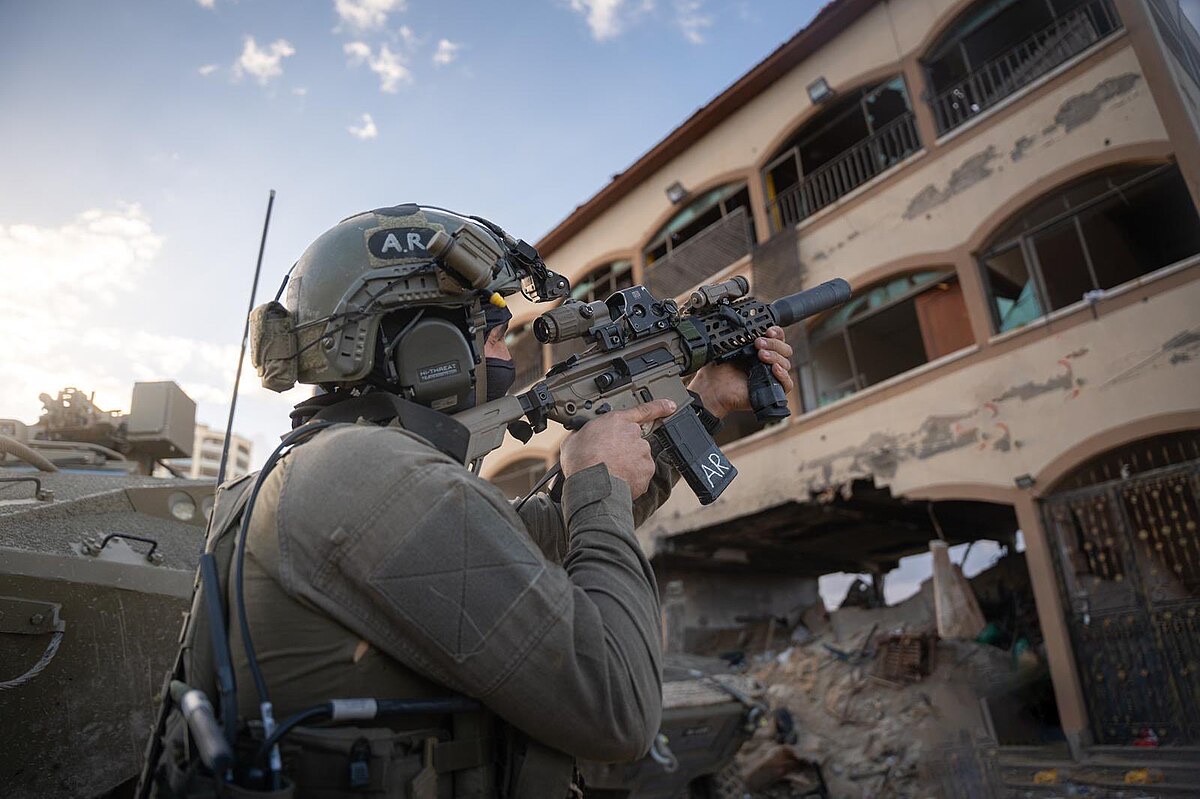
Shayetet 13 has conducted some of the most audacious naval special operations in modern history. In 1973, operators raided Beirut in Operation Spring of Youth, assassinating three senior PLO leaders in their apartments. A mission that required inserting from the sea, navigating urban terrain in disguise, and extracting under fire. They've since conducted countless ship interdictions, underwater demolitions, and coastal raids across the Mediterranean and beyond. During recent operations in Gaza, Shayetet 13 teams conducted maritime and ground assaults. Their defense technology in underwater delivery systems and diver propulsion vehicles is considered among the most advanced of any naval commando force, and their combat record in sustained real-world operations places them among the world's most battle-proven special forces units.
#4: Sayeret Matkal: Israel's Ultimate Deep-Penetration Force
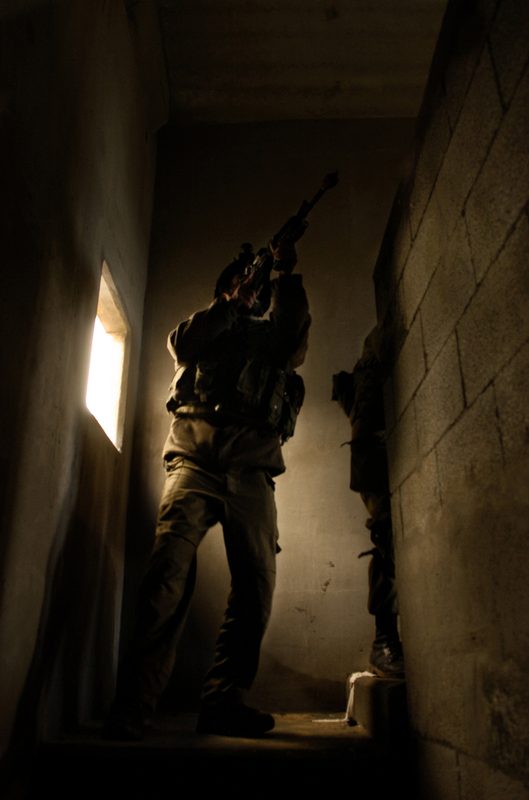
Sayeret Matkal, "The Unit," is Israel's most elite special reconnaissance and direct action force, modeled directly on the British SAS. Selection is drawn from Israel's mandatory conscription pool, but only the most exceptional candidates are identified through a secretive scouting process. The training pipeline takes approximately 20 months and produces operators specializing in deep-penetration reconnaissance, hostage rescue, and intelligence gathering behind enemy lines.
Sayeret Matkal's operational resume is staggering. Operation Thunderbolt at Entebbe in 1976, the rescue of 102 hostages from a hijacked airliner in Uganda, 4,000 kilometers from Israel, is widely considered the most daring hostage rescue in military history. They've conducted cross-border intelligence operations, assassinations, and prisoner snatches that have shaped the course of Middle Eastern military history. Three Israeli prime ministers (Netanyahu, Barak, and Olmert) served in Sayeret Matkal, reflecting the unit's extraordinary status within Israeli society. Their military training produces operators who are among the most independently capable in the world, each one expected to operate in small teams deep behind enemy lines with minimal support and maximum initiative.
#3: DEVGRU (SEAL Team 6): The Unit That Killed bin Laden
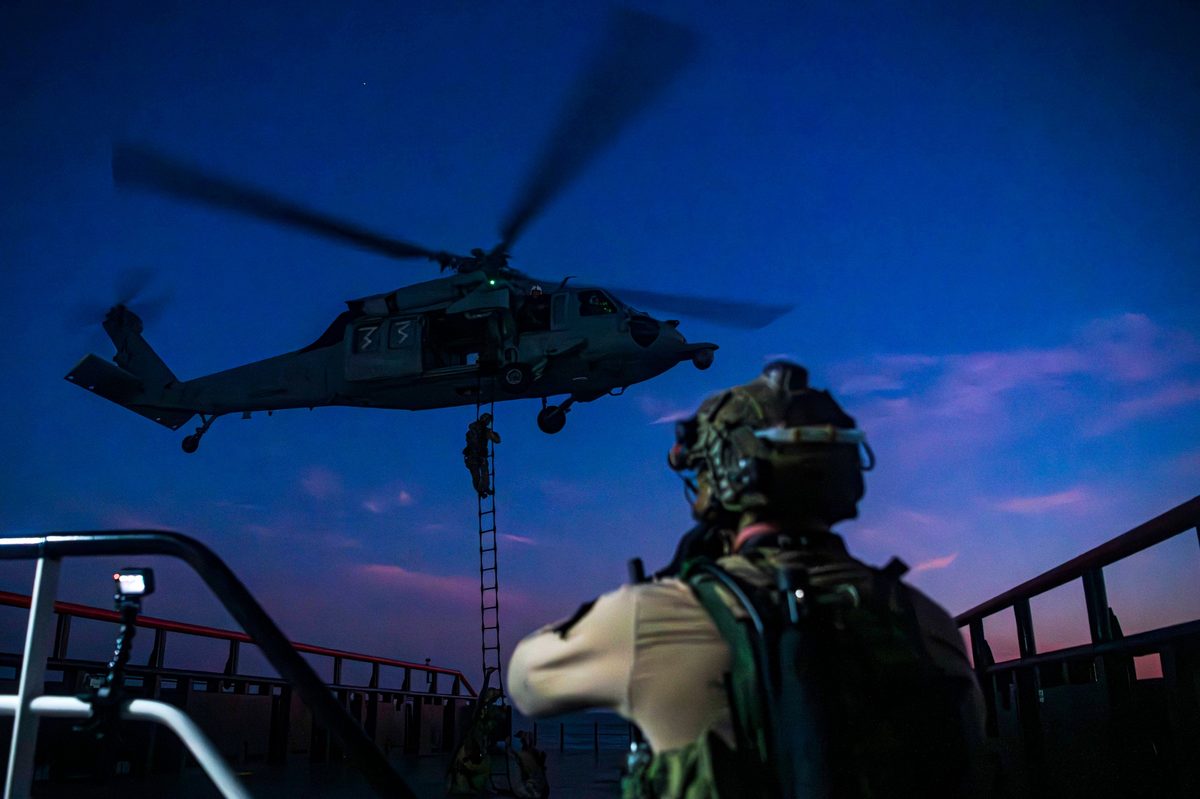
DEVGRU (the Naval Special Warfare Development Group, formerly SEAL Team 6) selects from an already-elite pool of experienced Navy SEALs through a process called Green Team. Only the top SEALs are invited to attempt selection, and even among these seasoned operators, a significant percentage fails to meet DEVGRU's extraordinary standards. The complete pipeline transforms proven SEALs into tier-one operators capable of executing the most sensitive and complex special operations on Earth.
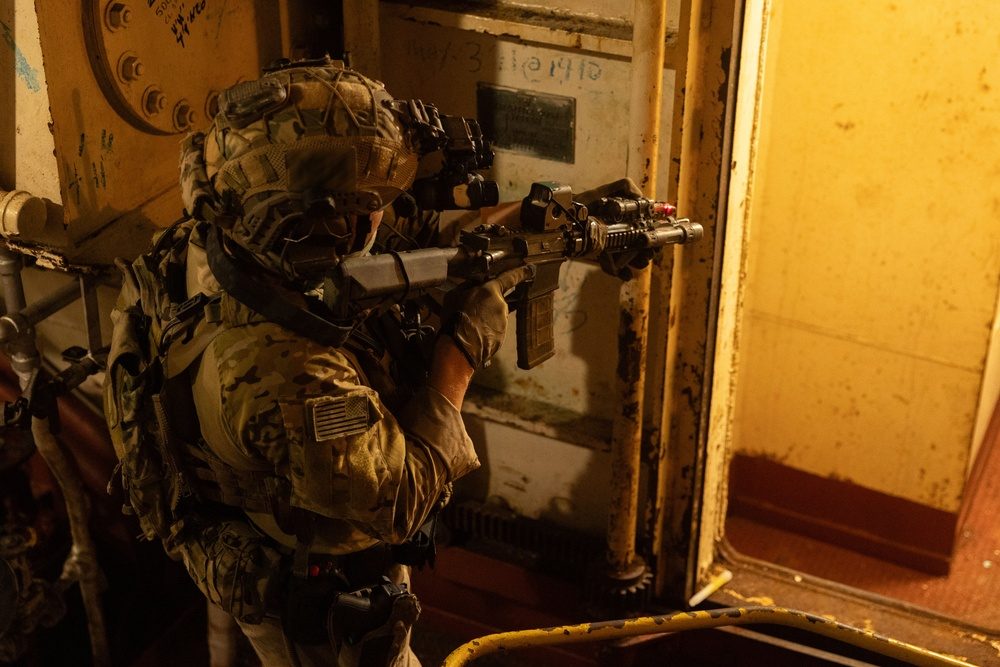
DEVGRU conducted the most famous special operation of the 21st century. Operation Neptune Spear, the May 2, 2011 raid on Abbottabad, Pakistan that killed Osama bin Laden. But that mission was just one night in an operational history spanning decades of classified kills, captures, and hostage rescues that form the backbone of America's counter-terrorism campaign. DEVGRU operators have deployed to every active theater, conducting ship-boarding operations in the Persian Gulf, direct action raids in Iraq and Afghanistan, and hostage rescues in Somalia and across Africa. Their tactical gear and defense technology access is virtually unlimited, they field prototype weapons, experimental equipment, and intelligence capabilities that don't officially exist. In the hierarchy of global special operations, DEVGRU occupies one of the three seats at the very top.
#2: British SAS: The Original Special Forces
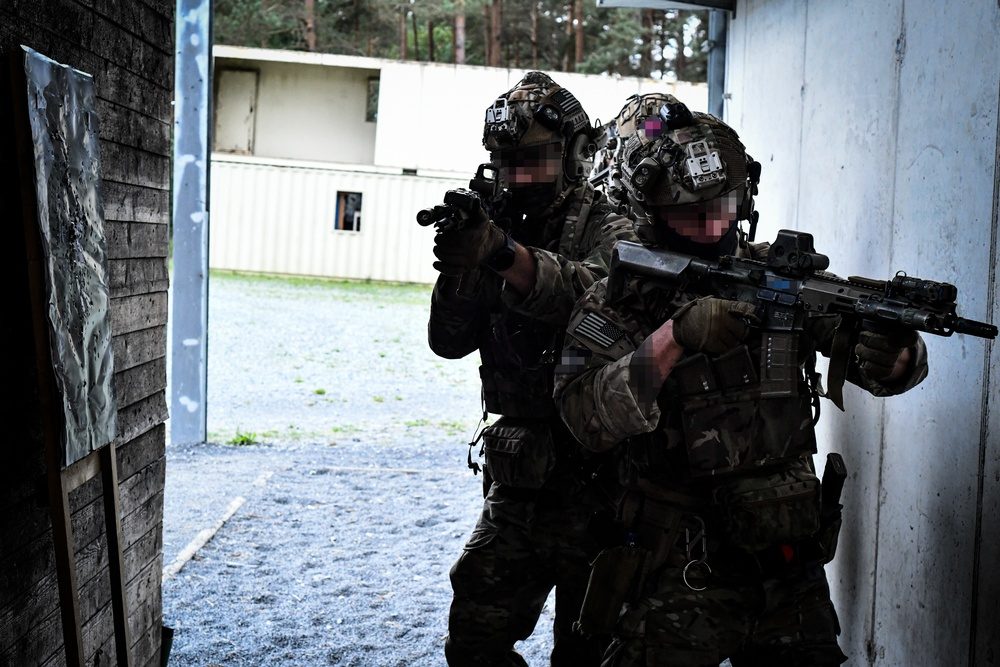
The 22 Special Air Service Regiment's selection course has been imitated by virtually every special forces unit on this list: but never truly replicated. Candidates face the infamous Fan Dance march across the Brecon Beacons in Wales, a weeks-long navigation phase carrying crushing weight across brutal terrain, and a resistance-to-interrogation phase that's been investigated by human rights organizations. The pass rate hovers between 10 and 15 percent of candidates who are already among the British military's fittest soldiers.
The SAS literally invented modern special forces warfare. Founded by David Stirling in the North African desert in 1941, the Regiment has been in continuous operation for over 80 years, longer than any other special forces unit on Earth. Operation Nimrod, the 1980 Iranian Embassy siege in London, was broadcast live on television and established the SAS as the gold standard for hostage rescue worldwide. They've since operated in the Falklands, Northern Ireland, Iraq, Afghanistan, Syria, and dozens of classified theaters, mentoring and inspiring every unit ranked below them on this list. The SAS selection, training methodology, and operational philosophy form the DNA of modern special operations, and their military training pipeline continues to produce operators that even Delta Force and DEVGRU operators regard as peers. "Who Dares Wins" isn't just a motto, it's the founding principle of an entire military discipline.
#1: Delta Force: The Apex Predator of Special Operations
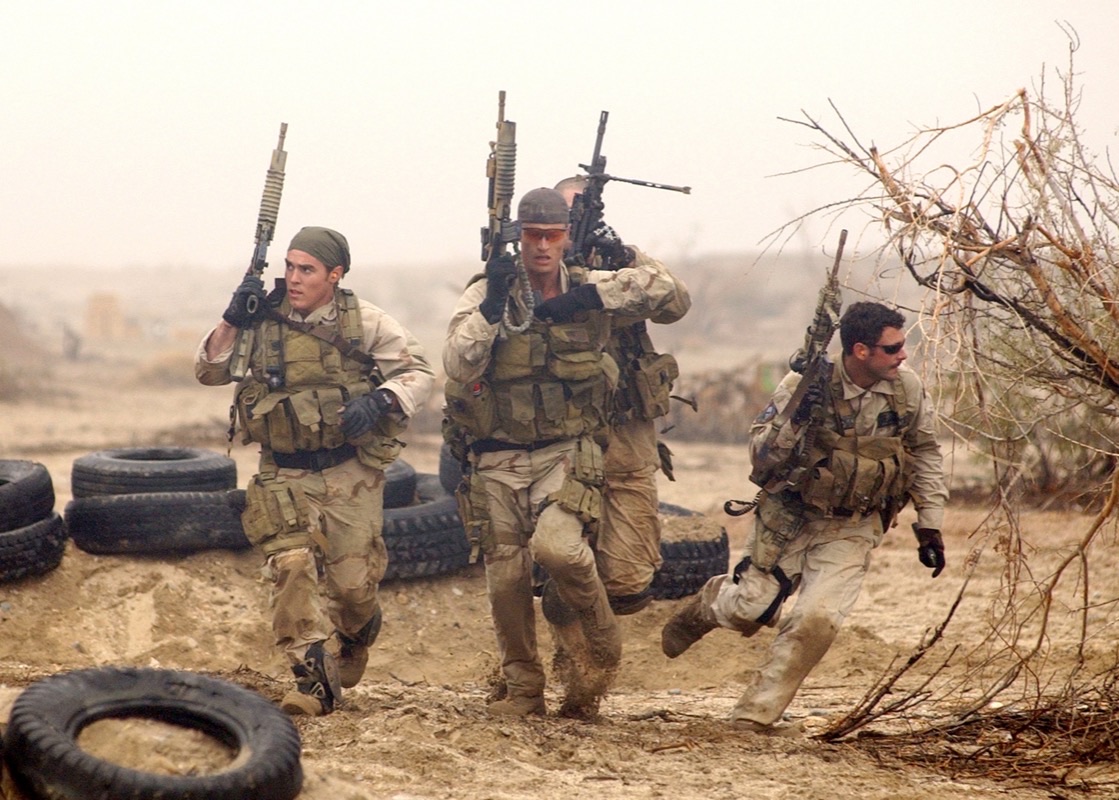
Delta Force, officially the 1st Special Forces Operational Detachment-Delta, also known as the Combat Applications Group, runs a selection process so secret that even its location and duration are classified. What's known is that candidates are recruited from across the U.S. Army's most elite units, primarily the 75th Ranger Regiment and Special Forces Groups, and face an assessment that tests physical endurance, mental resilience, marksmanship, and independent decision-making to standards that exceed any other special forces selection on Earth. The pass rate is rumored to be below 10 percent of an already-elite candidate pool.
Delta Force has been America's primary counter-terrorism and direct action unit since Colonel Charlie Beckwith founded it in 1977, modeling it after the British SAS. From the failed Iran hostage rescue at Desert One through the Battle of Mogadishu, the invasion of Afghanistan, the relentless kill/capture campaigns in Iraq, and the ongoing global counter-terrorism mission, Delta operators have conducted more classified special operations than any unit in history. They have virtually unlimited access to defense technology, experimental weapons, and intelligence assets, operating with a budget and bureaucratic freedom that no other unit on this list can match. Delta's military training pipeline produces the most versatile operators in the world: equally capable of executing a precision hostage rescue, conducting a long-range reconnaissance patrol, or eliminating a high-value target in any environment on Earth. When the world's most dangerous missions arise and failure is not an option, Delta Force gets the call. That is why they sit at number one.