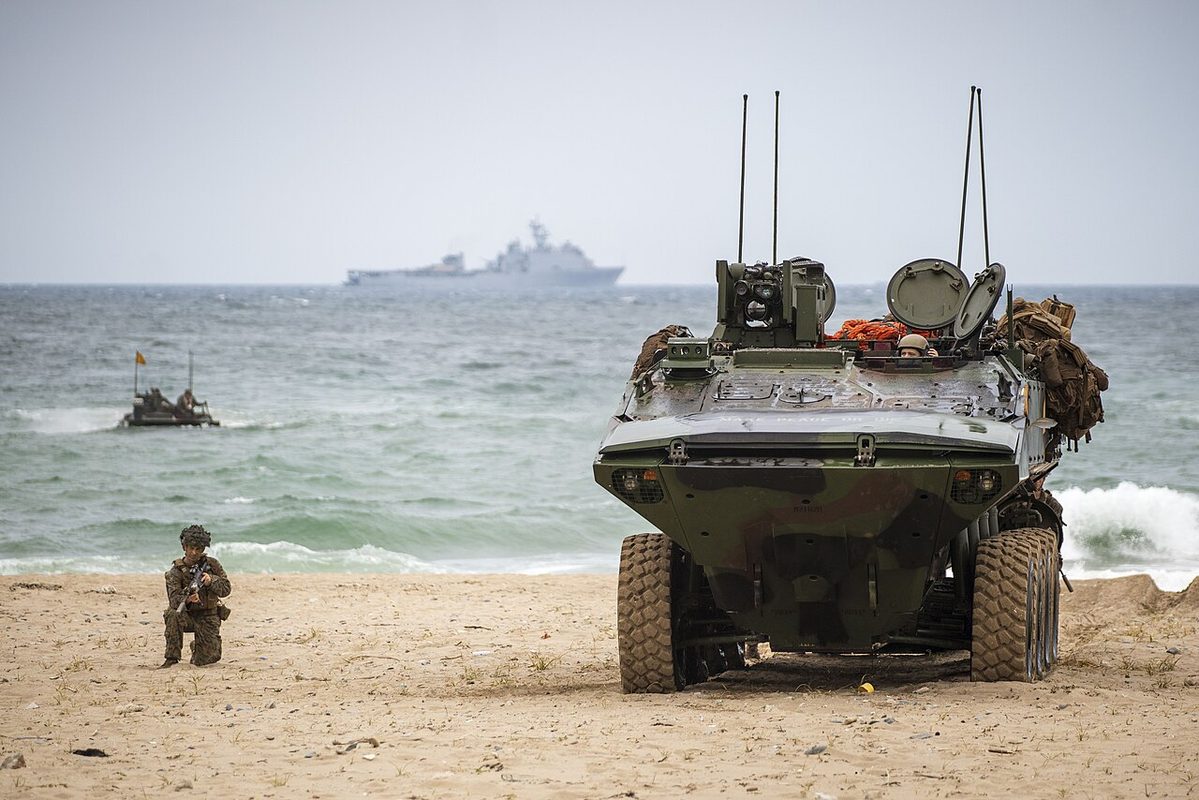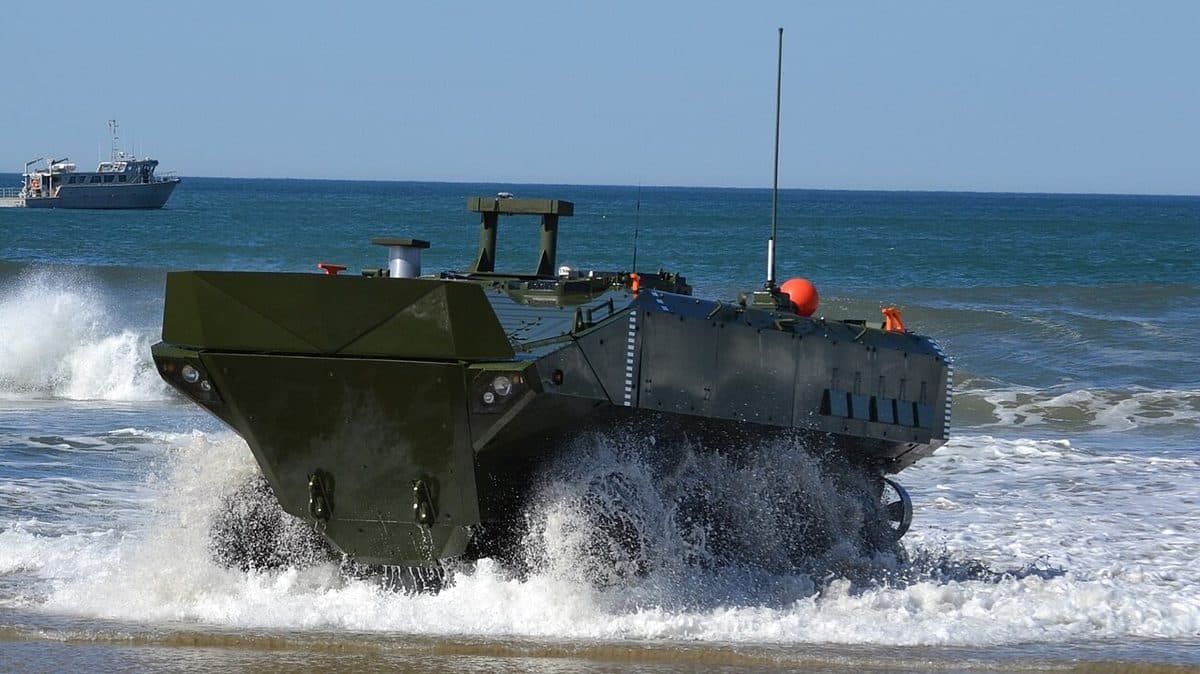

On July 30, 2020, nine Marines and a sailor drowned when their 48-year-old amphibious vehicle sank during a routine training exercise off the coast of San Clemente Island, California. The AAV-7A1, the Assault Amphibious Vehicle, had been in service since 1972. It was older than any of the service members who died inside it. The tragedy was the deadliest training accident in the Marine Corps in decades, and it accelerated a transition that should have happened years earlier: the replacement of the AAV with the Amphibious Combat Vehicle, a machine designed for an ocean that the AAV was never truly built to survive.
The AAV-7 was an engineering compromise from the Vietnam era. It was designed to be good enough in the water to get Marines from ship to shore and good enough on land to keep moving once the beach was secured. But "good enough" in the water meant a vehicle that sat low, took on water through aging seals, and had limited reserve buoyancy. In rough seas, or when maintenance was deferred, as it too often was, the margin between floating and sinking was dangerously thin.
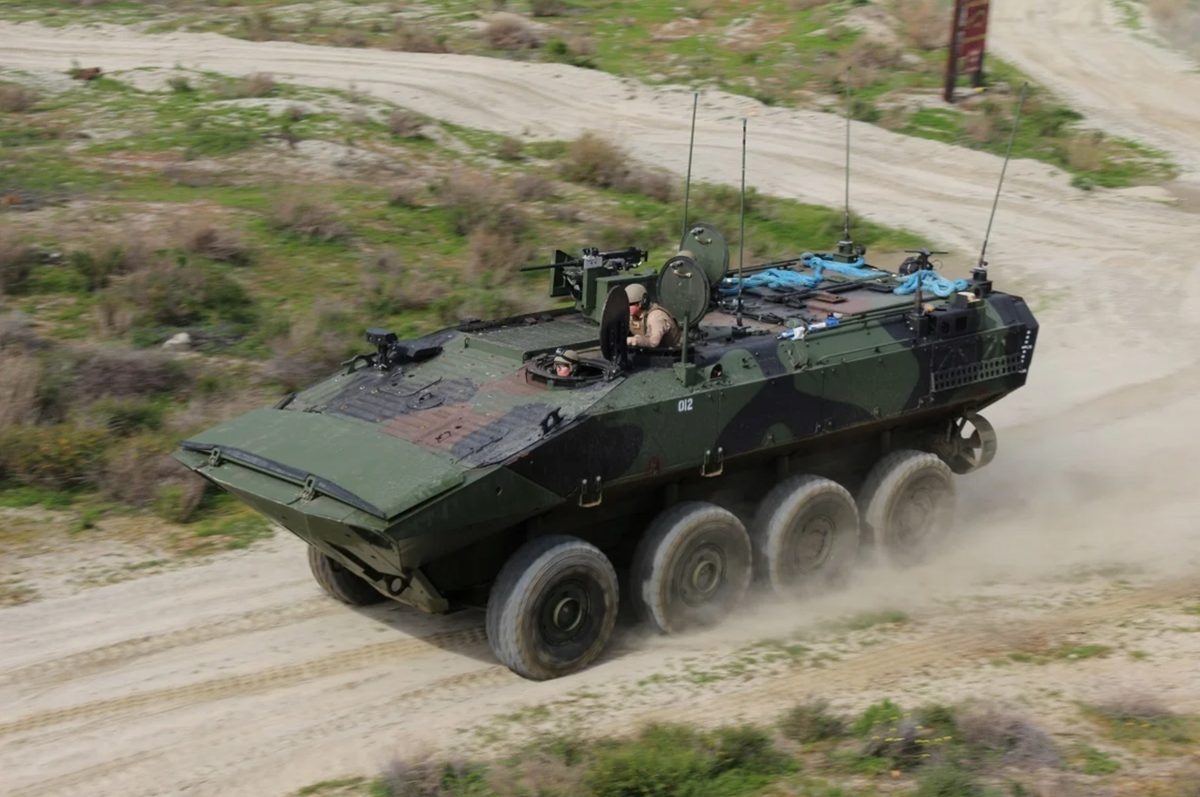
The ACV, built by BAE Systems, was designed from the beginning around a different philosophy: the ocean is not a brief obstacle to cross but an operating environment where the vehicle must be genuinely capable. The difference in approach has produced a vehicle that is faster on land, better protected against mines and IEDs, and, most critically, far more survivable in the water.
The July 30 Tragedy
The accident occurred during a routine shore-to-ship training exercise. Fifteen Marines and a sailor were aboard AAV-7A1 serial number B4, assigned to Bravo Company, Battalion Landing Team 1/4, as part of the 15th Marine Expeditionary Unit. The vehicle was traveling from San Clemente Island to the amphibious assault ship USS Somerset, approximately 2,000 meters offshore.