Ryan Caldwell writes about military decision-making, failed programs, and the tradeoffs behind major defense choices. His work is focused on understanding why systems succeed or fail beyond headlines, promises, and initial expectations.
War is chaos managed poorly. Even the most meticulously planned operations rely on assumptions
that can be wrong, communications that can fail, and timing that can slip. Military history
is full of carefully laid plans undone by small oversights, miscommunications, or simple bad luck.
What makes some mistakes historically significant isn't their size - it's their consequences.
A sentry who falls asleep, a message that arrives late, a weather forecast that proves wrong:
these small failures have changed the outcomes of battles, campaigns, and sometimes entire wars.
The following 15 mistakes weren't necessarily the result of incompetence. Many were made by
capable commanders operating under impossible conditions. Others were the result of systems
designed for one situation encountering another entirely. What they share is this: each
mistake, however minor it seemed at the time, set in motion consequences no one anticipated.
These aren't stories of blame. They're reminders that complexity, friction, and uncertainty
are built into warfare - and that history often turns on moments that seemed trivial until
they weren't.
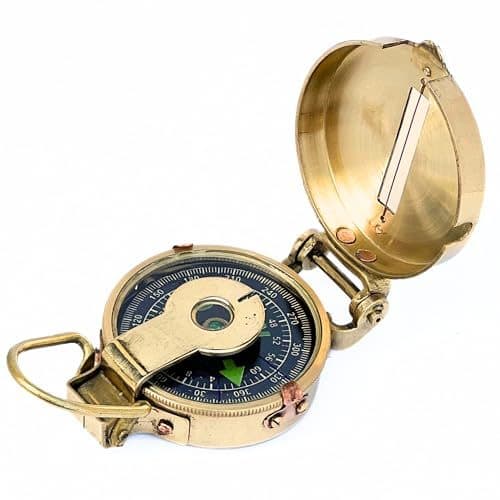
A functional brass compass styled after WW2-era military models, with a flip lid and enough heft to feel like a real artifact. Works as a desk piece, paperweight, or conversation starter.
France spent the 1930s building one of the most impressive defensive fortifications in
history: the Maginot Line, a network of bunkers, gun emplacements, and obstacles along
the Franco-German border. It was designed to make a direct German invasion prohibitively
costly.
The problem was where it ended. The line did not extend along the Belgian border - partly
because Belgium was an ally, partly because the Ardennes Forest was considered impassable
for armored forces. In May 1940, German Panzer divisions drove through the Ardennes,
bypassed the Maginot Line entirely, and reached the English Channel in six weeks.
France fell not because the Maginot Line failed, but because the strategic assumption
behind it - that Germany would attack where the line existed - proved wrong. The most
expensive defensive system in European history was simply walked around.
2. The Delayed Scout Plane at Midway
At the Battle of Midway in June 1942, Japanese scout planes were supposed to search for
American carriers before the main strike launched. One scout plane, from the cruiser
Tone, was delayed 30 minutes due to a catapult malfunction.
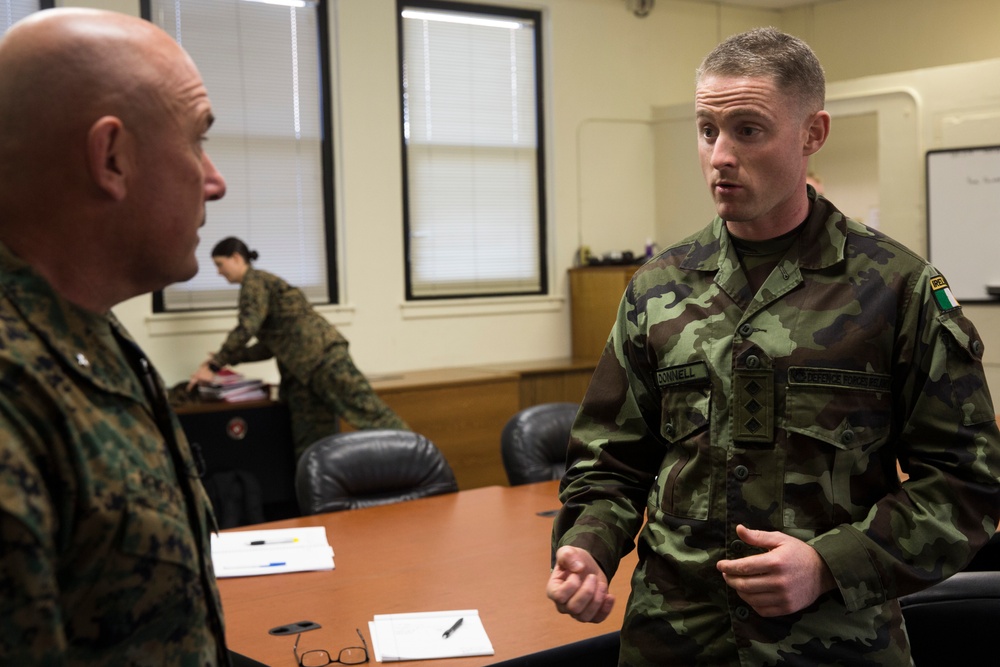
Military planning requires coordination across many moving parts - when timing
fails, consequences cascade (U.S. DoD photo)
That delay meant the scout plane discovered the American fleet later than expected.
When the report finally reached Admiral Nagumo, his aircraft were being rearmed with
bombs for a second strike on Midway Island. The rushed decision to rearm with torpedoes
for a ship attack left bombs and fuel lines scattered across the carrier decks.
American dive bombers arrived during this chaos. Three Japanese carriers were destroyed
in minutes. A 30-minute delay in launching one scout plane contributed to the most
decisive naval defeat in Japanese history.
3. Hitler's Halt Order at Dunkirk
In late May 1940, the British Expeditionary Force was trapped at Dunkirk with their
backs to the sea. German Panzer divisions were positioned to complete the encirclement.
Then, on May 24, Hitler ordered the tanks to halt.
The reasons remain debated: Göring's promise that the Luftwaffe could finish the job,
concern about tank losses in unsuitable terrain, or a desire to preserve armor for the
push south into France. Whatever the reasoning, the halt gave British forces three
critical days.
Operation Dynamo evacuated over 338,000 Allied soldiers. Those troops became the core
of the British Army that would later return to Europe. A tactical pause, whatever its
logic, allowed an army to escape that would otherwise have been captured entirely.
4. The Zimmermann Telegram's Clumsy Delivery
In January 1917, German Foreign Minister Arthur Zimmermann sent a secret telegram to
Mexico proposing a military alliance against the United States. Germany would support
Mexico in reclaiming Texas, New Mexico, and Arizona if war broke out.
The problem: Germany routed the telegram through diplomatic channels that British
intelligence had already compromised. Room 40, Britain's codebreaking unit, intercepted
and decrypted the message.
When the telegram was published in American newspapers, public opinion shifted
dramatically. The United States declared war on Germany two months later. A clumsy
communication decision brought a neutral superpower into the war.
5. The Map That Wasn't Waterproof
During Operation Market Garden in September 1944, British paratroopers dropped near
Arnhem to capture a crucial bridge. Intelligence suggested the area was lightly
defended. It wasn't - two SS Panzer divisions were refitting nearby.
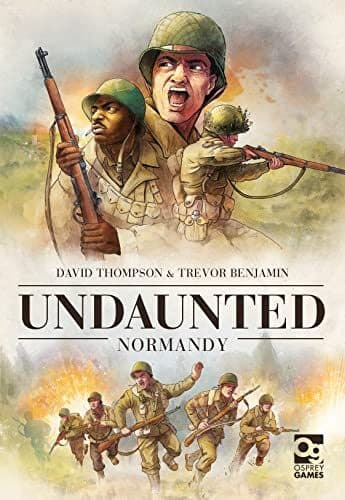
Combines deck-building mechanics with tactical WW2 combat. Each card in your deck represents a soldier, and when that soldier takes casualties, the card is removed from your deck permanently. Losses feel personal in a way that pushing wooden cubes around never achieves.
Worse, radio communications failed almost immediately. The radios issued to the troops
operated on frequencies blocked by the local terrain and urban environment. Coordination
between scattered units became nearly impossible.
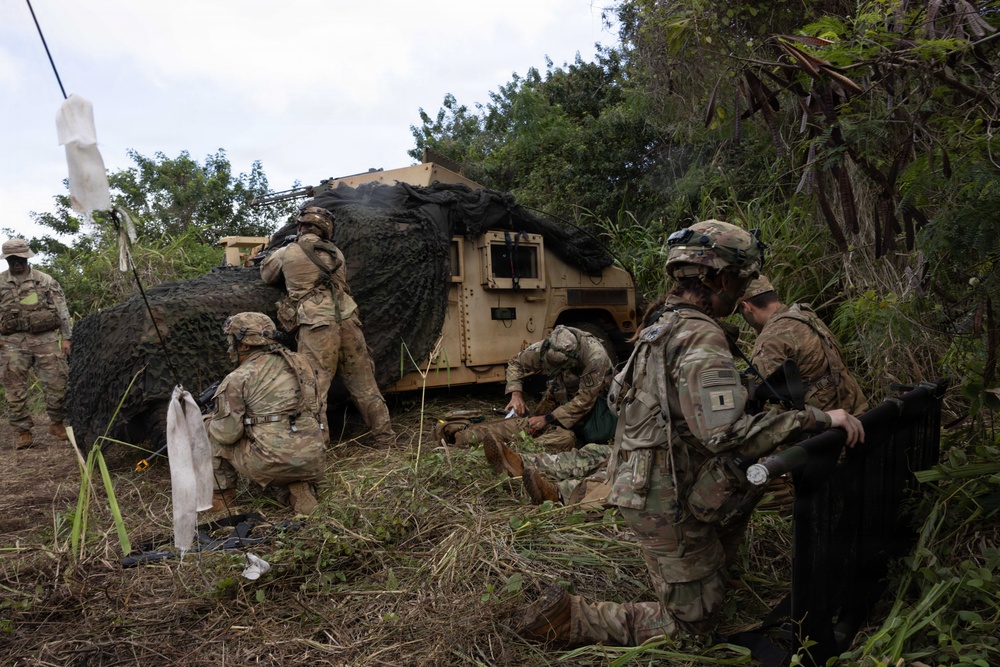
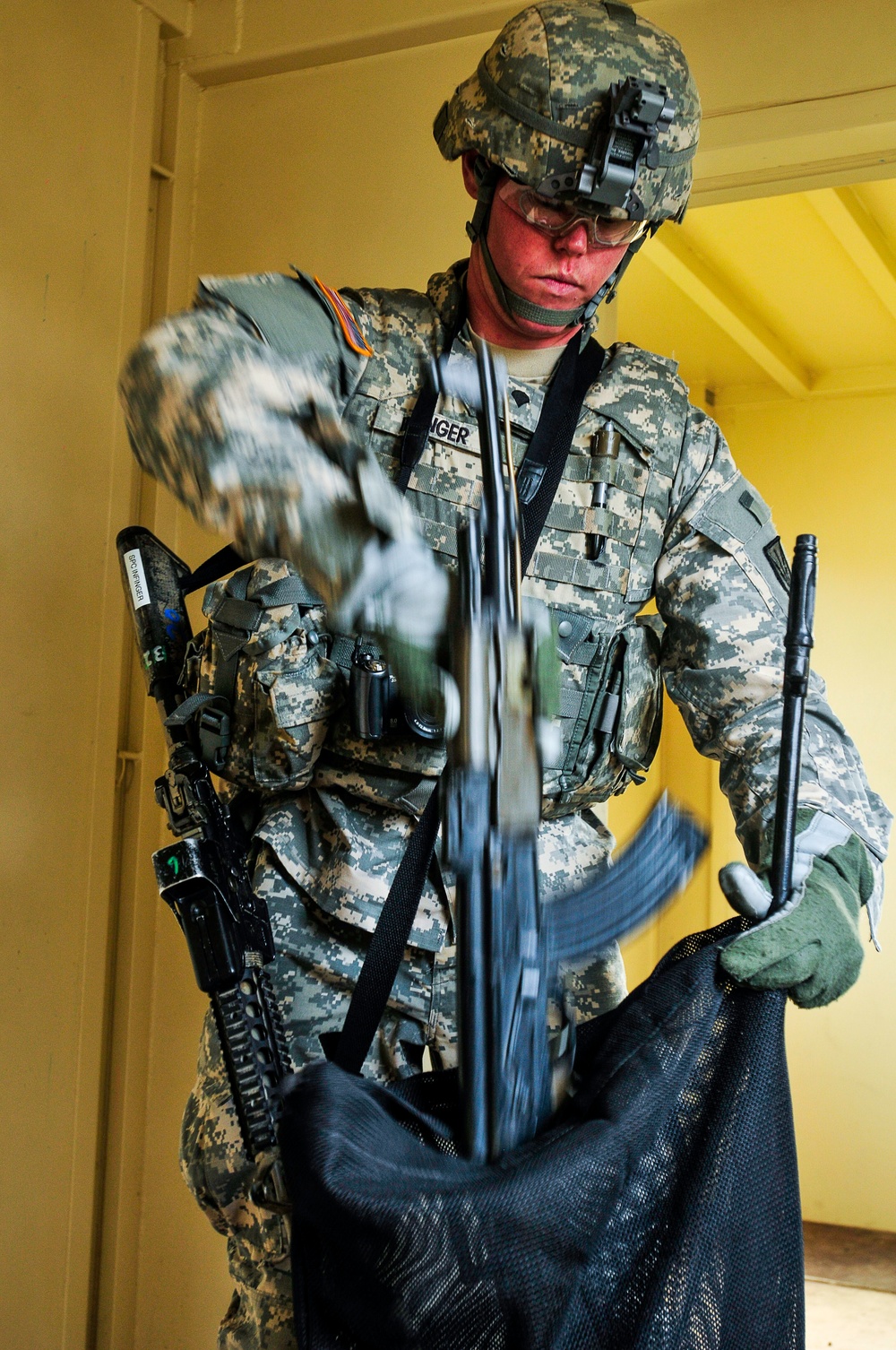
Training exercises help identify potential failures, but real operations
reveal problems no exercise anticipated (U.S. DoD photo)
The operation failed. "A bridge too far" became a lasting phrase for overreach.
Equipment failures that might have been caught in testing instead revealed themselves
in combat, when there was no time to fix them.
6. Pearl Harbor's Radar Warning Ignored
At 7:02 AM on December 7, 1941, two privates operating a mobile radar station at
Opana Point, Hawaii, detected a large formation of aircraft approaching from the north.
They called the information center at Fort Shafter.
The lieutenant on duty assumed the contacts were a flight of B-17 bombers expected
from California. "Don't worry about it," he said. Fifty-three minutes later, the
first Japanese bombs fell on Pearl Harbor.
The radar worked. The warning reached the right place. But a reasonable assumption -
that the incoming aircraft were friendly - prevented anyone from acting on information
that could have provided precious additional minutes of warning.
7. Napoleon's Missing Intelligence at Waterloo
On June 18, 1815, Napoleon believed he faced only Wellington's army at Waterloo. He
had sent Marshal Grouchy to pursue the retreating Prussians and prevent them from
rejoining the fight.
Grouchy followed orders too literally. When he heard cannon fire from Waterloo, his
subordinates urged him to march toward the sound of the guns. Grouchy refused - his
orders were to pursue the Prussians, and pursue he would.
The Prussians Grouchy was chasing were, in fact, marching to Waterloo. They arrived
on Napoleon's right flank as the battle reached its climax. Grouchy's corps arrived
nowhere. Napoleon's final defeat came partly because one commander followed orders
instead of responding to the situation in front of him.
8. The Charge of the Light Brigade
On October 25, 1854, during the Battle of Balaclava, British cavalry received orders
to prevent Russians from removing captured Turkish artillery. The order was vague;
the officer delivering it gestured imprecisely toward the battlefield.
The Light Brigade's commander, Lord Cardigan, interpreted the order as directing a
frontal assault on a well-defended Russian artillery position at the end of a valley
surrounded by enemy guns.
Clear communication is essential in military operations - ambiguity costs lives
(U.S. DoD photo)
The brigade charged. Of 670 men, 278 were killed or wounded. A garbled order and an
imprecise gesture turned what should have been a tactical maneuver into a famous
disaster. "C'est magnifique, mais ce n'est pas la guerre," observed a French officer.
9. The German Codebook Lost at Sea
In August 1914, the German light cruiser Magdeburg ran aground in the Baltic Sea.
Russian divers recovered the body of a drowned signalman - and with it, a copy of
the German naval codebook.
Russia shared the codebook with Britain. For much of World War I, British intelligence
could read German naval communications, contributing to their ability to anticipate
German movements and, ultimately, to intercept the Zimmermann Telegram.
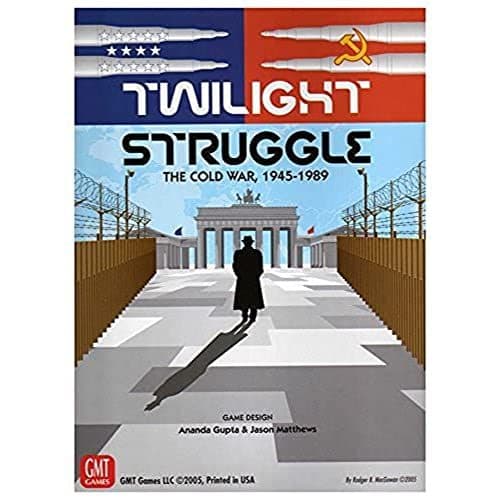
Ranked #4 all-time on BoardGameGeek with an 8.33 rating across 60,000+ reviews. Two players wrestle for global influence as the US and USSR from 1945 to 1989. Every card in the deck is a real historical event, and many force you to play your opponent's events to use them. That tension is what makes the game sing.
A ship running aground in the wrong place, a body that should have been weighted
down, a codebook that should have been destroyed - a chain of small failures gave
the Allies an intelligence advantage that lasted years.
10. The Wrong Turn at Sarajevo
On June 28, 1914, Archduke Franz Ferdinand's driver took a wrong turn in Sarajevo.
The car stalled while attempting to reverse. By coincidence, it stopped directly in
front of Gavrilo Princip, one of the conspirators who had failed to kill the Archduke
earlier that day.
Princip fired twice. The Archduke and his wife died within the hour. Austria-Hungary's
response triggered a chain of alliances and mobilizations that produced World War I.
A driver's wrong turn didn't cause the war - the underlying tensions were already
explosive. But it did determine the spark that ignited them. Sometimes history hinges
on a navigation error.
11. The Unguarded Gate at Constantinople
In 1453, the Byzantine defenders of Constantinople had successfully repelled Ottoman
assaults for weeks. The massive walls seemed impregnable. But on the night of May 28,
someone left a small gate - the Kerkoporta - unbolted.
Ottoman soldiers discovered the open gate and poured through. Confusion spread along
the walls. Rumors that the city had fallen became self-fulfilling as defenders
abandoned their posts. Constantinople fell the next morning.
The Eastern Roman Empire ended not with a dramatic final battle but with an unlocked
door. A thousand years of history concluded because someone forgot to throw a bolt.
12. The Underestimated Frozen Reservoir
In late November 1950, American forces advanced toward the Yalu River in North Korea,
confident that Chinese intervention would be limited. Intelligence had detected Chinese
forces but underestimated their numbers by an order of magnitude.
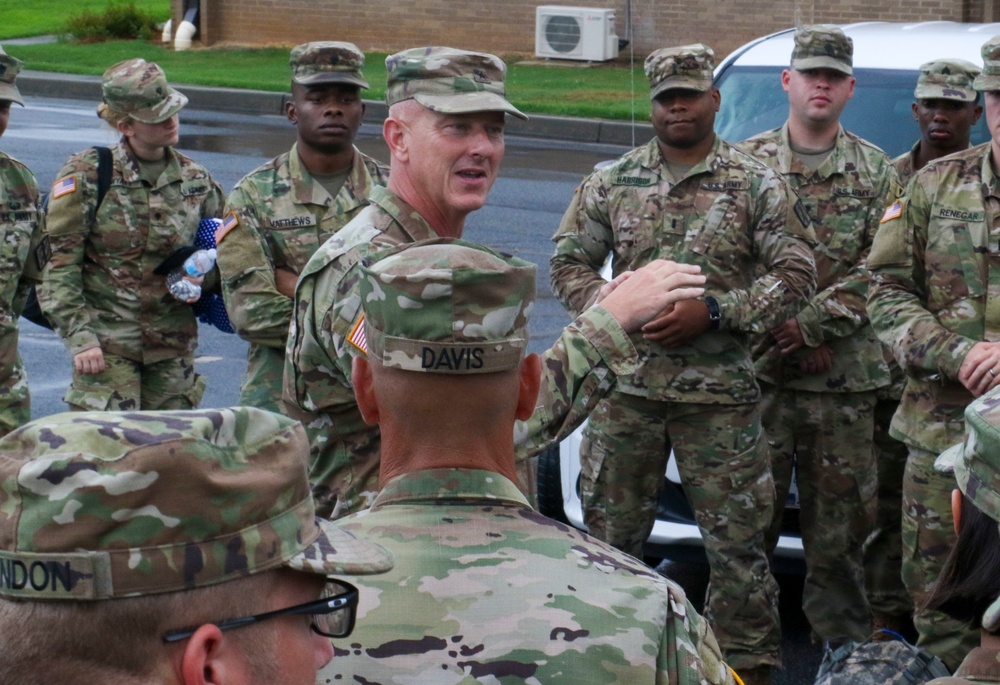
Command decisions rely on intelligence assessments - when those assessments
are wrong, plans collapse (U.S. DoD photo)
When 120,000 Chinese soldiers attacked at the Chosin Reservoir, American and allied
forces were caught in brutal winter conditions they hadn't prepared for. The fighting
retreat that followed became one of the most harrowing episodes of the Korean War.
The mistake wasn't individual but systemic: intelligence that told commanders what
they wanted to hear, assumptions that the enemy couldn't do what they were about to do.
13. The Message That Arrived Too Late
On January 8, 1815, Andrew Jackson's forces defeated a British army at the Battle of
New Orleans. It was a decisive American victory - and entirely unnecessary. The Treaty
of Ghent, ending the War of 1812, had been signed two weeks earlier.
News of the peace simply hadn't arrived yet. In an era before telegraphs, information
traveled at the speed of ships. Thousands of men fought and died in a battle that
changed nothing about the war's outcome.
The battle did, however, make Andrew Jackson a national hero - propelling him
eventually to the presidency. A communication delay shaped American politics for
a generation.
14. The Fuel Miscalculation in the Ardennes
When Germany launched the Ardennes Offensive in December 1944, the plan depended on
capturing Allied fuel depots intact. German logistics couldn't support an extended
offensive; the operation needed to capture American supplies to keep moving.
American forces, retreating in some areas, destroyed fuel depots rather than let
them fall into German hands. The German advance slowed, then stopped. Panzers ran
dry within sight of their objectives.
The Battle of the Bulge failed not because German soldiers lacked courage but because
the offensive was planned around assumptions about fuel availability that proved
optimistic. Logistics, once again, determined what was possible.
15. The Incorrect Weather Forecast
On June 4, 1944, General Eisenhower faced an agonizing decision. The D-Day invasion
was scheduled for June 5, but weather over the English Channel was terrible. His
meteorologists offered a slim window: conditions might improve briefly on June 6.
German meteorologists, using different data and models, predicted the bad weather
would continue. Rommel left France to visit his wife. Many German commanders stood
down, confident no invasion was imminent.
Eisenhower gambled on his forecast. The weather window held. German defenders were
caught unprepared. A weather prediction that could have gone either way - made on
incomplete data with imperfect models - shaped the timing of the largest amphibious
invasion in history.
Why Mistakes Tell Us More Than Victories
These fifteen mistakes span centuries and continents, but they share common features.
None were obviously foolish at the time. Most were made by competent people operating
under uncertainty with incomplete information. Many resulted from systems that worked
fine in normal conditions but failed when stressed.
The temptation when studying military mistakes is to judge with hindsight - to wonder
how anyone could have been so blind. But hindsight is a luxury no one in the moment
possesses. The commander making decisions at 3 AM with fragmentary reports doesn't
know which pieces of information matter.
What these stories actually reveal is the fragility of plans. War is a system of
interconnected decisions, communications, and actions. A failure at any point - a
late scout plane, a wrong turn, an unlocked gate - can cascade into consequences
no one anticipated.
This is why military professionals study mistakes more carefully than victories.
Success often obscures its own causes; failure demands explanation. Every mistake
on this list led to changes in doctrine, training, or organization - attempts to
ensure the same failure wouldn't happen twice.
They won't all succeed. New mistakes will be made, different from the old ones but
equally unpredictable. That's not cynicism - it's realism about what happens when
human organizations operate under pressure in complex environments. The goal isn't
to eliminate mistakes entirely. It's to learn from them faster than the enemy does.
Frequently Asked Questions
What was the significance of the Maginot Line's design flaw?
The Maginot Line was a series of French fortifications designed to deter German
invasion. However, it did not extend along the Belgian border, allowing German
forces to simply go around it through Belgium and the Ardennes Forest in 1940,
leading to France's rapid defeat.
How did a navigation error change the Pacific War?
During the Battle of Midway in 1942, Japanese scout planes were delayed in
launching, which meant they discovered the American fleet later than expected.
This delay gave US forces a crucial advantage in timing their attacks,
contributing to a decisive American victory that shifted the balance of power
in the Pacific.