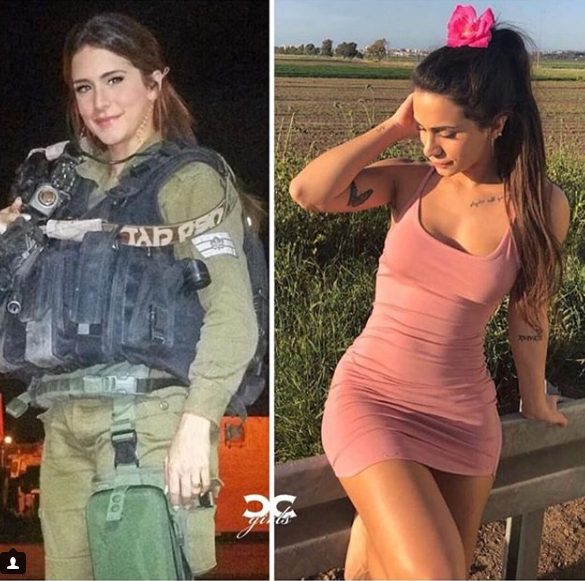
The Final March Is 75 Miles in 3 Days

Every combat unit in the IDF has a masa kumta, a final beret march that serves as the culminating event of basic training. For some units, this means marching 40 to 120 kilometers (roughly 25 to 75 miles) over two to three days, carrying full combat gear, weapons, and stretchers loaded with sandbags. It's a tradition that has remained virtually unchanged for decades, and it's the same distance for women as it is for men.
The final march is as much a psychological test as a physical one. By the second day, every muscle screams for relief and blisters have turned feet into raw wounds. Soldiers push through on willpower, unit cohesion, and the knowledge that the beret waiting at the finish line represents something that can never be taken away. Women who complete the march describe it as the most difficult and most meaningful physical achievement of their lives, harder than any workout program, marathon, or civilian endurance event they'll ever face.
Graduation Ceremony at the Western Wall

Many IDF units hold their graduation and beret ceremonies at the Western Wall in Jerusalem, one of the holiest sites in Judaism and among the most emotionally charged locations in the world. For the women who've spent months in grueling training, receiving their beret at the Wall is an experience that connects personal achievement with thousands of years of history. Families travel from across the country to watch their daughters become soldiers.
The ceremony typically takes place at night, with the ancient stones of the Wall illuminated behind rows of newly minted soldiers. It's a moment where individual struggle meets collective identity, these women have earned their place in a military that stretches back to the country's founding. Tears are common. So is an overwhelming sense of pride. For many, this ceremony marks the transition from girl to woman, from civilian to defender. It's the moment everything changes.
Most Women Travel the World After Service

When Israeli women finish their military service, they don't immediately start college or careers. They travel, and they travel big. The post-IDF trip is a deeply ingrained cultural tradition, with popular destinations including South America, Southeast Asia, India, and Australia. After two years of discipline, structure, and stress, the urge to explore is overwhelming. Entire hostels in Thailand and Peru are essentially filled with recently discharged Israeli soldiers.
This Israel travel tradition creates a global network of young veterans who share an unbreakable bond. They find each other in hostels from Cusco to Chiang Mai, swapping military stories and travel tips in Hebrew. The trips often last three to six months, funded by the post-service savings that accumulated during their time in uniform. It's a decompression period that the culture understands as essential, a chance to process the intensity of service before moving on to the next chapter of civilian life.
Military Experience Gets You Into Top Universities

Israeli universities start receiving students who are 21 or 22, years older than freshmen in most countries, and admissions committees know exactly why. Military service isn't just accepted on college applications; it's expected, and the skills developed during service give veterans a significant edge. Women who served in intelligence, cybersecurity, or leadership roles are actively recruited by top programs in engineering, computer science, and business.
The advantage extends beyond Israeli institutions. Universities worldwide, including top programs in the US and Europe, increasingly recognize IDF service as equivalent to years of professional experience. Admissions essays about leading soldiers under fire or managing defense technology systems carry a weight that summer internships can't match. For women who served in elite units, the combination of military experience and the maturity that comes with it opens doors to the most competitive college programs on the planet.
Silicon Valley Actively Recruits IDF Veterans

It's no secret that the tech industry has a pipeline running directly from IDF intelligence and cybersecurity units to Silicon Valley boardrooms. Companies like Google, Microsoft, and Amazon actively recruit Israeli veterans, and the competition for graduates from units like 8200 is fierce. Women from these units arrive with hands-on experience in areas that most tech employees only read about, real-world cybersecurity threats, large-scale data analysis, and classified defense technology projects.
The military career-to-tech career pipeline has made Israel the second-largest tech ecosystem in the world after the United States, and women are increasingly at the center of it. Female IDF veterans have founded cybersecurity companies valued in the billions, led engineering teams at major tech firms, and become venture capitalists funding the next generation of startups. The skills that made them effective soldiers, analytical thinking, leadership under pressure, and technical expertise, make them devastating in the private sector.
Gal Gadot Was a Combat Fitness Instructor

Before she was Wonder Woman, before the red carpets and blockbuster films, Gal Gadot was a 20-year-old combat fitness instructor in the IDF. She served her mandatory two years and spent her service designing and leading workout programs for combat soldiers. When she later won the Miss Israel pageant and was cast by Hollywood, she credited her military service with giving her the discipline and physical confidence that defined her career.
Gadot isn't shy about her service, she's spoken publicly about how the IDF shaped her work ethic, her physical capabilities, and her understanding of what women can achieve. She's far from the only celebrity to have served. The list of famous IDF alumni includes supermodels, tech billionaires, Olympic medalists, and international diplomats. In Israel, military service isn't something celebrities hide, it's something they reference with pride. It's the shared experience that grounds every Israeli, regardless of what comes after.
Many Return as Career Officers

While most women complete their mandatory two years and move on, a growing number are choosing to stay and build a full military career. Career officers in the IDF sign on for additional years of service, taking on increasingly senior leadership positions, specializing in fields like intelligence, operations planning, or defense technology, and earning salaries that become competitive with the private sector at higher ranks.
For women who thrive in the military environment, the career path offers something the civilian world often doesn't, rapid advancement based purely on merit, genuine life-or-death responsibility at a young age, and the knowledge that your work directly protects your country. Female career officers now serve as brigadier generals, lead major operations, and shape military policy. The military career path that was once closed to women is now one of the most compelling professional options available to them.
Most Women Travel the World After Service

The moment an Israeli woman finishes her military service, the entire world opens up. The post-army trip, known as "the big trip", is one of Israel's most defining cultural traditions. Tens of thousands of recently discharged soldiers flood airports every year, heading to South America, Southeast Asia, India, and Australia on extended backpacking journeys that last anywhere from three months to a full year. Israel travel culture is unlike anything else on the planet.
These aren't casual vacations. After two years of 5 AM wake-ups, weapons drills, and operating under constant pressure, former soldiers crave the kind of radical freedom that only long-term travel provides. Hostels across Peru, Thailand, and Nepal have Hebrew signs on their walls because the post-IDF crowd is that significant. The trips serve as a decompression valve, a chance to process the intensity of military service before transitioning into university or the workforce. It's a rite of passage built on top of a rite of passage, and it produces some of the most resilient, worldly young women on Earth.
Military Experience Gets You Into Top Universities
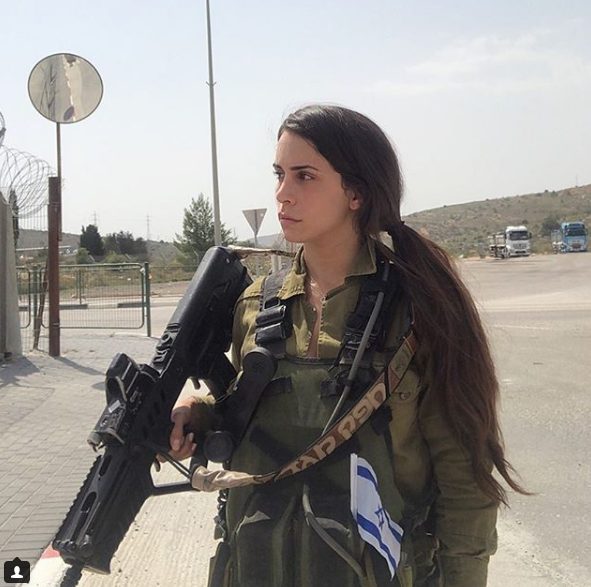
When Israeli women finally sit down in a college lecture hall, they're typically 21 or 22 years old, and they carry an edge that no standardized test can measure. University admissions committees in Israel and abroad treat IDF service as serious professional experience, and women who served in intelligence, cybersecurity, or combat leadership roles are aggressively recruited by elite programs in engineering, computer science, law, and medicine. The military advantage in college admissions is real and measurable.
Top universities in the United States and Europe have caught on too. Admissions essays describing real-world intelligence operations, leadership under live-fire conditions, or managing classified defense technology projects carry a gravity that summer internships and volunteer trips simply cannot replicate. Programs at MIT, Stanford, Harvard, and the Technion actively seek IDF veterans because they arrive with maturity, discipline, and problem-solving skills forged under extraordinary pressure. For women coming out of elite units, the college application process isn't a hurdle, it's a formality.