#40, F/A-18 Super Hornet: The Navy's Do-Everything Fighter
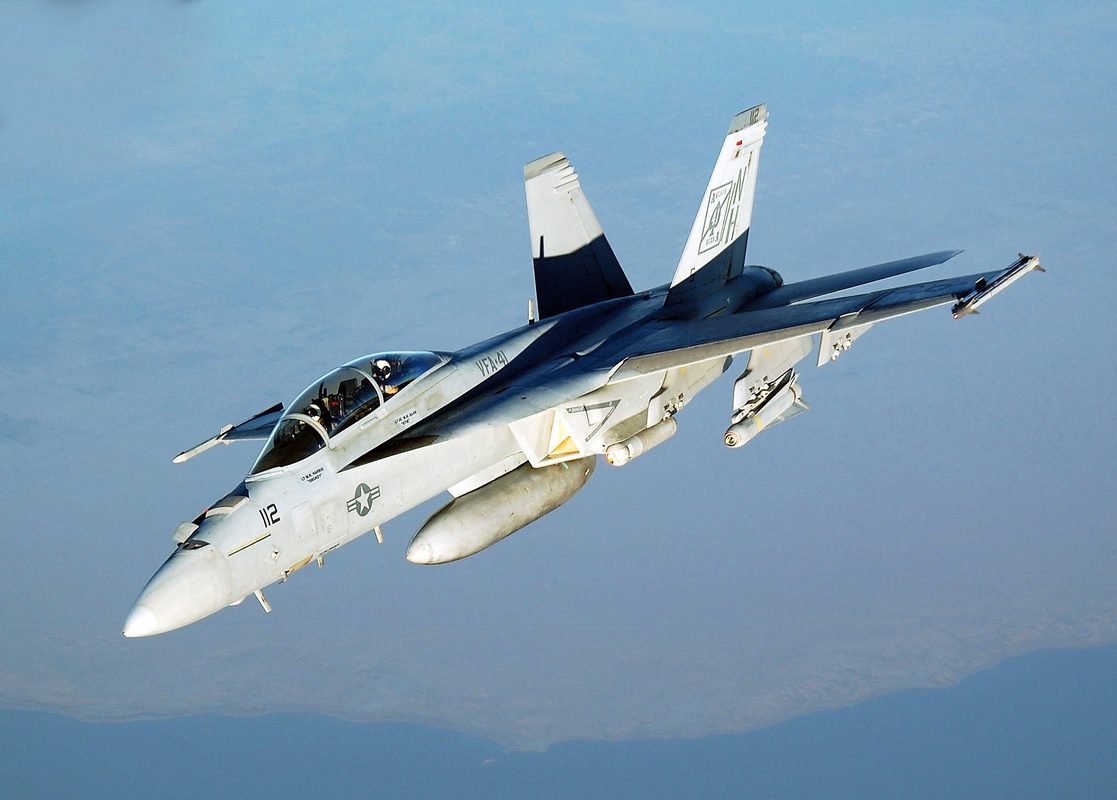
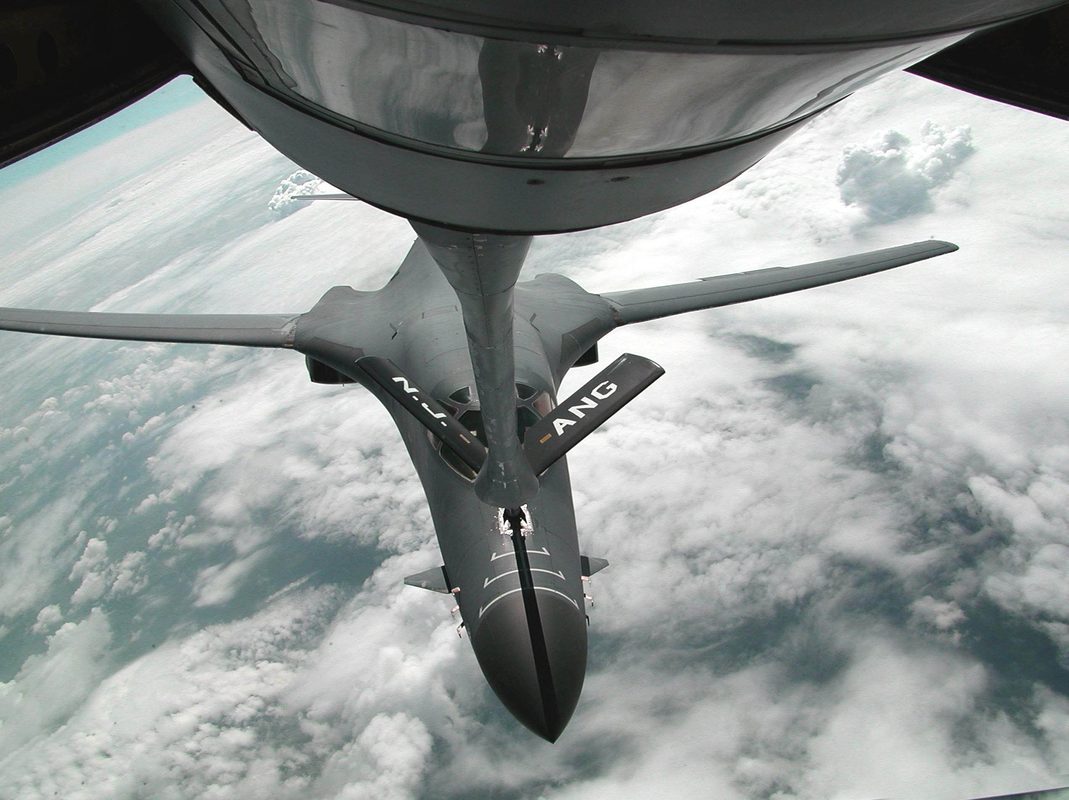
The Boeing F/A-18E/F Super Hornet is the most combat-tested fighter of the 21st century. It has flown strike missions over Iraq, Afghanistan, Syria, and Libya while simultaneously serving as the U.S. Navy's primary air superiority fighter, electronic attack platform (EA-18G Growler variant), and aerial refueling tanker. No other aircraft in any navy's inventory can match its combination of versatility, reliability, and carrier compatibility.
The Super Hornet replaced the F-14 Tomcat, A-6 Intruder, and S-3 Viking, absorbing the missions of three different aircraft into one airframe. Its combat radius, payload capacity, and sensor suite make it a formidable multirole platform, and the Block III upgrade adds conformal fuel tanks, advanced networking, and a reduced radar signature. Over 600 have been delivered to the U.S. Navy and Royal Australian Air Force. While the F-35C is gradually assuming more of the air wing's workload, the Super Hornet will remain the backbone of carrier aviation through the 2040s, a testament to the value of proven, reliable military equipment over bleeding-edge defense technology.
#39, Su-27 Flanker: The Most Maneuverable Big Fighter Ever Built
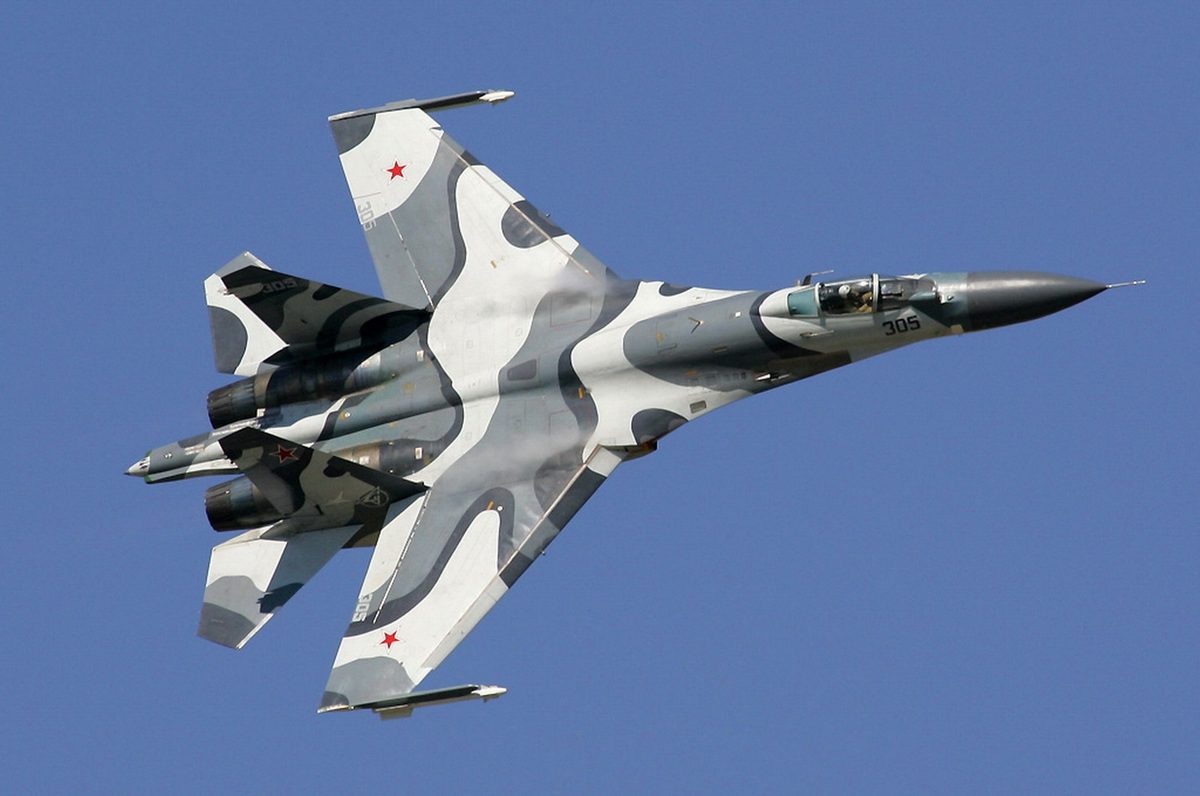
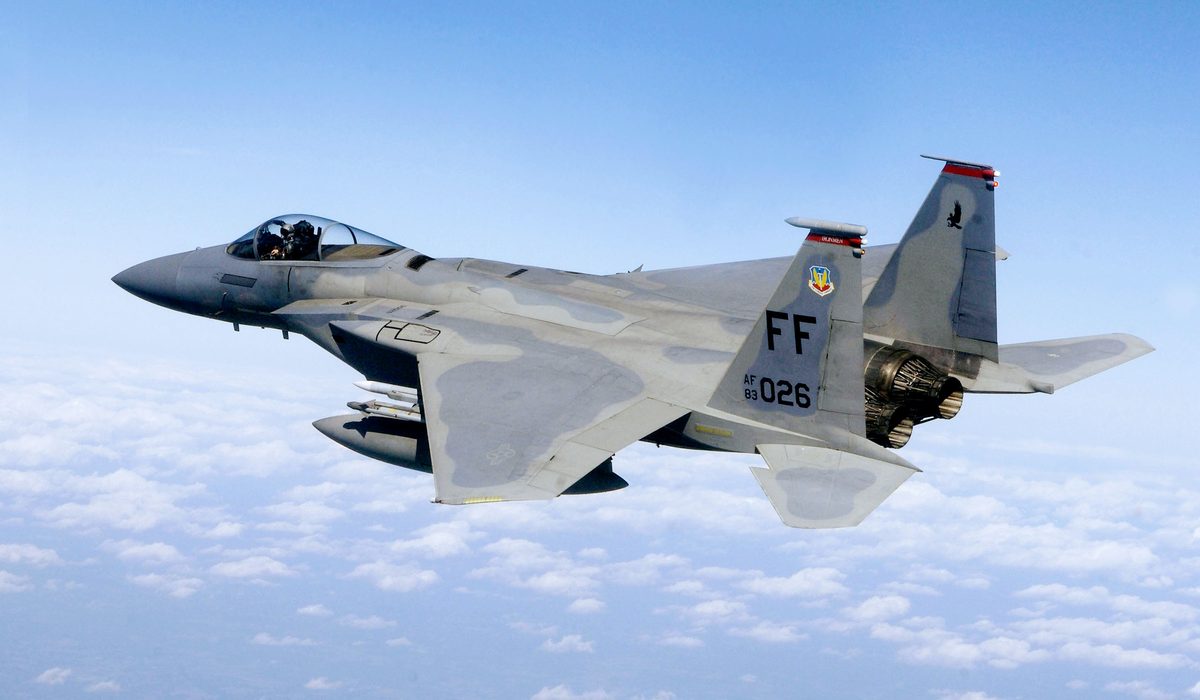
The Sukhoi Su-27 Flanker stunned the Western world at the 1989 Paris Air Show when test pilot Viktor Pugachev performed a maneuver that seemed to defy physics, pitching the aircraft's nose up past 120 degrees while maintaining forward flight, then recovering smoothly. "Pugachev's Cobra" demonstrated that the Su-27 possessed aerodynamic capabilities that no Western fighter could match, and it signaled that Soviet aerospace engineering had produced a world-class air superiority platform.
The Flanker was designed as the Soviet answer to the F-15 Eagle, and in terms of raw maneuverability, it exceeded its rival. Its blended wing-body design, widely spaced engines, and relaxed static stability gave it extraordinary agility. The Su-27 has spawned the most successful family of fighters outside the West, the Su-30, Su-33, Su-34, and Su-35, with over 1,600 total variants built. These aircraft serve as the backbone of the Russian, Chinese, and Indian air forces. As a design platform, the Flanker's influence on non-Western military aviation is unmatched.
#38, U-2 Dragon Lady: Stopped a Nuclear War
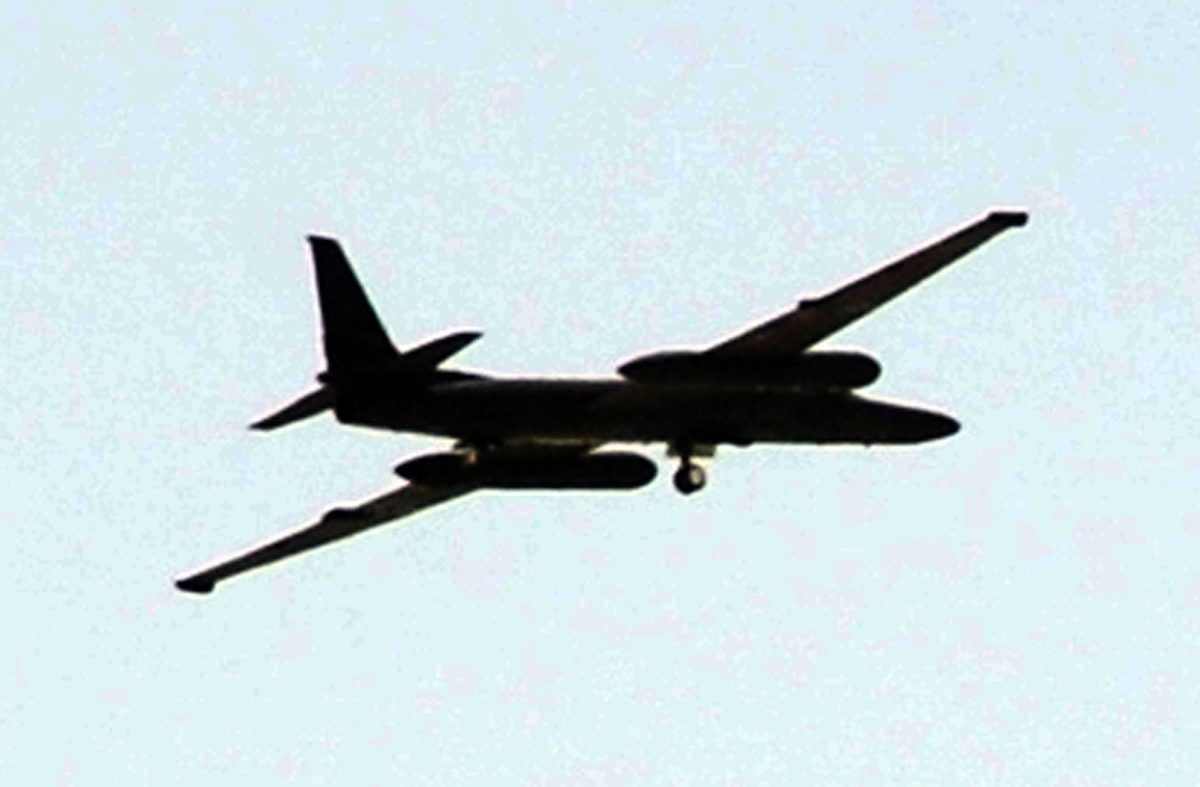
On October 14, 1962, a U-2 flown by Major Richard Heyser photographed Soviet nuclear missile installations under construction in Cuba, photographs that triggered the Cuban Missile Crisis, the closest the world has come to nuclear war. Without the U-2's ability to fly above 70,000 feet and photograph targets from the edge of space, the missiles might not have been discovered until they were operational. The intelligence the U-2 provided gave President Kennedy the time and evidence to force a Soviet withdrawal.
Designed by Kelly Johnson at the Skunk Works in the 1950s, the U-2 is essentially a jet-powered glider with a 103-foot wingspan and the ability to loiter at altitudes where pilots must wear pressure suits. It has been in continuous service for over 65 years, longer than any other military aircraft except the B-52, and still flies intelligence missions today. The U-2 was famously shot down over the Soviet Union in 1960, creating an international incident, but the intelligence it gathered during the Cold War was irreplaceable. In the history of military technology and reconnaissance, no single aircraft has had a greater impact on geopolitical decisions.
#37, C-47 Skytrain: One of the Four Weapons That Won the War
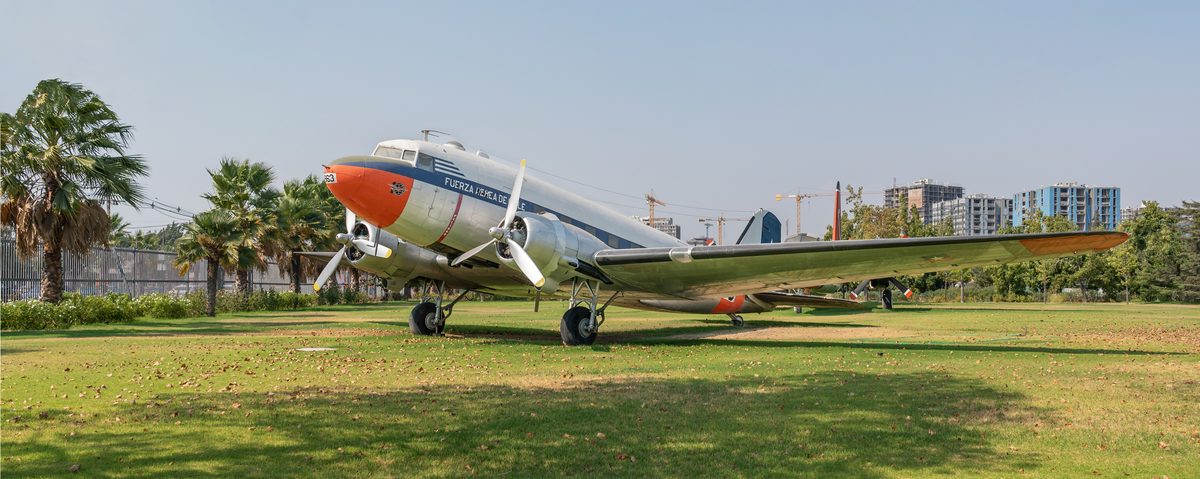
On the night of June 5-6, 1944, over 800 C-47 Skytrains dropped 13,000 paratroopers behind the Normandy beaches, the largest airborne assault in history up to that point. By war's end, C-47s had dropped 60,000 paratroopers into combat and carried 300,000 wounded soldiers to rear-area hospitals. Dwight Eisenhower ranked the C-47 alongside the bazooka, the jeep, and the atomic bomb as the four weapons that most contributed to Allied victory.
The military version of the Douglas DC-3 airliner, the C-47 was simple, rugged, and ubiquitous. It flew the Hump, the treacherous Himalayan supply route to China, where turbulence and icing killed hundreds of crews. It supplied besieged forces at Bastogne and dropped supplies to Partisans across occupied Europe. After the war, C-47s flew the Berlin Airlift. Over 10,000 were built, and amazingly, some are still flying commercially today, more than 80 years later. For logistics experts and military history enthusiasts, the C-47 proved that the unglamorous transport aircraft can be as decisive as any fighter or bomber.
#36, B-24 Liberator: America's Most-Produced Warplane
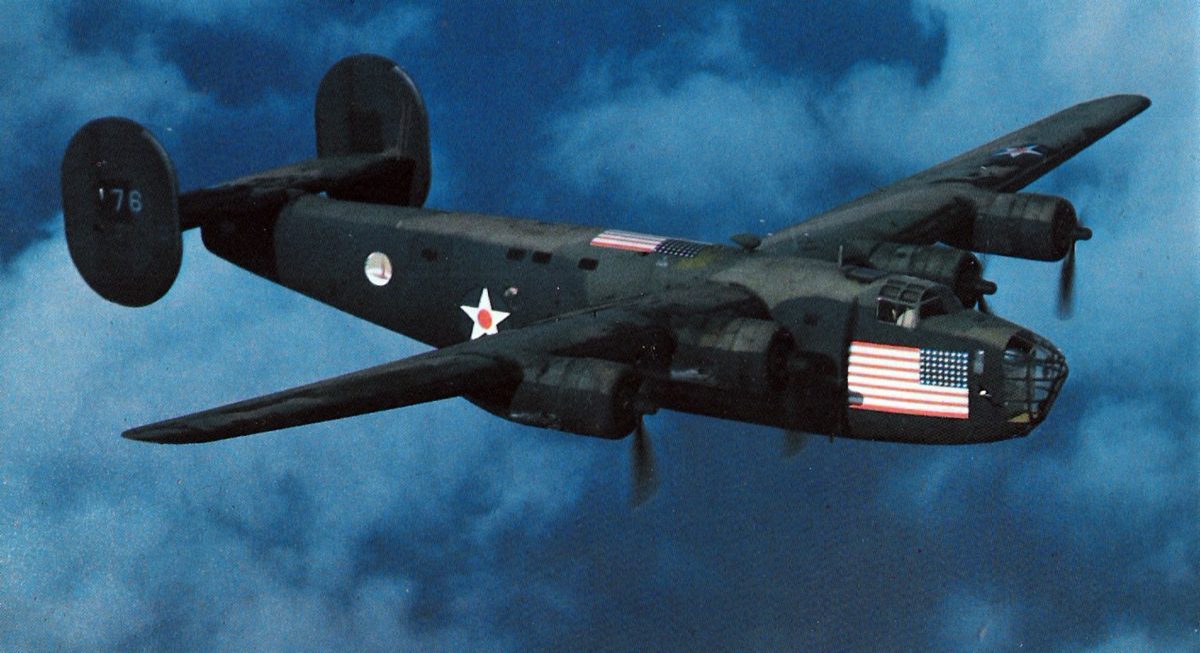
Approximately 18,500 Consolidated B-24 Liberators were produced, making it the most-produced American military aircraft and the most-produced multi-engine aircraft in history. Ford's Willow Run plant alone turned out one B-24 every 59 minutes at peak production, a feat of industrial might that remains almost incomprehensible. The Liberator served in every theater of World War II and in every Allied air force, from the USAAF to the RAF to the Soviet Union.
The B-24's high-mounted Davis wing gave it longer range and greater speed than the B-17, making it the preferred bomber for the vast distances of the Pacific and the anti-submarine campaign in the Atlantic. Liberators flew the epic low-level raid on the Ploesti oil refineries in Romania, one of the most costly and daring missions in aviation history. The B-24 also served as a naval patrol bomber, transport (C-87), and fuel tanker (C-109). It may lack the B-17's romantic reputation, but by production numbers and operational reach, the Liberator was the most important American bomber of World War II and a triumph of defense technology mass production.
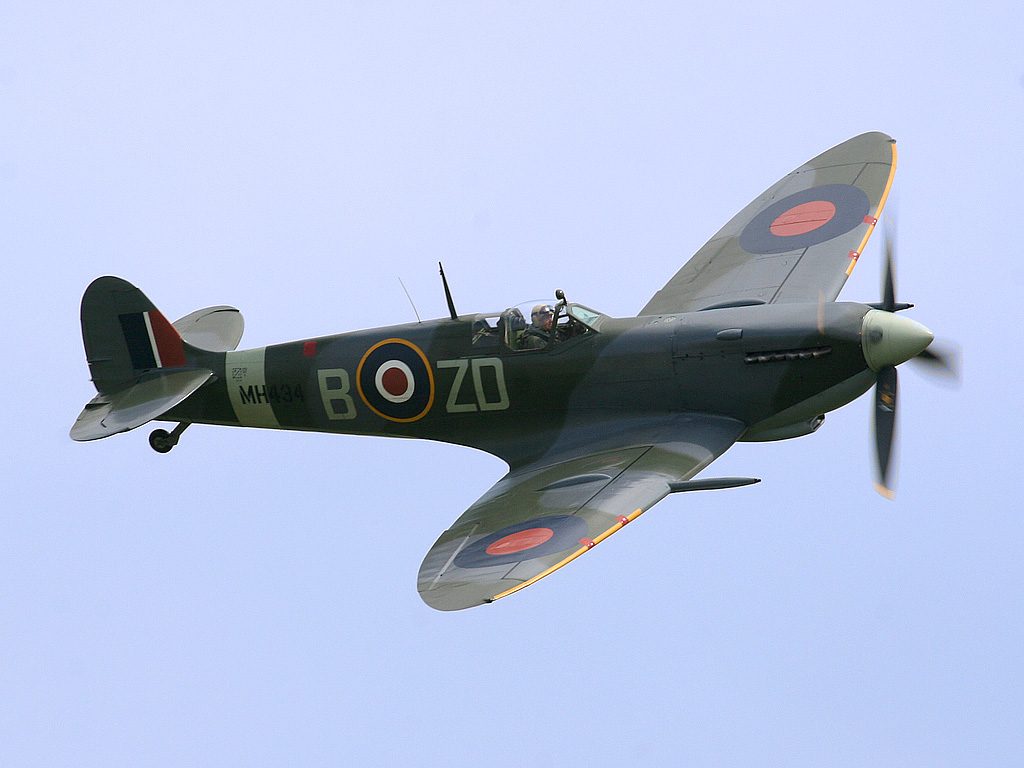
#35, Hawker Hurricane: Actually Won the Battle of Britain
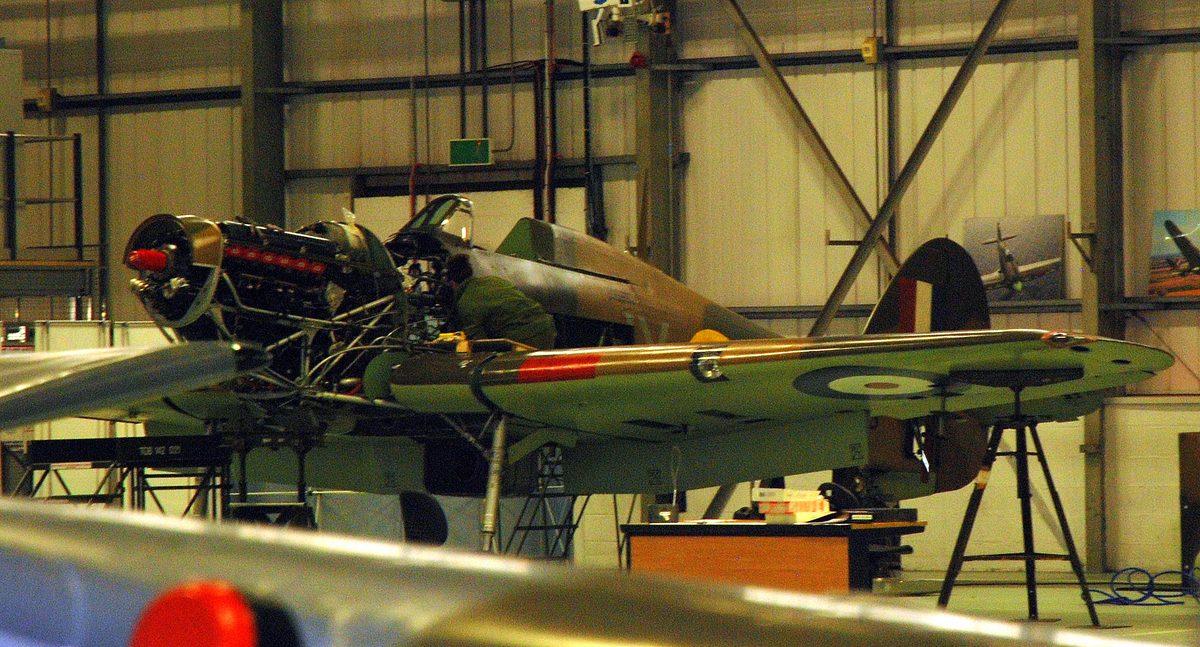
The Supermarine Spitfire gets the glory, but the Hawker Hurricane scored 60% of all Luftwaffe kills during the Battle of Britain. There were simply more Hurricanes available, 32 squadrons versus 19 Spitfire squadrons, and RAF Fighter Command's tactical doctrine typically sent Hurricanes against the bomber formations while Spitfires tangled with the escorting Bf 109s. The Hurricane was the workhorse that actually broke the Luftwaffe's offensive in the summer of 1940.
The Hurricane was also simpler to build, easier to repair, and more forgiving to fly than the Spitfire, critical advantages when pilot training programs were producing replacement pilots as fast as possible. Its fabric-covered fuselage and thick wings could absorb bullet damage that would cripple the Spitfire's stressed aluminum skin. Cannon rounds often passed through the fabric without detonating. Over 14,500 Hurricanes were built, and they served in every theater of the war, including as catapult-launched convoy defenders in the Battle of the Atlantic. In military aviation history, the Hurricane is the most underrated fighter ever built.
#34, Ju 87 Stuka: The Sound of Blitzkrieg
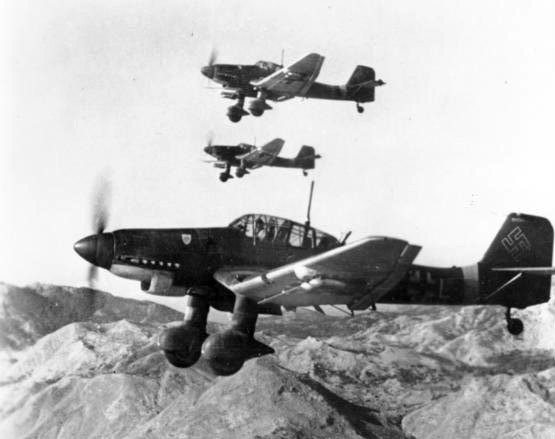
The Junkers Ju 87 Stuka was fitted with wind-driven sirens, "Jericho trumpets", on its landing gear that produced a terrifying wail during dive bombing attacks. That sound became the auditory signature of Blitzkrieg, as Stukas spearheaded the German invasions of Poland, France, and the Balkans with devastating precision. Hans-Ulrich Rudel, flying a Stuka, destroyed 519 tanks, a battleship, a cruiser, and 70 landing craft, the most prolific combat record of any pilot in military history.
The Stuka's fixed landing gear and angular design made it slow and vulnerable to modern fighters, and it suffered catastrophic losses during the Battle of Britain. But in the ground attack role over the Eastern Front, where the Luftwaffe maintained local air superiority, the Ju 87 remained devastatingly effective through 1944. Its ability to place bombs with surgical accuracy in an era before precision-guided munitions made it the most feared close air support platform of the early war years. The Stuka proved that dedicated ground attack aircraft were essential military equipment for combined arms warfare.
#33, A6M Zero: Made Pearl Harbor Possible
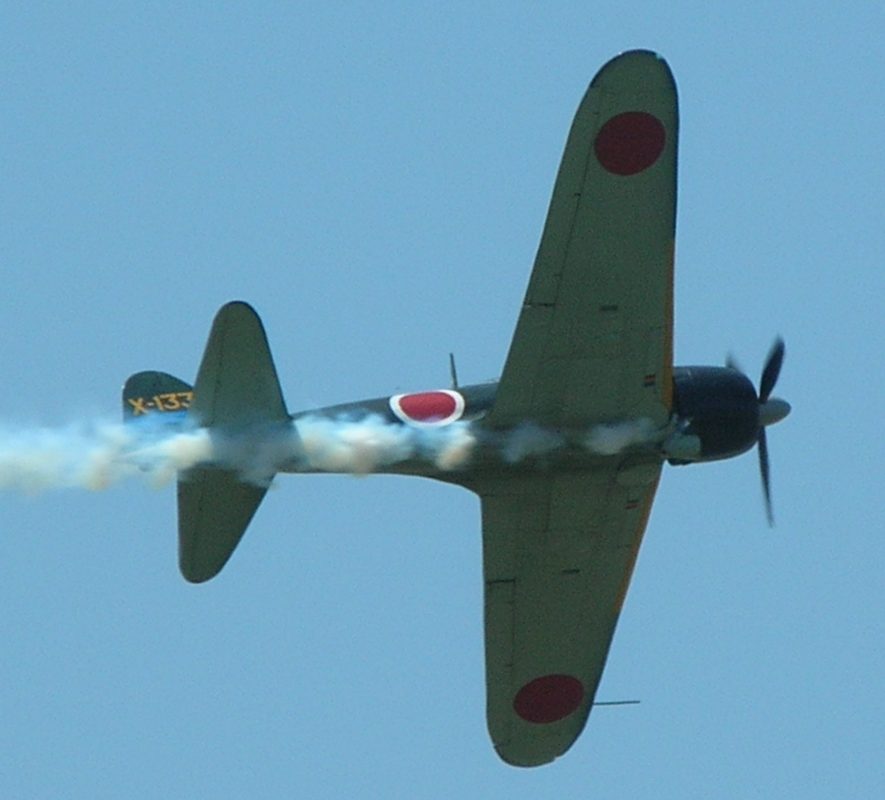
The Mitsubishi A6M Zero achieved an astonishing 12:1 kill ratio during the first six months of the Pacific War, sweeping Allied fighters from the sky with a combination of extraordinary range, tight turning ability, and aggressive pilot tactics. It was the Zero that provided air cover for the Pearl Harbor attack, and it was the Zero that established Japanese air superiority across Southeast Asia, the Philippines, and the Dutch East Indies in a stunning series of early-war victories.
The Zero's incredible performance came at a terrible cost: it had no armor, no self-sealing fuel tanks, and no structural redundancy. A few hits from .50-caliber machine guns could turn a Zero into a fireball. When American pilots learned to avoid turning fights and instead use diving attacks and superior firepower, the Zero's kill ratio collapsed. By 1943, the Hellcat and Corsair had made the Zero obsolete. But no discussion of aviation history is complete without acknowledging the aircraft that dominated the Pacific for the first year of the war and demonstrated that Japanese aerospace engineering was a serious threat to Western air power.