#8, Battle of Kursk: The Largest Tank Battle in History
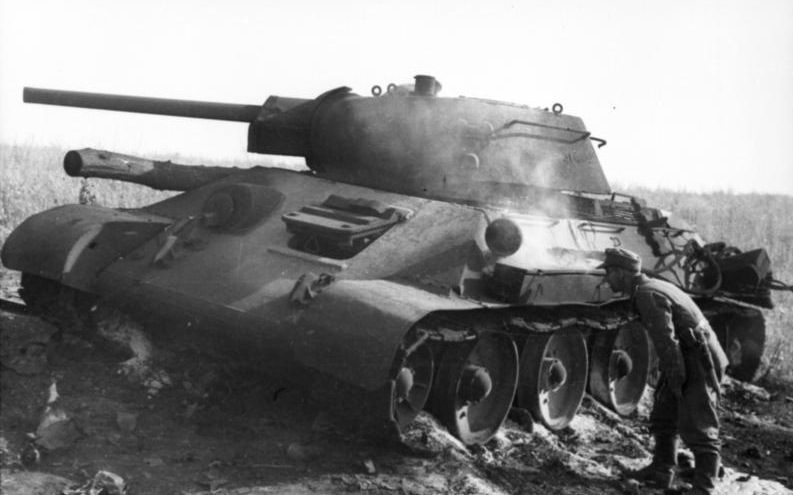
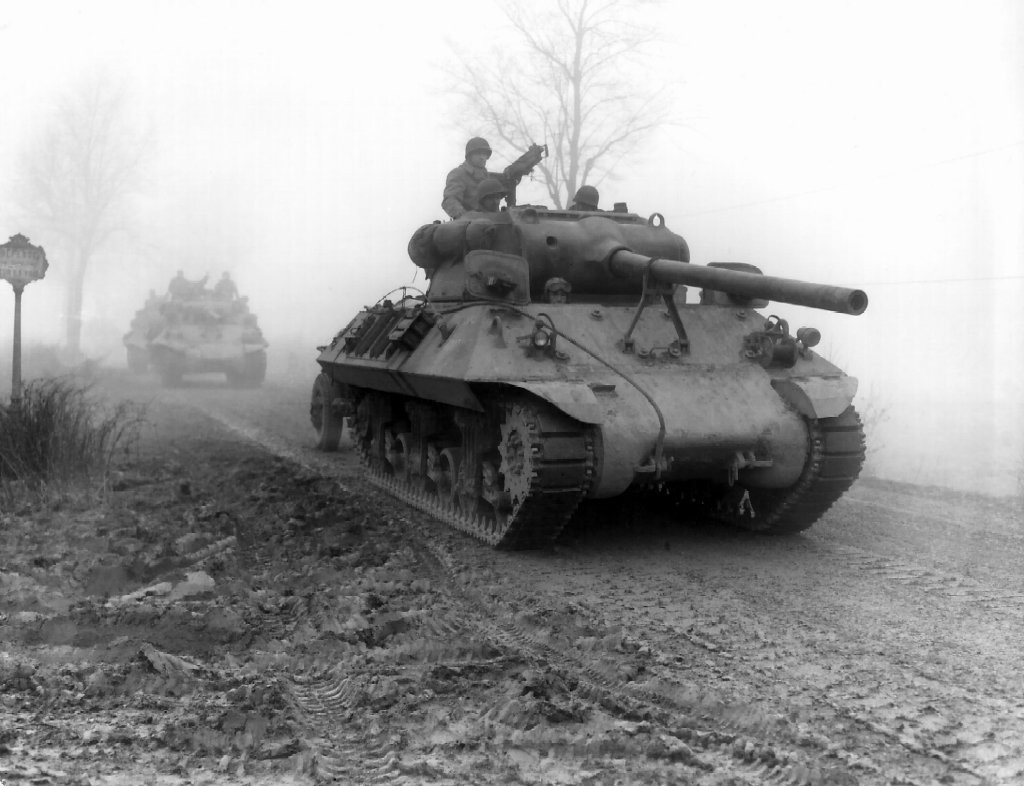
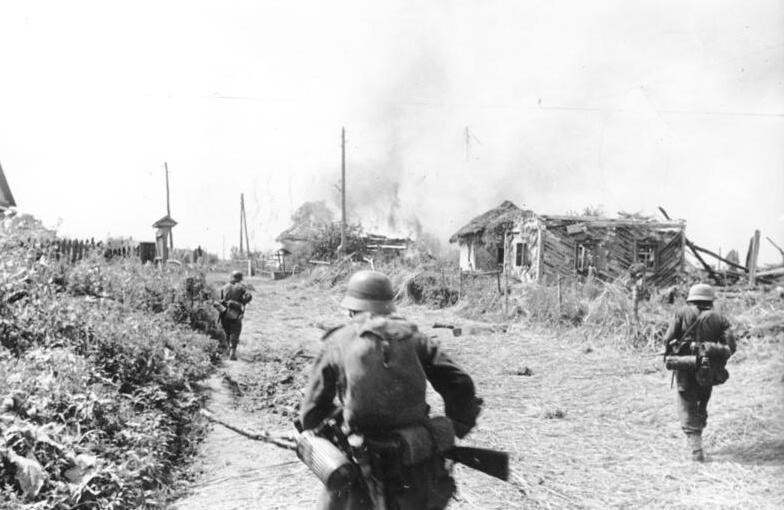
The Battle of Kursk from July 5 to August 23, 1943, produced approximately 860,000 total casualties, 254,000 German and 254,000 Soviet dead, with over 350,000 more wounded on both sides. Over 6,000 tanks, 4,000 aircraft, and 2 million soldiers clashed in the largest armored battle in history, Operation Citadel, Germany's last major strategic offensive on the Eastern Front, was stopped cold and then thrown back in a devastating Soviet counteroffensive.
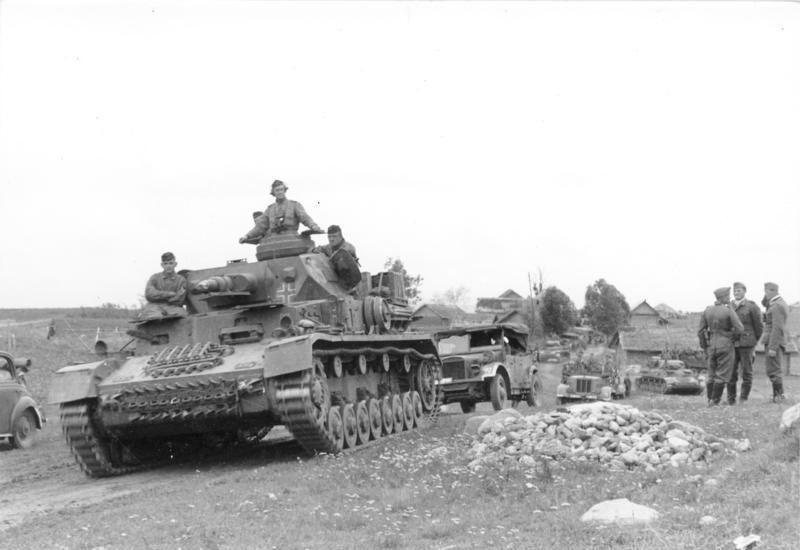
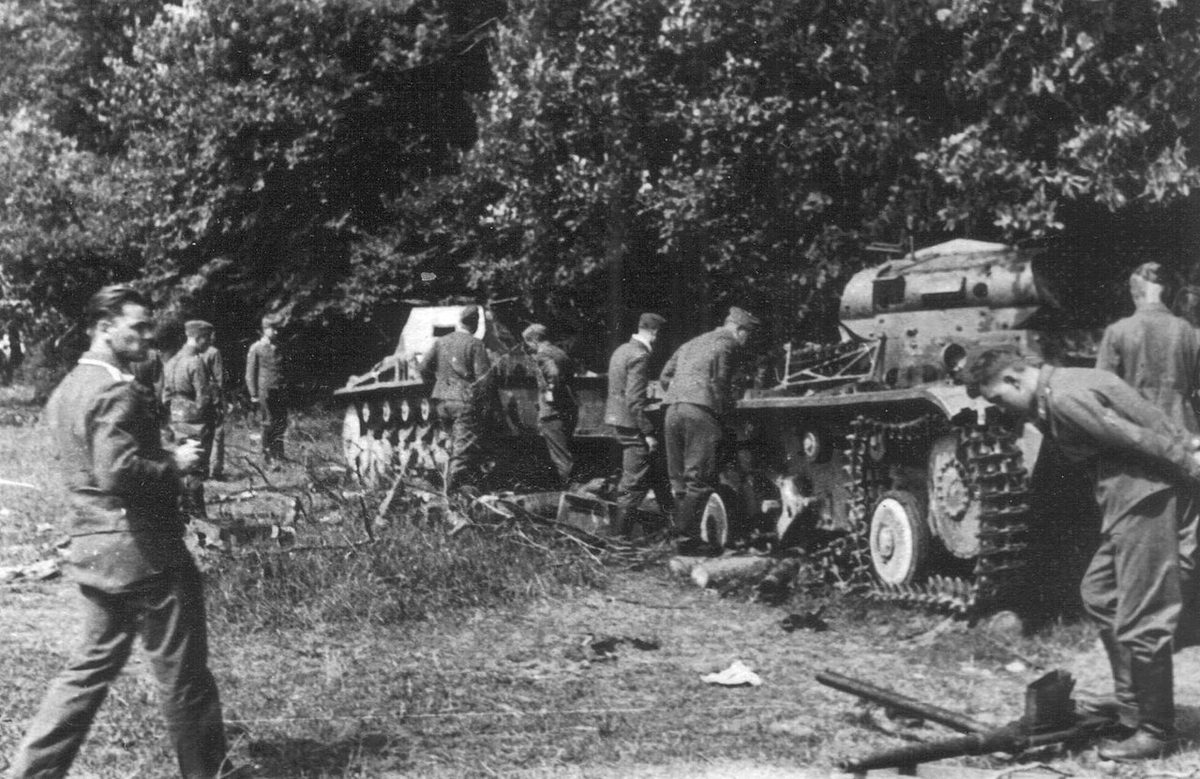
The Germans massed their newest weapons, Tiger I tanks, Panther tanks, Ferdinand tank destroyers, and Henschel Hs 129 ground-attack aircraft, against a Soviet defensive network eight lines deep with over 3,000 miles of trenches and over a million anti-tank and anti-personnel mines. At Prokhorovka on July 12, the Soviet 5th Guards Tank Army charged directly into the II SS Panzer Corps in a point-blank melee where individual T-34s rammed Tiger tanks. The Germans penetrated only 12 miles in a week before the offensive was called off. The Soviet counteroffensives, Operations Kutuzov and Rumyantsev, recaptured Orel, Belgorod, and Kharkov. After Kursk, the Wehrmacht never launched another major offensive in the East. The strategic initiative passed permanently to the Red Army, which would advance relentlessly westward for the next 22 months until it reached Berlin.
#7, Battle of Moscow: The Winter Offensive That Saved the Soviet Union
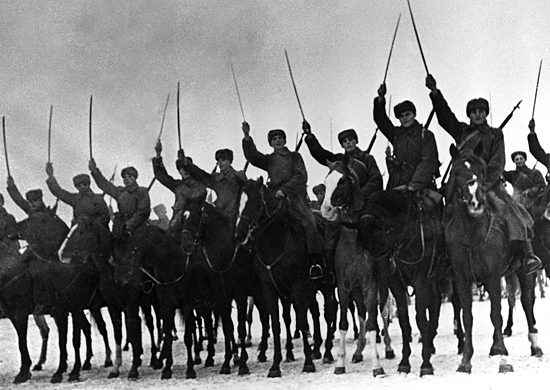
The Battle of Moscow from October 2, 1941, to January 7, 1942, produced approximately 1 million total casualties, 650,000 to 750,000 Soviet and 248,000 German killed, wounded, or captured. Operation Typhoon, the German drive to capture the Soviet capital, came within 12 miles of the Kremlin before the Red Army's winter counteroffensive hurled the Wehrmacht back 100 miles in the first major German defeat of World War II.
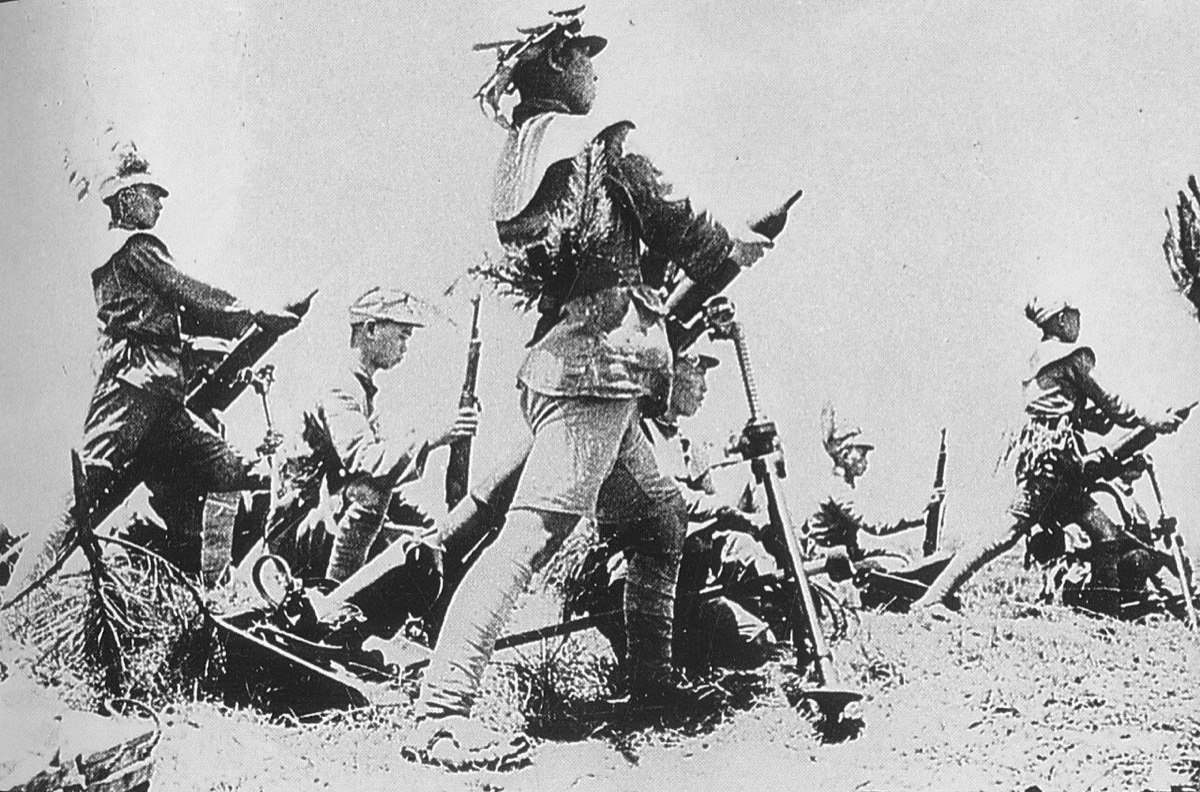
By early December 1941, German soldiers could see the spires of Moscow through their binoculars. But the Wehrmacht had outrun its supply lines, temperatures plummeted to minus 40 degrees, and tanks, weapons, and vehicles froze solid, the Germans had not issued winter clothing because Hitler assumed the campaign would be over by October. Zhukov launched his counteroffensive on December 5 with fresh Siberian divisions transferred from the Far East after Soviet spy Richard Sorge confirmed Japan would not attack the USSR. The Soviets attacked through deep snow in white camouflage, supported by T-34 tanks whose wide tracks and diesel engines functioned in conditions that immobilized German armor. Moscow proved that the Wehrmacht was not invincible and that the Soviet Union would not collapse as Hitler had predicted, a psychological turning point equal to its military significance.
#6, German Spring Offensive: Ludendorff's Last Roll of the Dice Cost 1.5 Million
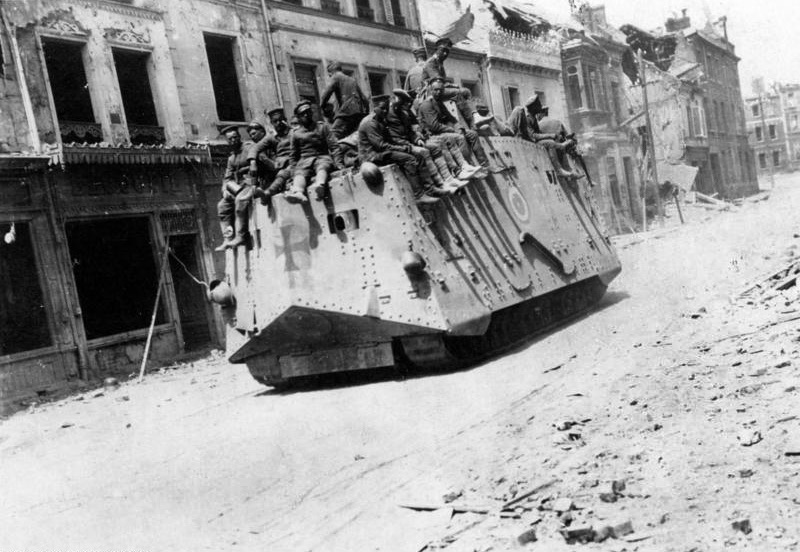
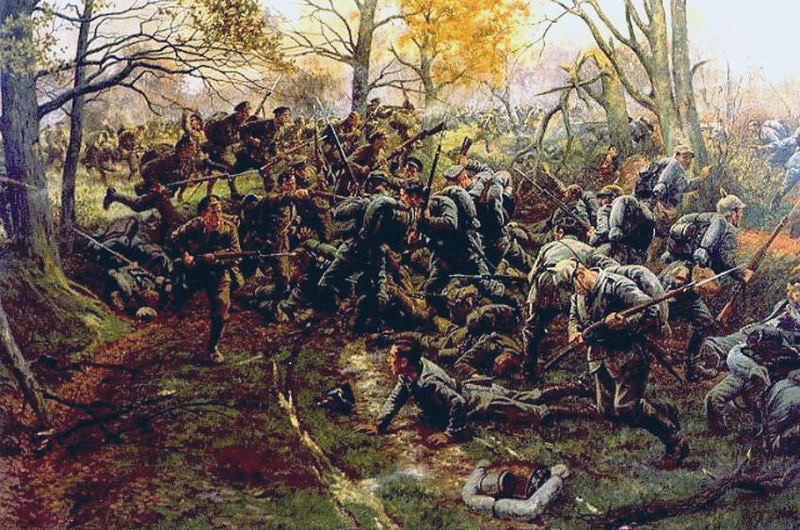
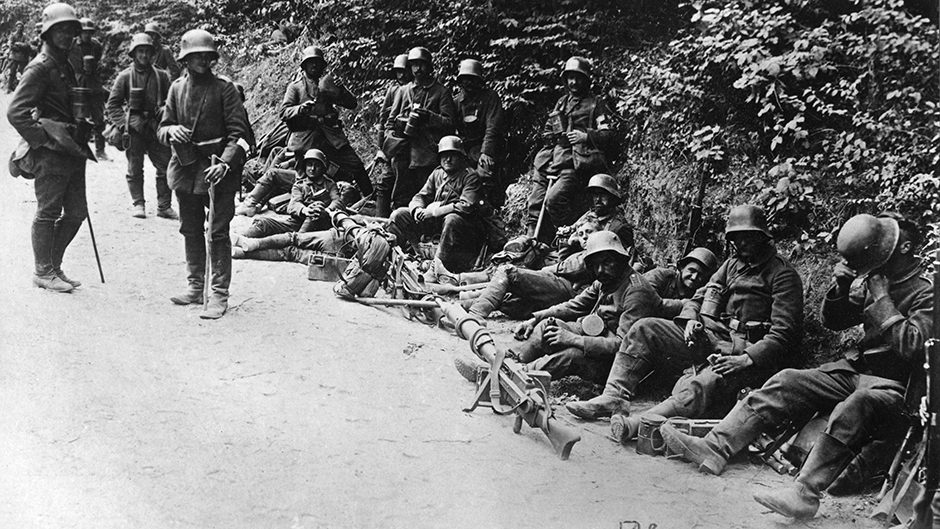
The German Spring Offensive (Operation Michael and subsequent operations) from March 21 to July 18, 1918, produced approximately 1.5 million total casualties, 688,000 German and 850,000 Allied (420,000 British, 433,000 French). Ludendorff launched the largest German offensive of World War I before American reinforcements could arrive in overwhelming numbers, using revolutionary stormtrooper infiltration tactics that shattered the British Fifth Army and advanced 40 miles in three days, the deepest penetration on the Western Front since 1914.
The Kaiserschlacht, the Kaiser's Battle, employed 76 divisions on a 50-mile front, preceded by a five-hour bombardment of 6,000 guns using gas, high explosive, and smoke in a carefully sequenced fire plan devised by Colonel Bruchmüller. Stormtrooper units bypassed strongpoints and attacked headquarters, artillery, and supply dumps deep behind the lines. The British front collapsed, and Haig issued his famous "backs to the wall" order. But the offensive had no strategic objective beyond breaking the Allied line, success could not be exploited because the exhausted German infantry moved on foot while the Allies retreated by truck and train. Each successive German operation gained less ground at greater cost, and by July the offensive had consumed Germany's last reserves of trained soldiers. The Spring Offensive gained territory but lost the war.
#5, Battle of the Somme: The 141-Day Massacre That Redefined Slaughter
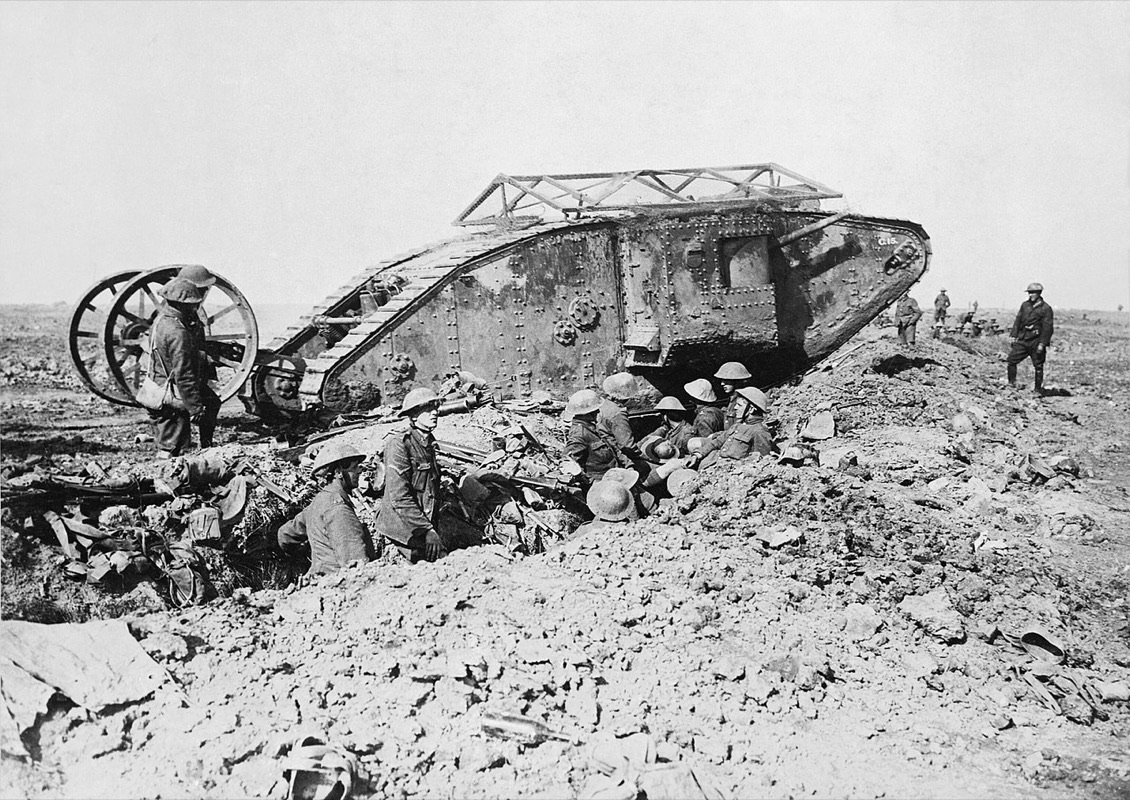
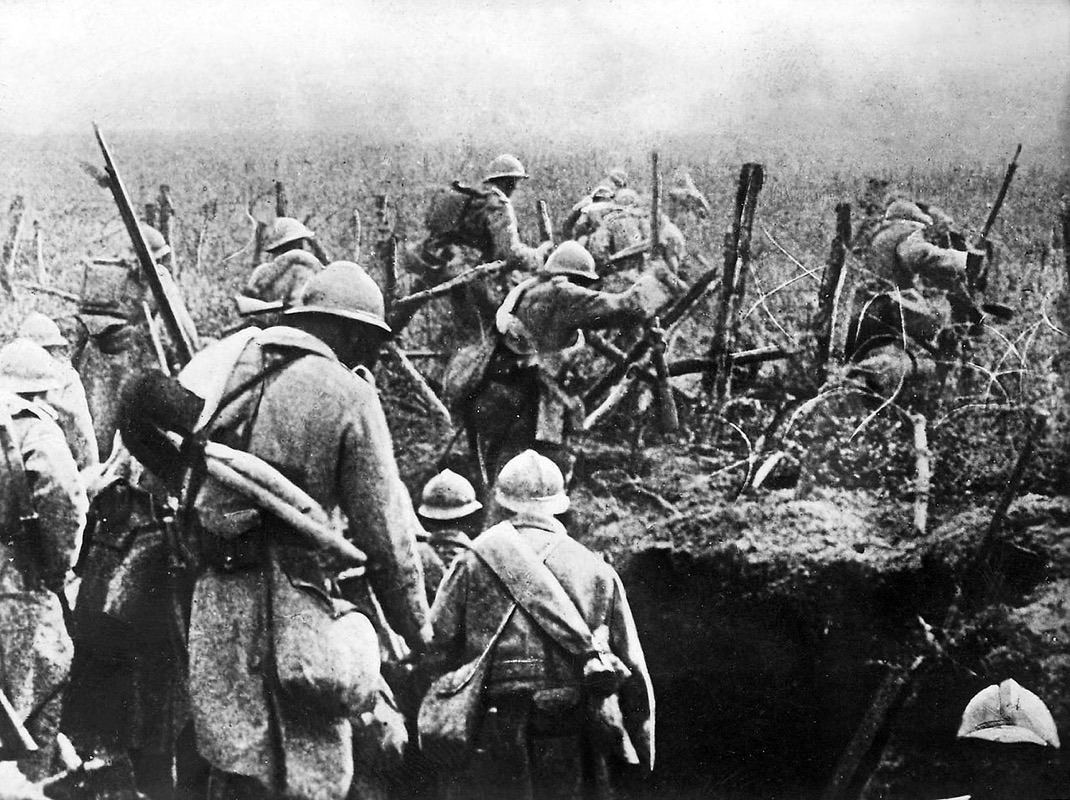
The Battle of the Somme from July 1 to November 18, 1916, consumed approximately 1,070,000 total casualties, 420,000 British (including 57,470 on the first day alone, the worst in British military history), 200,000 French, and 465,000 German. The 141-day battle gained a maximum of seven miles. The Somme's opening day remains the single deadliest day any army has ever experienced, with the British suffering roughly one casualty every second for 14 hours.
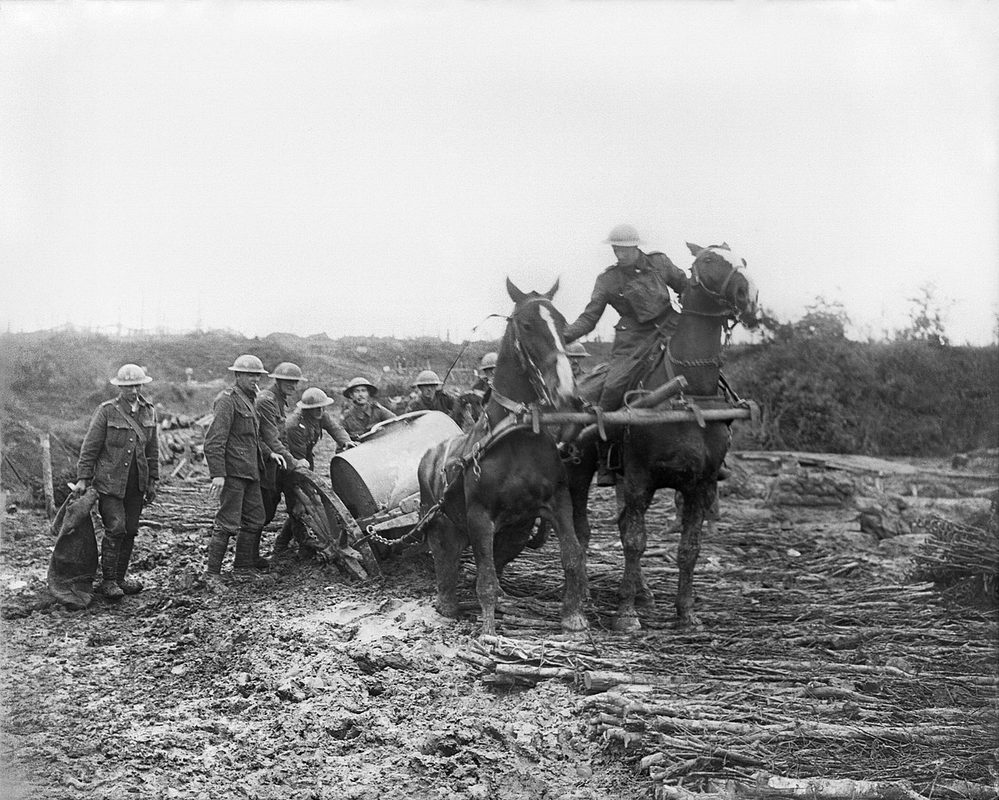
Haig's plan relied on a week-long preliminary bombardment of 1.5 million shells to destroy the German trenches. It didn't work. German soldiers sheltered in deep dugouts 30 feet underground and emerged to man their machine guns as the bombardment lifted. British infantry walked in straight lines across no-man's-land carrying 60 pounds of equipment into point-blank fire. The Pals Battalions, units recruited from the same towns and factories, were wiped out together, devastating entire communities back home. The Accrington Pals lost 585 men in 20 minutes. Yet the Somme also saw innovations: the first use of tanks on September 15, the first large-scale use of creeping barrages, and the gradual development of combined-arms tactics that would eventually break the deadlock. The battle ground on for four more months because stopping meant admitting the sacrifice had been for nothing.
#4, Hundred Days Offensive: The Final Allied Juggernaut That Ended World War I
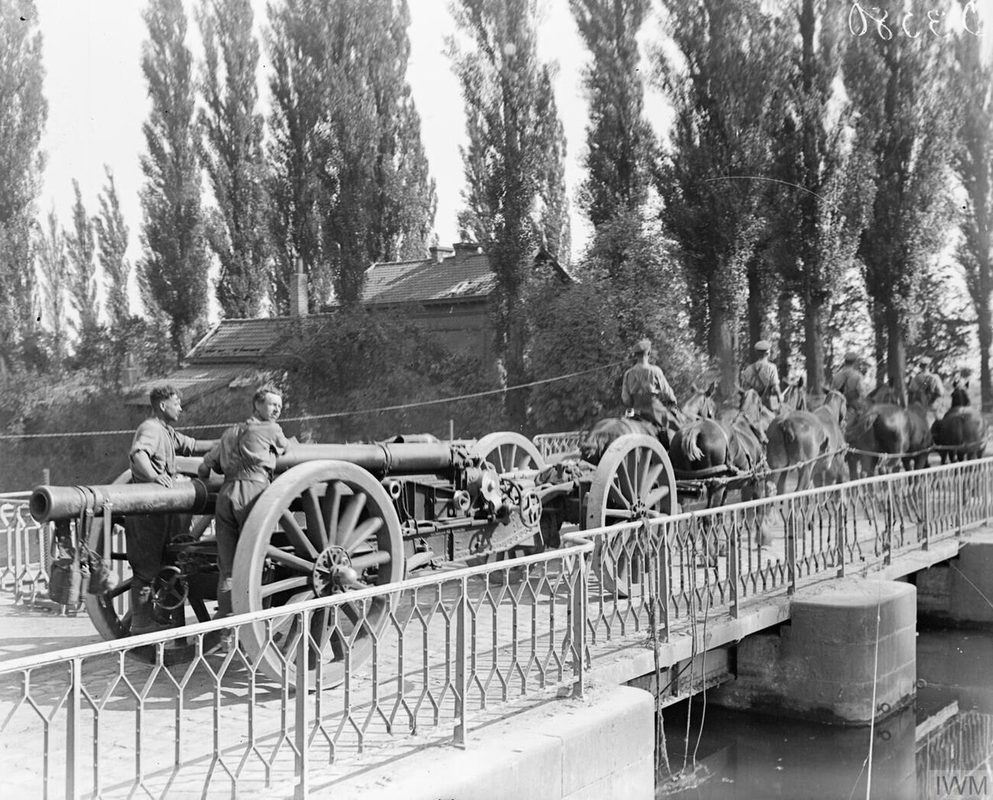
The Hundred Days Offensive from August 8 to November 11, 1918, produced approximately 1.8 million total casualties, over 785,000 German (including 385,000 prisoners) and approximately 1,070,000 Allied killed and wounded. The relentless Allied advance across a 250-mile front shattered the Hindenburg Line, forced Germany to seek an armistice, and ended the bloodiest war the world had yet seen.
The Battle of Amiens on August 8, what Ludendorff called "the black day of the German Army", saw 532 Allied tanks and 1,900 aircraft support the Australian and Canadian Corps in an advance of eight miles in a single day. For the first time, German units surrendered en masse rather than fight. The Allies had finally cracked the code of trench warfare: combined-arms coordination of infantry, tanks, aircraft, and artillery in a rolling advance that never gave the Germans time to stabilize their lines. The breaking of the Hindenburg Line at the Canal du Nord and Bellenglise in late September, positions the Germans believed impregnable, caused a crisis of confidence in the German High Command. Ludendorff suffered a nervous breakdown and demanded the government seek peace. The armistice on November 11, 1918, ended the fighting at 11:00 AM, but the last Hundred Days consumed more casualties than any other period of the war.
#3, Battle of Stalingrad: 5 Months of Urban Hell That Consumed 1.9 Million
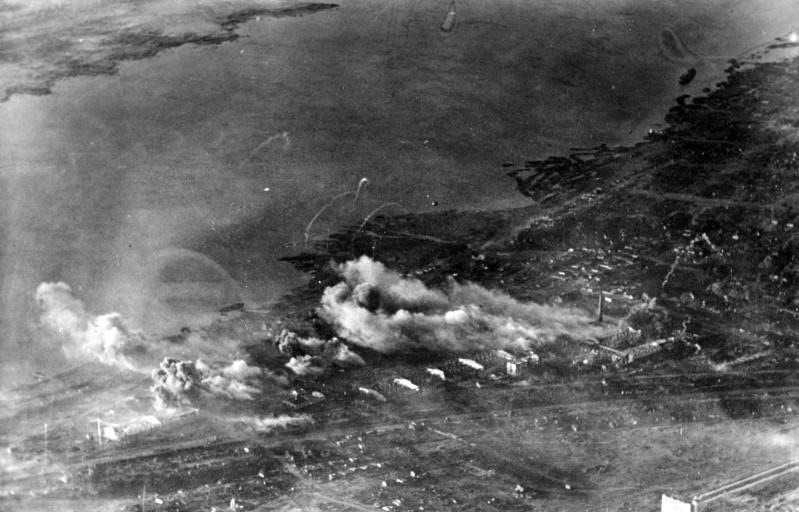
The Battle of Stalingrad from August 23, 1942, to February 2, 1943, killed approximately 1.9 million soldiers and civilians, 1.13 million Soviet casualties (including 478,000 dead), 800,000 Axis casualties (including 400,000 dead), and an estimated 40,000 civilians killed. It was the single bloodiest battle in human history and the turning point of World War II on the Eastern Front.
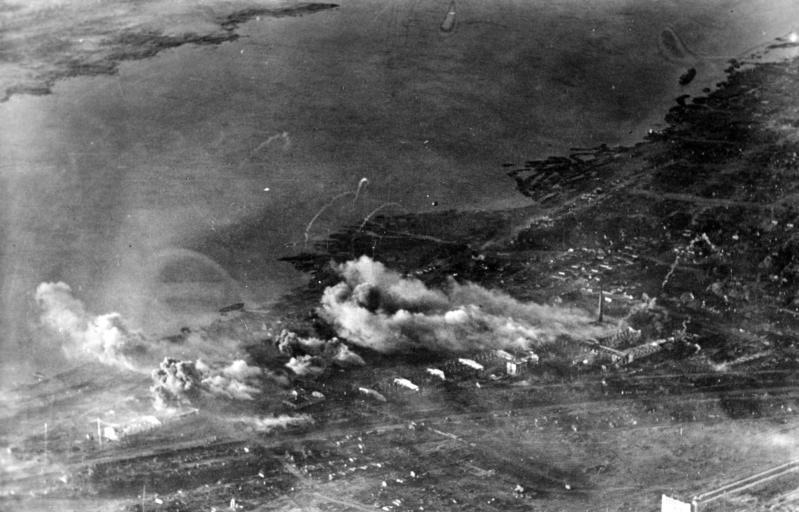
The Luftwaffe's opening bombardment on August 23, 1942, killed 40,000 civilians in a single day and reduced the city to rubble, which then became ideal defensive terrain. Soviet soldiers fought for individual buildings, floors, and rooms in what they called "Rattenkrieg", rat war. The average life expectancy of a Soviet soldier arriving in Stalingrad was 24 hours. Snipers like Vasily Zaitsev hunted Germans through the ruins while Chuikov's 62nd Army held a strip of riverbank sometimes only 300 meters deep. On November 19, 1942, Operation Uranus launched a million Soviet troops in a double envelopment that trapped Paulus's 6th Army, 330,000 German and Romanian soldiers, in a pocket the Soviets methodically crushed over two months. When Paulus surrendered on February 2, 1943, only 91,000 Germans remained alive. Of those, only 5,000 ever returned home. Stalingrad broke the myth of German invincibility and marked the beginning of the end for the Third Reich.
#2, Brusilov Offensive: The Forgotten Assault That Killed 2.4 Million
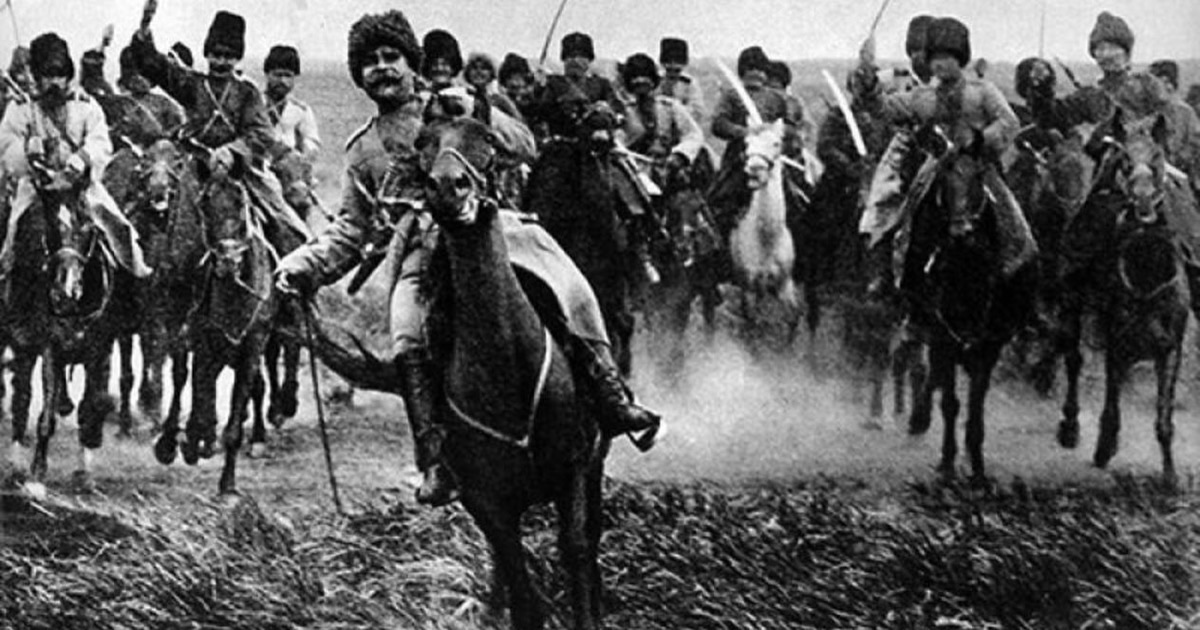
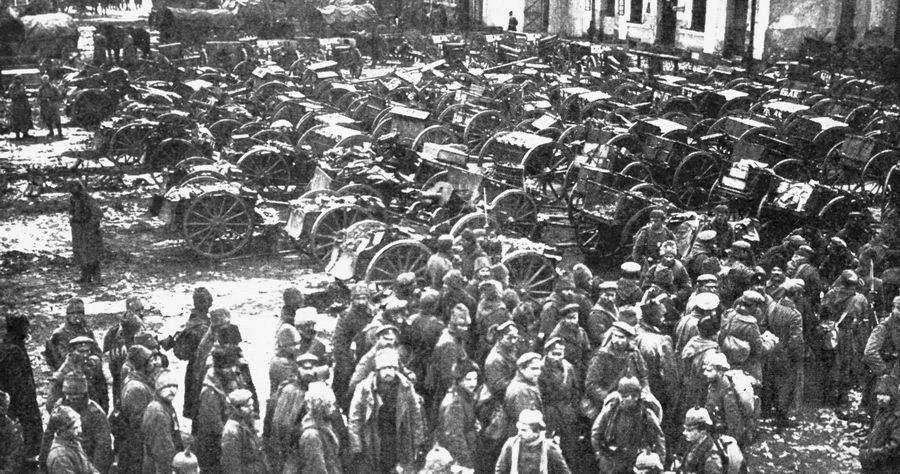
The Brusilov Offensive from June 4 to September 20, 1916, produced approximately 2.4 million total casualties, 500,000 Russian dead, 600,000 Russian wounded and captured, and 1.35 million Austro-Hungarian and German killed, wounded, or captured. General Alexei Brusilov's attack across a 300-mile front was the most successful Allied offensive of the entire war and the most lethal single operation in World War I history.
Brusilov's innovation was revolutionary: instead of concentrating on a narrow front (which defenders could predict and reinforce), he attacked along the entire Southwestern Front simultaneously, preventing the Austro-Hungarians from shifting reserves. Shock troops infiltrated weak points while artillery fired rolling barrages calibrated to maps rather than pre-registered targets, techniques that anticipated the stormtrooper tactics Germany would use in 1918. The Austro-Hungarian Fourth and Seventh Armies collapsed completely, with 400,000 prisoners taken in the first two weeks alone. Austria-Hungary never recovered, the Brusilov Offensive broke the back of the Dual Monarchy's military and set it on the path to dissolution. Romania entered the war on the Allied side (disastrously). Germany was forced to transfer 35 divisions from Verdun and the Somme, relieving pressure on France and Britain. Yet Brusilov's victory also bled the Russian army to exhaustion, contributing to the conditions that produced the Russian Revolution of 1917.
#1, Battle of the Dnieper: The 4-Month Bloodbath That Consumed 2.6 Million
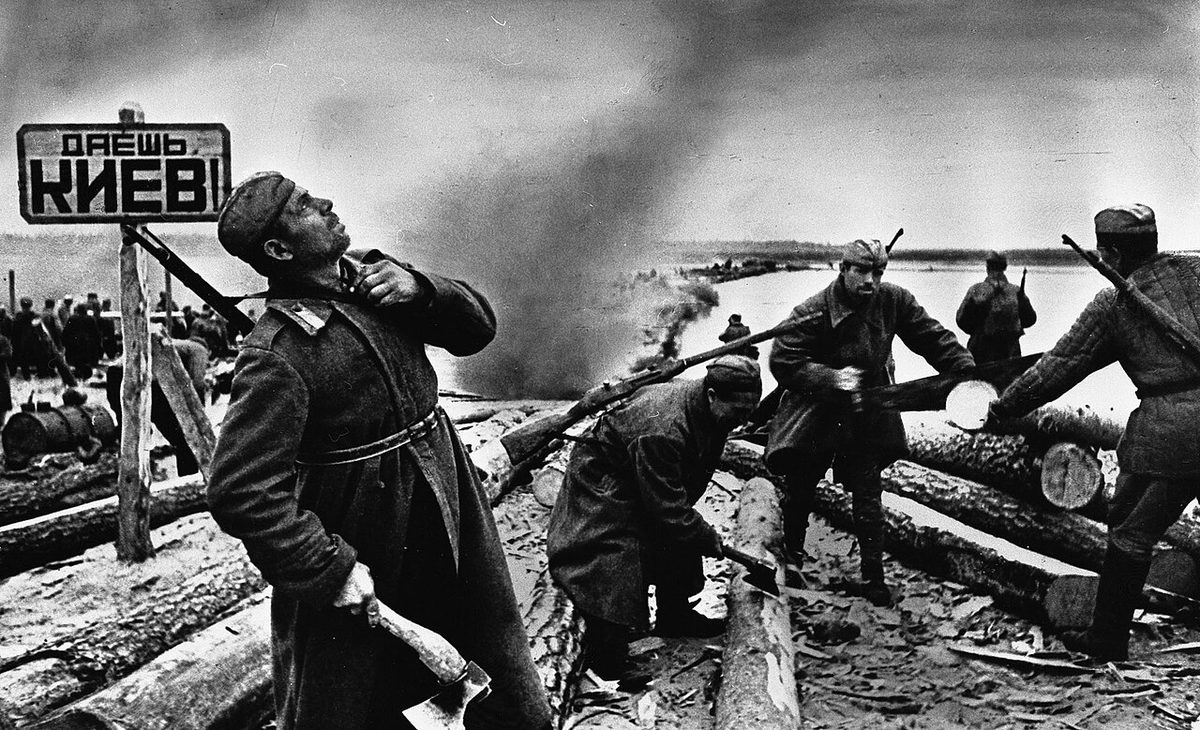
The Battle of the Dnieper from August 26 to December 23, 1943, produced approximately 2.6 million total casualties, 1.5 million Soviet (including 400,000 dead) and 1.1 million German killed, wounded, or captured, making it the deadliest single battle in the history of warfare. Nearly 4 million soldiers fought along a 750-mile front as the Red Army forced crossings of the Dnieper River, one of Europe's largest natural barriers, against the fortified "Panther Line" that Hitler ordered held at all costs.
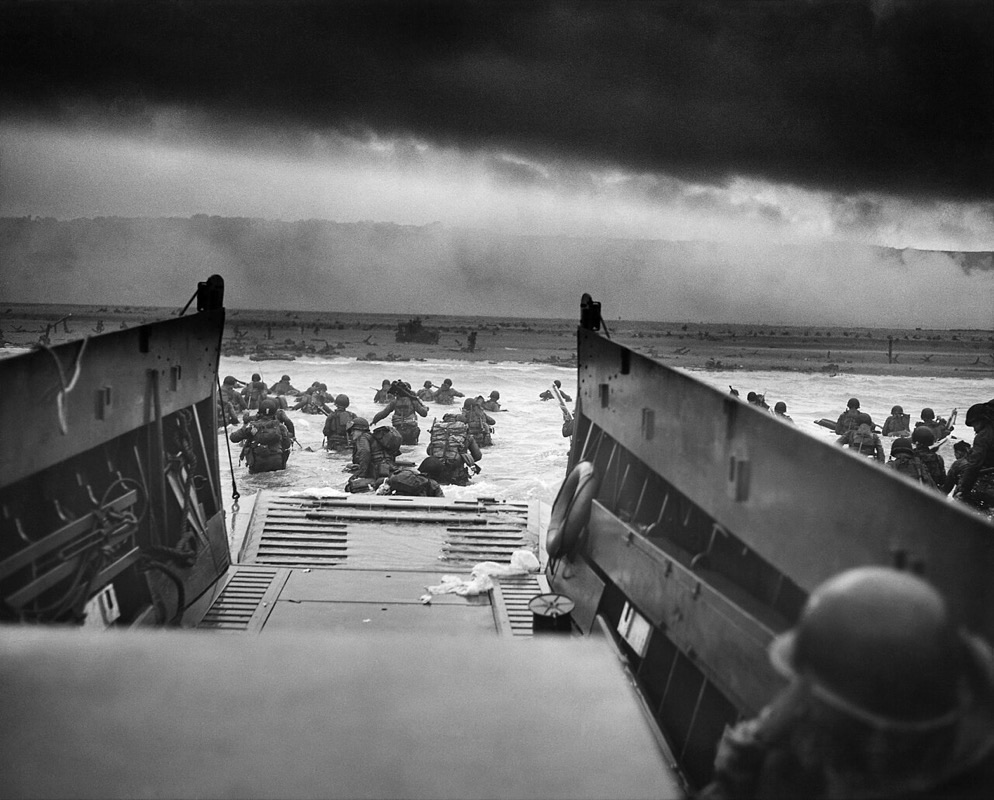
The scale defies comprehension. Five Soviet fronts, 2.65 million troops, attacked simultaneously across the entire length of the Dnieper, using everything from pontoon bridges to improvised rafts made of doors and barrels under constant artillery and air attack. The first wave of river crossings suffered catastrophic casualties, with some units losing 90% of their strength in the water. Over 2,500 soldiers earned the Hero of the Soviet Union medal for the Dnieper crossings, the most awarded for any single operation in Soviet history. Kiev was liberated on November 6, and by December the Red Army had established a massive bridgehead that would serve as the springboard for the liberation of Ukraine and the advance into Romania and Poland. The Battle of the Dnieper broke the Panther Line, destroyed the last major German defensive position in the east, and ensured that the Eastern Front would continue its inexorable march toward Berlin.