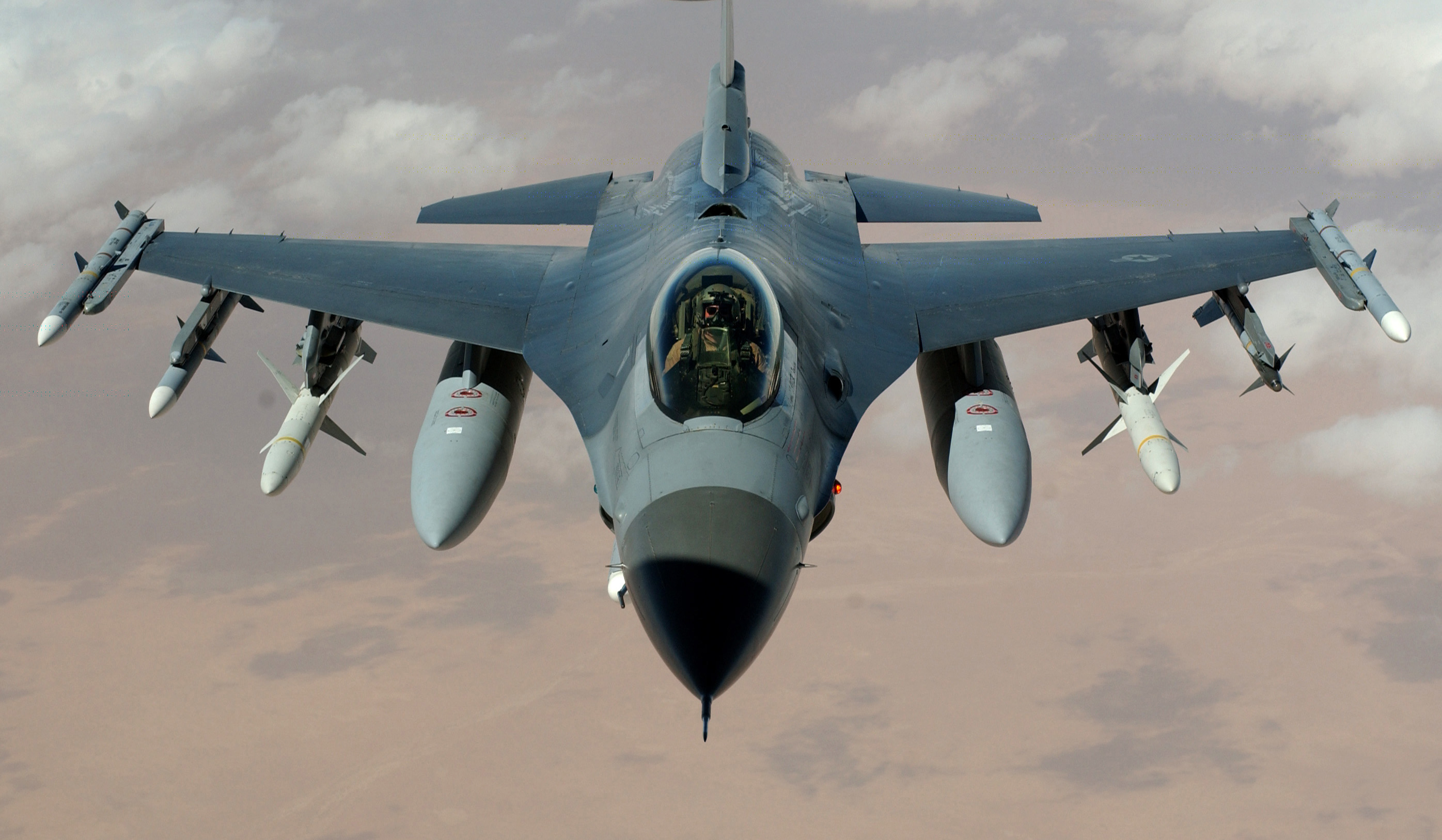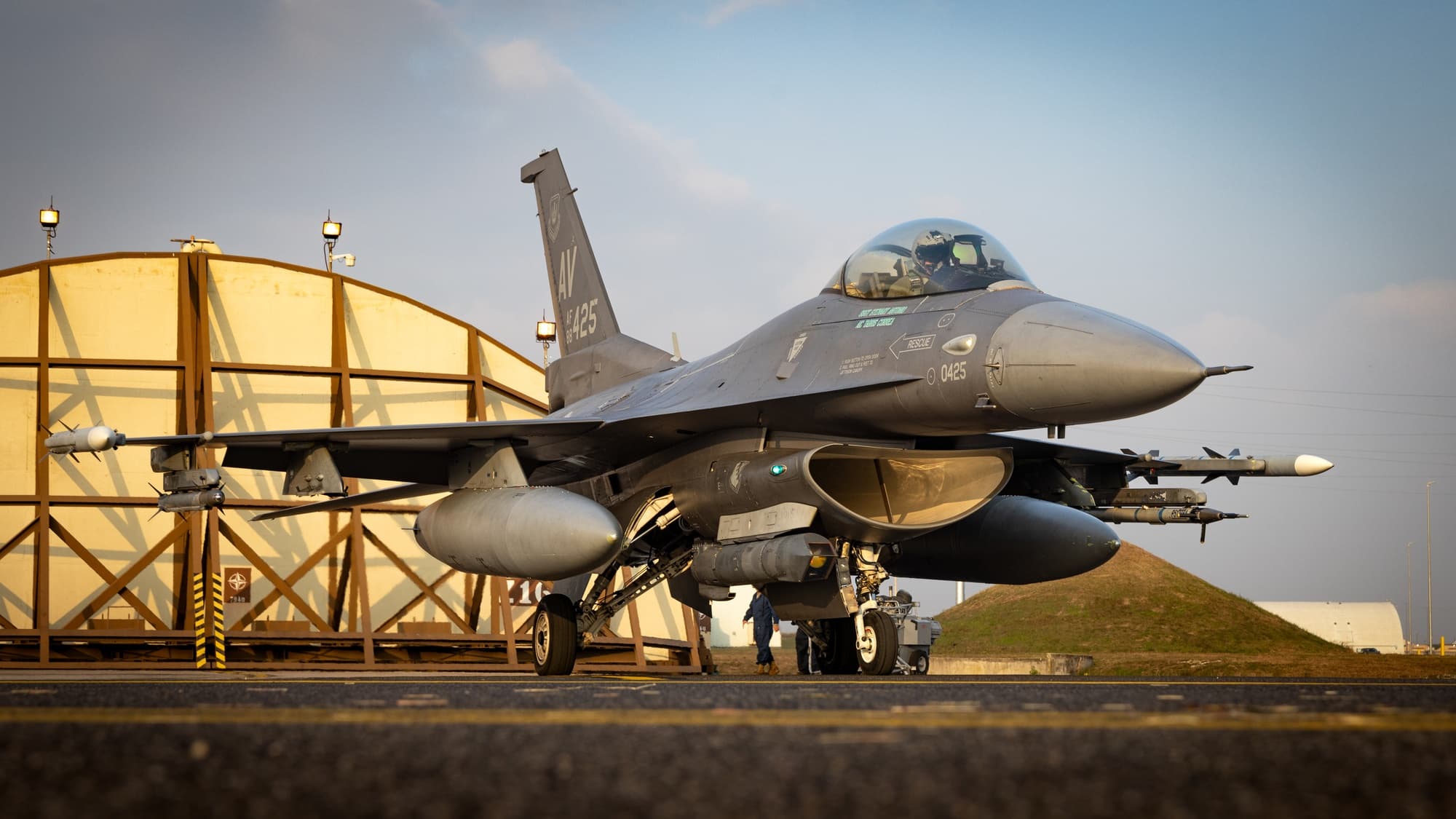

For most of aviation history, a pilot's control inputs traveled from the cockpit to the flight control surfaces through a physical chain of cables, pushrods, bellcranks, and hydraulic actuators. Pull the stick back, and a steel cable physically pulled the elevator up. Push the rudder pedal, and a linkage physically deflected the rudder. The system was intuitive, reliable, and imposed a fundamental constraint on aircraft design: every aircraft had to be aerodynamically stable enough for a human to control through those mechanical connections. Fly-by-wire shattered that constraint, and in doing so, it made possible every modern fighter aircraft, every stealth bomber, and an entirely new philosophy of flight.
What Fly-by-Wire Actually Is
In a fly-by-wire (FBW) system, the mechanical linkages between the cockpit controls and the flight control surfaces are replaced by electrical wires. When a pilot moves the stick, sensors measure the input and send an electronic signal to a flight control computer. The computer processes that signal, along with data from dozens of other sensors measuring airspeed, altitude, angle of attack, G-forces, and aircraft attitude, and sends commands to electrically powered actuators that move the control surfaces. The pilot never directly moves the ailerons, elevators, or rudder. The computer does.
This might sound like a minor engineering substitution, a matter of swapping cables for wires. It is not. The computer between the pilot's hand and the control surface changes everything. It can modify the pilot's input, augment it, limit it, or override it entirely. It can make a sluggish aircraft feel responsive. It can make an unstable aircraft feel stable. And it can make an aircraft that is aerodynamically incapable of controlled flight, something that would tumble out of the sky in seconds without electronic intervention, fly as smoothly as an airliner.
The Breakthrough: Relaxed Static Stability
Every conventional aircraft is designed with positive static stability. If you disturb it from level flight, say with a gust that pushes the nose up, the aircraft's aerodynamics naturally push it back toward its original attitude. The horizontal tail generates a restoring force. The swept wings provide lateral stability. The aircraft wants to fly straight and level. This stability makes the aircraft safe and predictable, but it also makes it sluggish. A stable aircraft resists changes in attitude, which means it responds slowly to control inputs. In a dogfight, slow response can be fatal.