
Amateurs study tactics. Professionals study logistics. The most quoted military truism is also the most ignored, until the supply chain breaks and the war is lost.
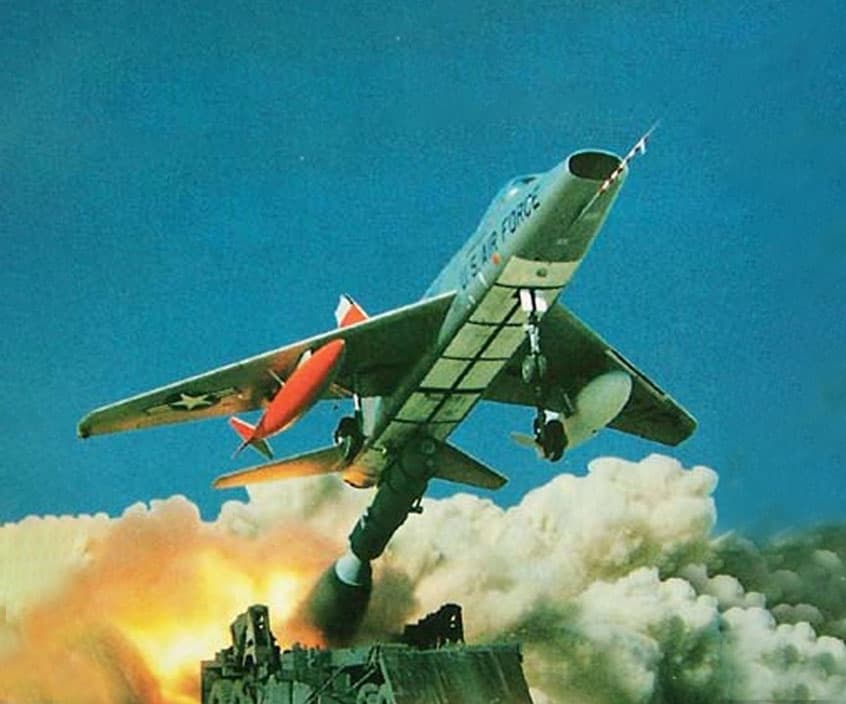
Defense analysts, media commentators, and even many military officers spend most of their time debating weapons platforms. Which fighter jet is faster. Which tank has thicker armor. Which missile flies farther. These comparisons dominate the discourse because they're dramatic and easy to understand. A stealth bomber is more interesting than a cargo ship.
But history delivers the same verdict, conflict after conflict: wars are decided not by who has the best weapons, but by who can sustain their forces in the field. The side that runs out of ammunition, fuel, food, or spare parts first loses, regardless of how advanced their equipment is. This was true in 1944, it was true in 1991, and it was brutally reconfirmed in Ukraine in 2022.
The Industrial Avalanche: How America Won WWII
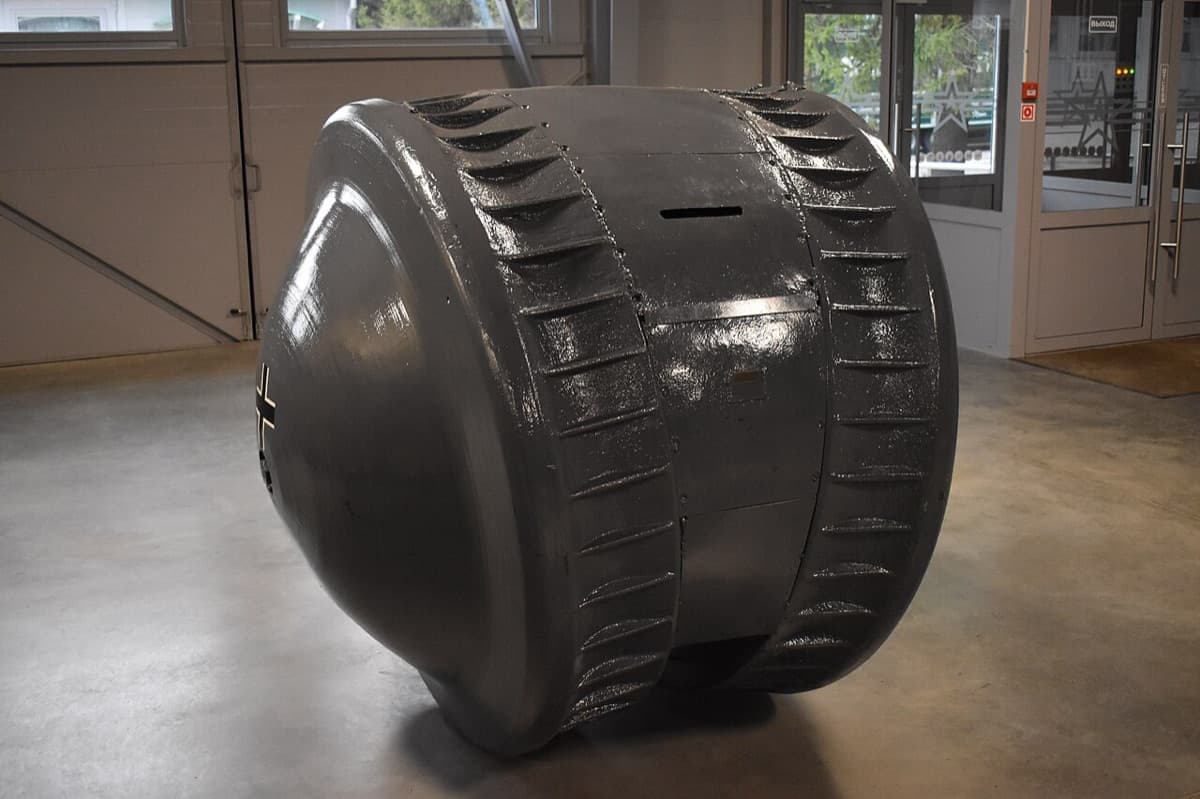
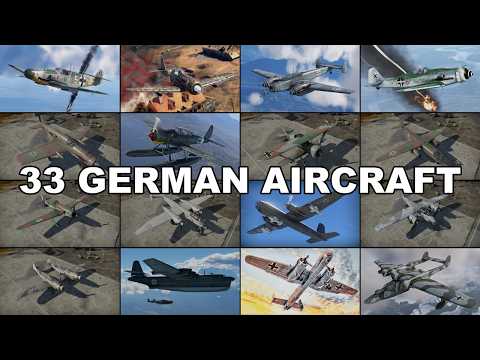
The United States did not win World War II by building better weapons. German tanks were generally superior to American tanks. The Me 262 was the world's first operational jet fighter. Japanese Zero pilots were initially better trained than their American counterparts. By most qualitative measures, the U.S. military started the war at a technological and tactical disadvantage.