
The Stinger missile helped win the Cold War. By 2023, the United States almost ran out of them, because nobody had made one in over a decade.
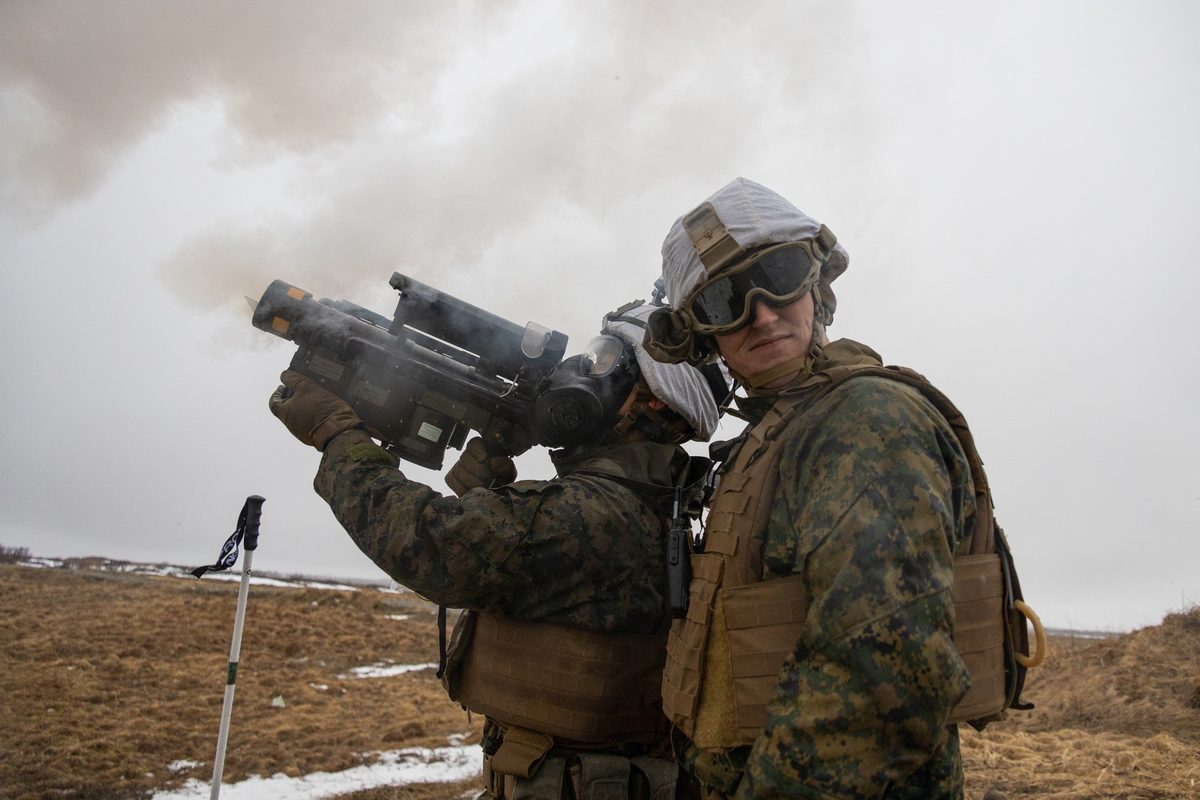
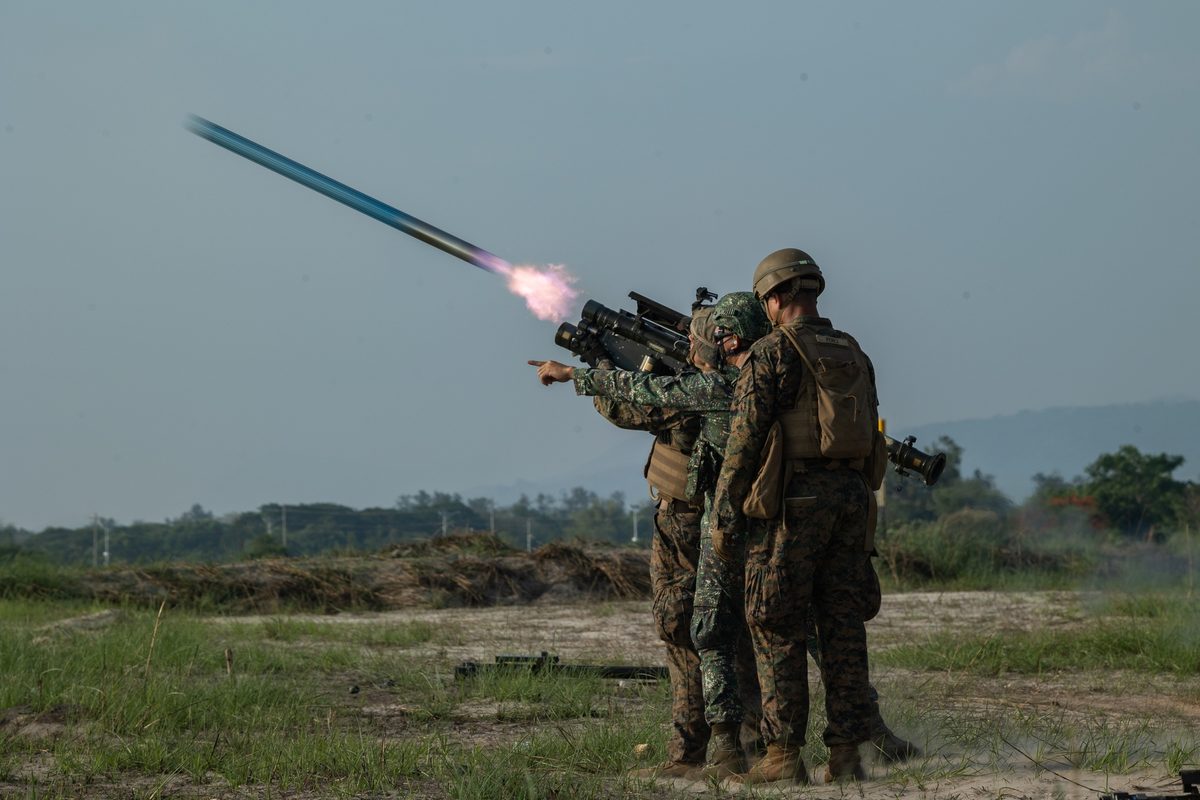
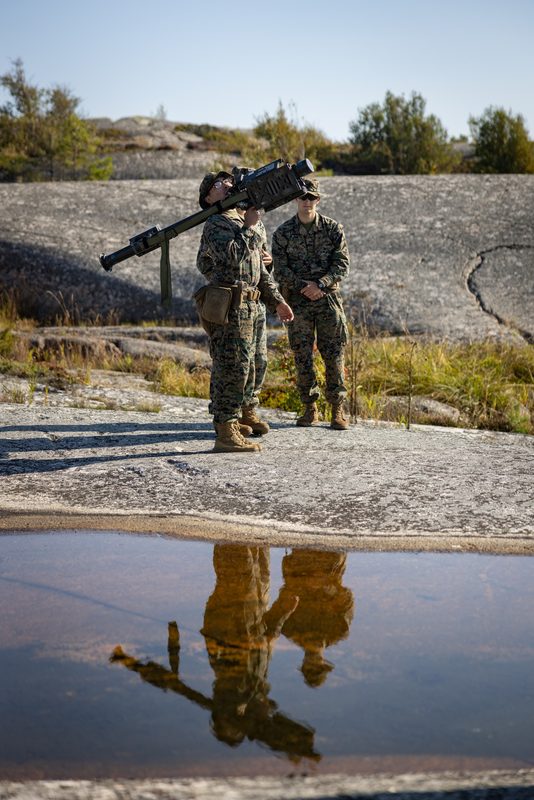
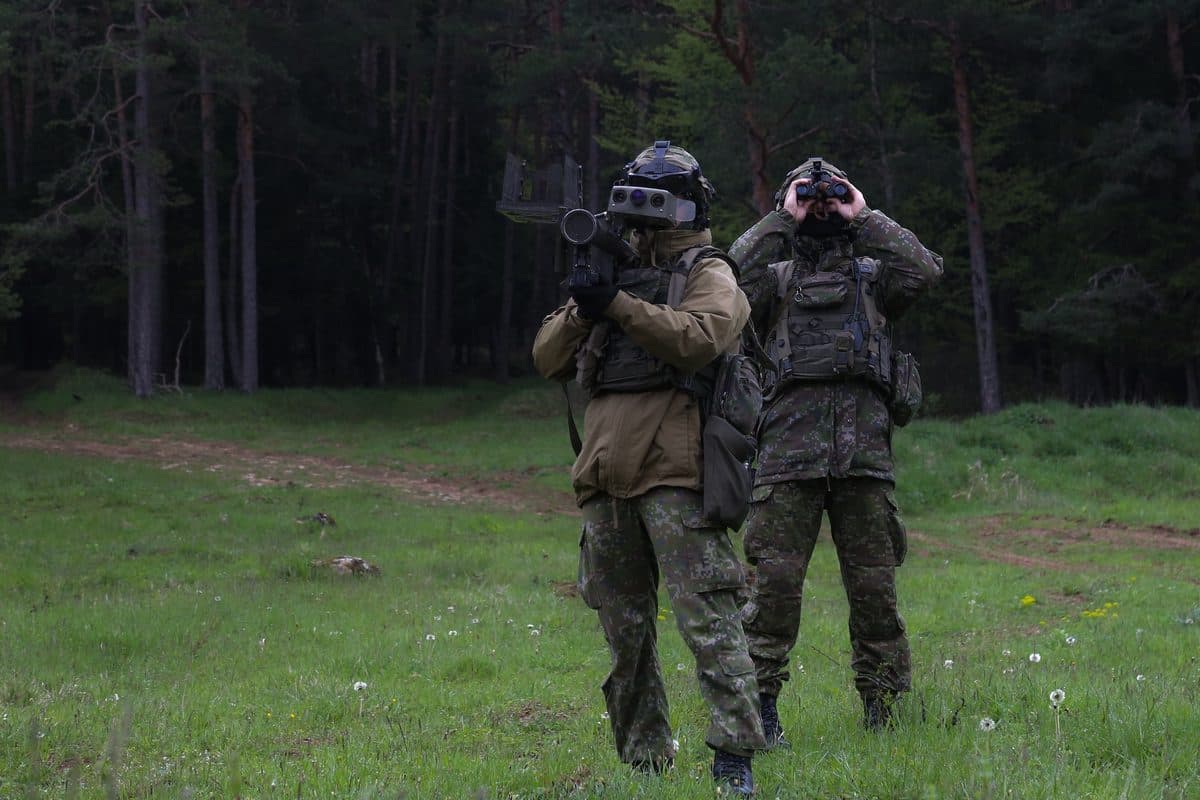
The FIM-92 Stinger is a four-foot-long, 35-pound missile that a single soldier can carry on their shoulder and fire at low-flying aircraft. It has a range of roughly 5 miles, an infrared seeker that locks onto engine exhaust, and a 3-pound warhead that detonates on impact. It costs approximately $38,000 per missile, a bargain for a weapon that can destroy a $30 million helicopter.
In the 1980s, the Stinger changed the course of the Soviet-Afghan War. In 2022, it helped Ukraine's defenders stop Russia's helicopter assault on Kyiv's Hostomel Airport. And somewhere between those two moments, the United States nearly let its most consequential shoulder-fired weapon disappear from the arsenal.
Afghanistan: The Weapon That Changed the War
The Soviet Union invaded Afghanistan in December 1979 with overwhelming air superiority. Mi-24 Hind helicopter gunships operated freely over Afghan valleys, devastating mujahideen positions with rockets and machine-gun fire. Fixed-wing aircraft bombed villages from altitudes that early-generation MANPADS (man-portable air defense systems) couldn't reach. For the first six years of the war, Afghan fighters had no effective response to Soviet airpower.