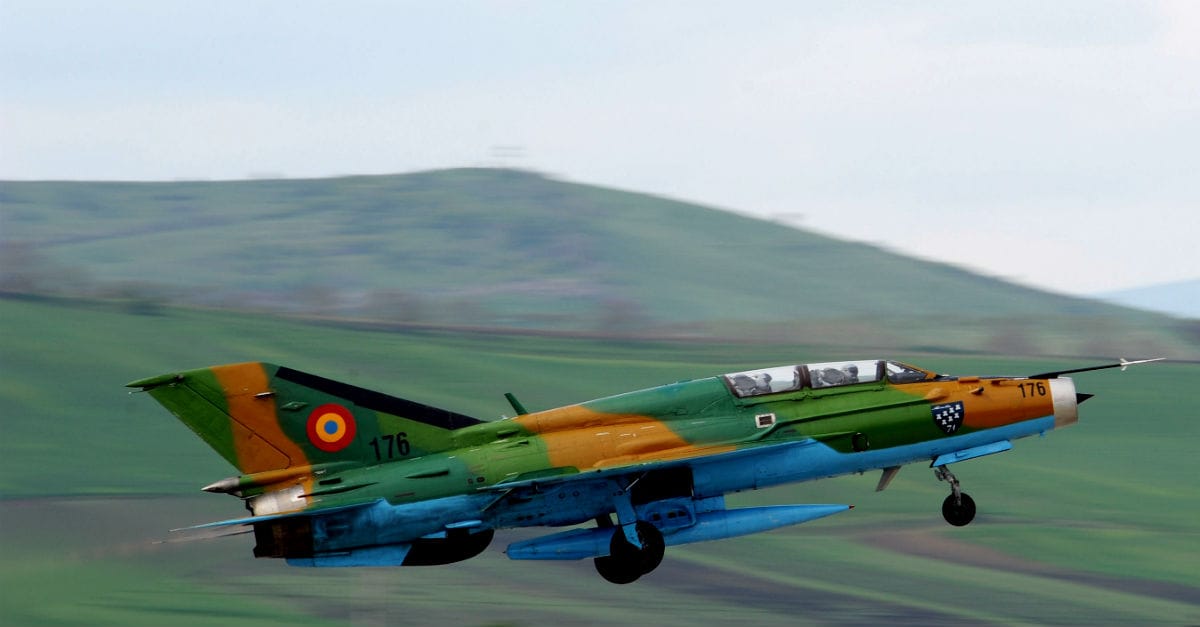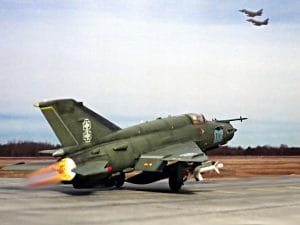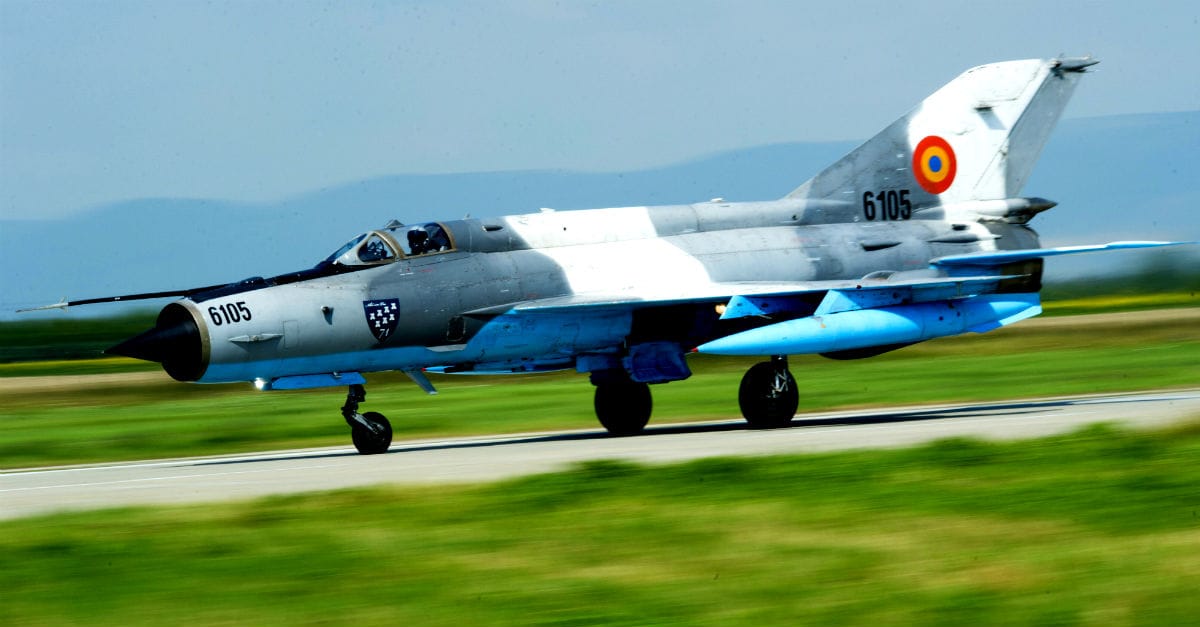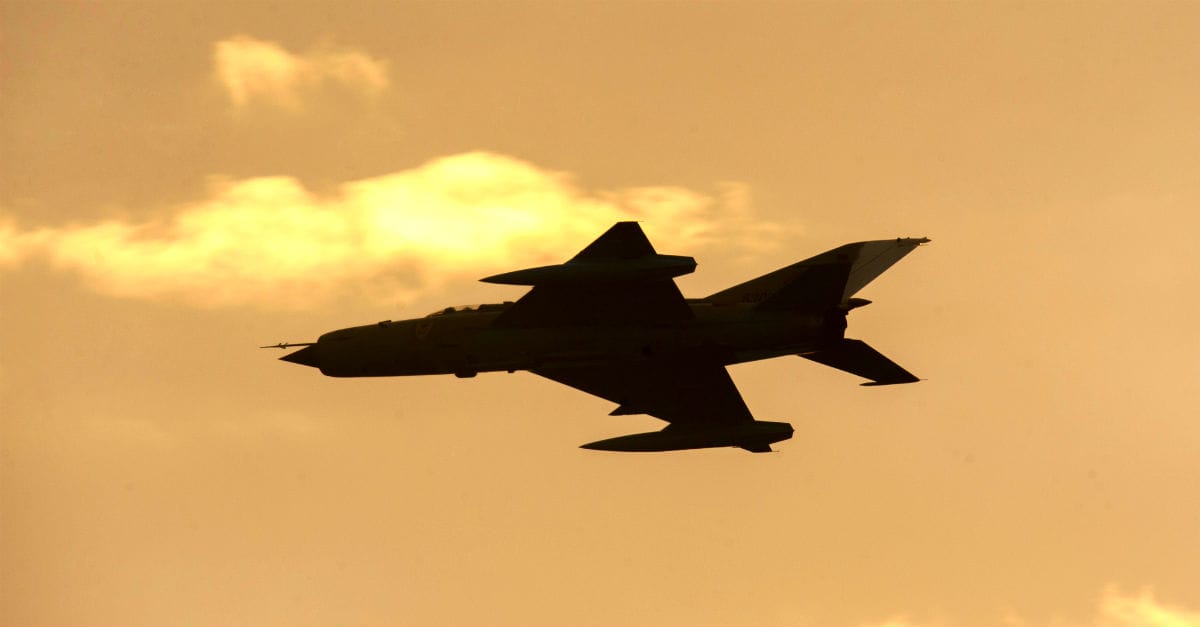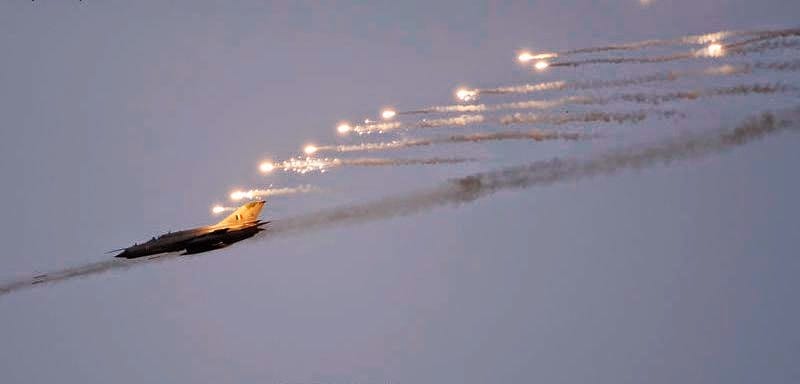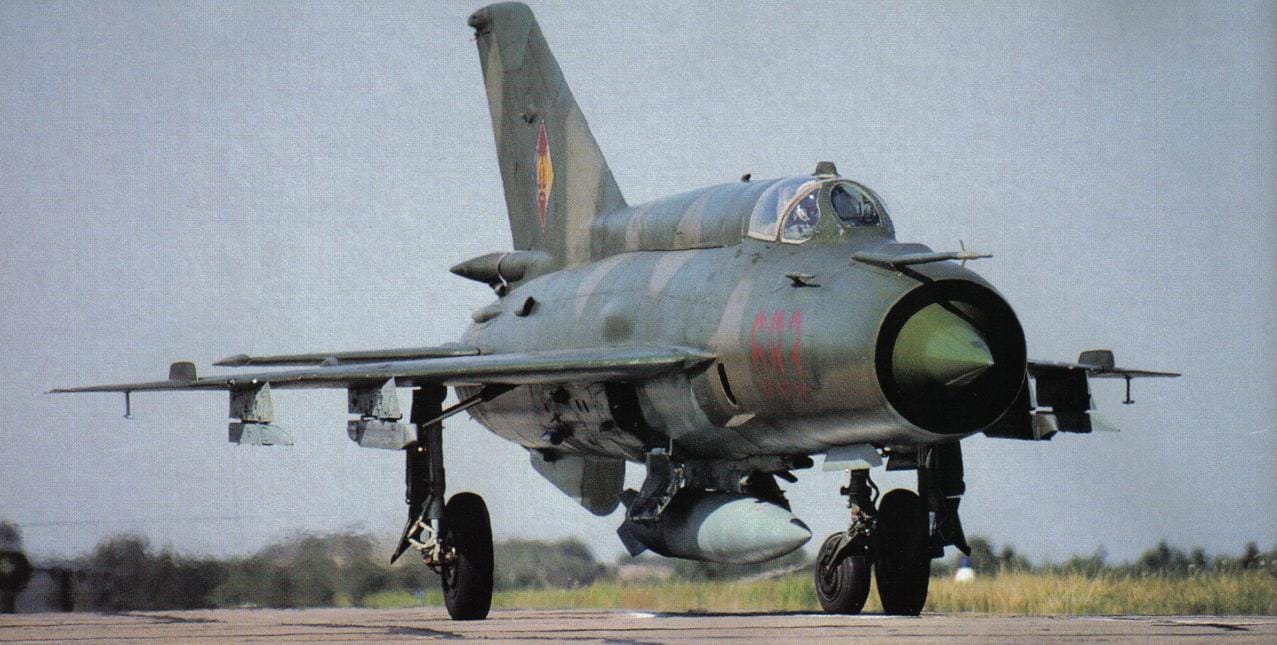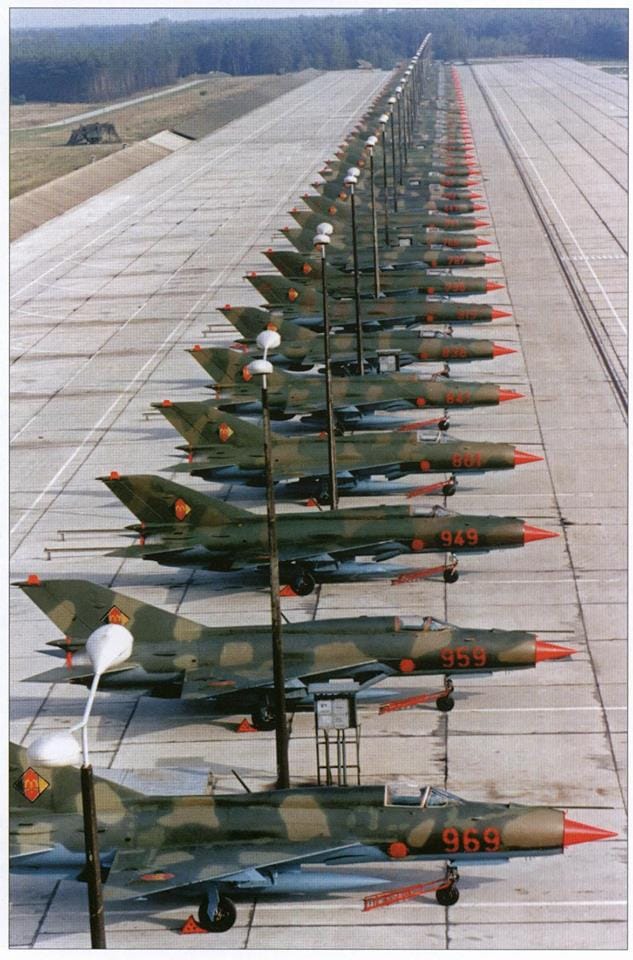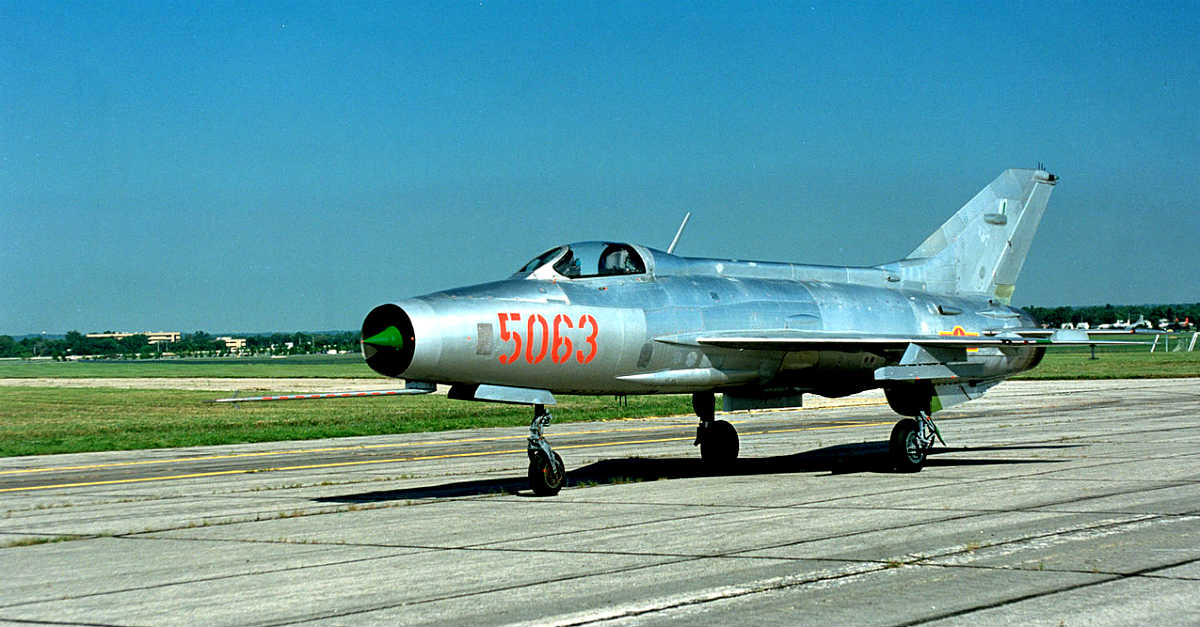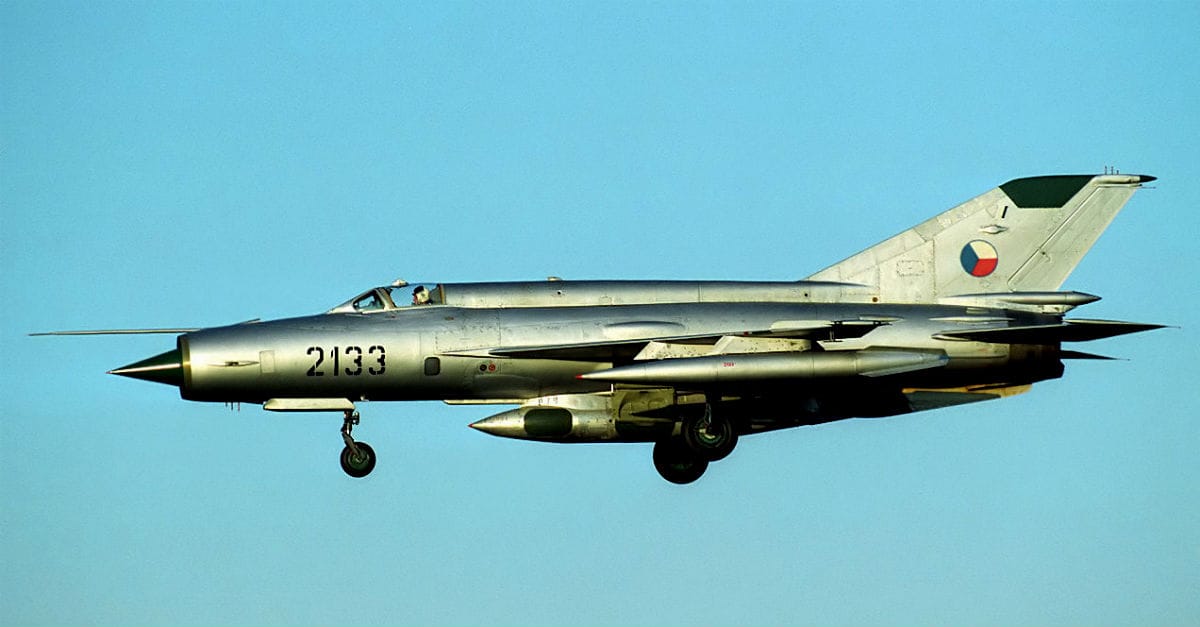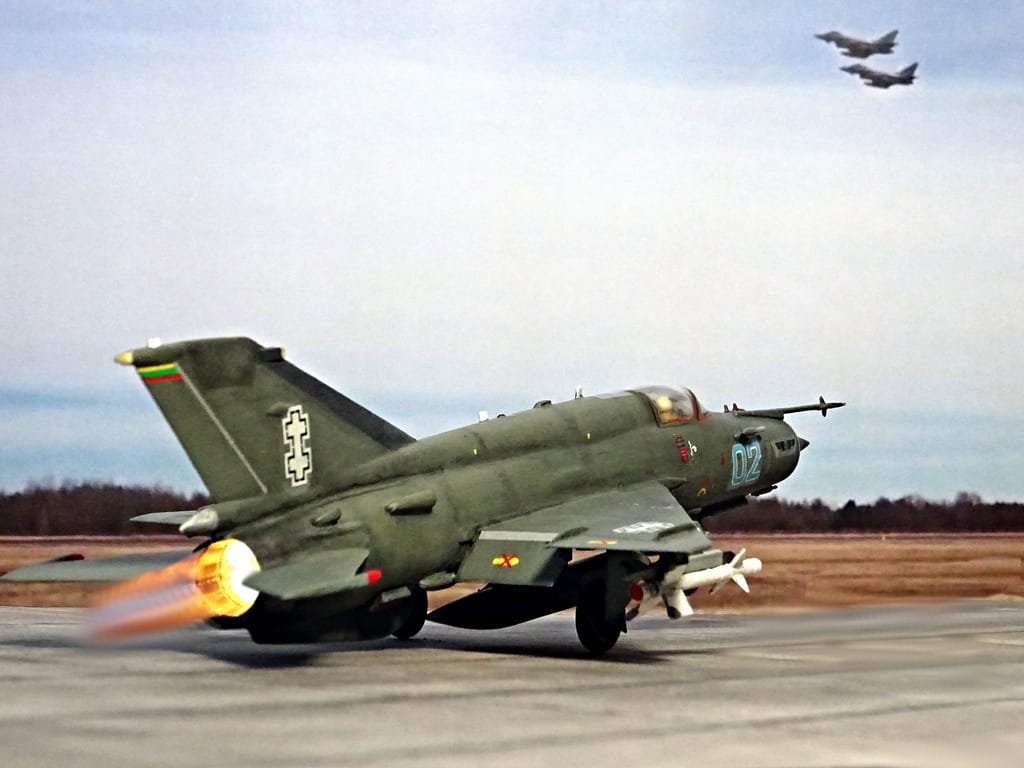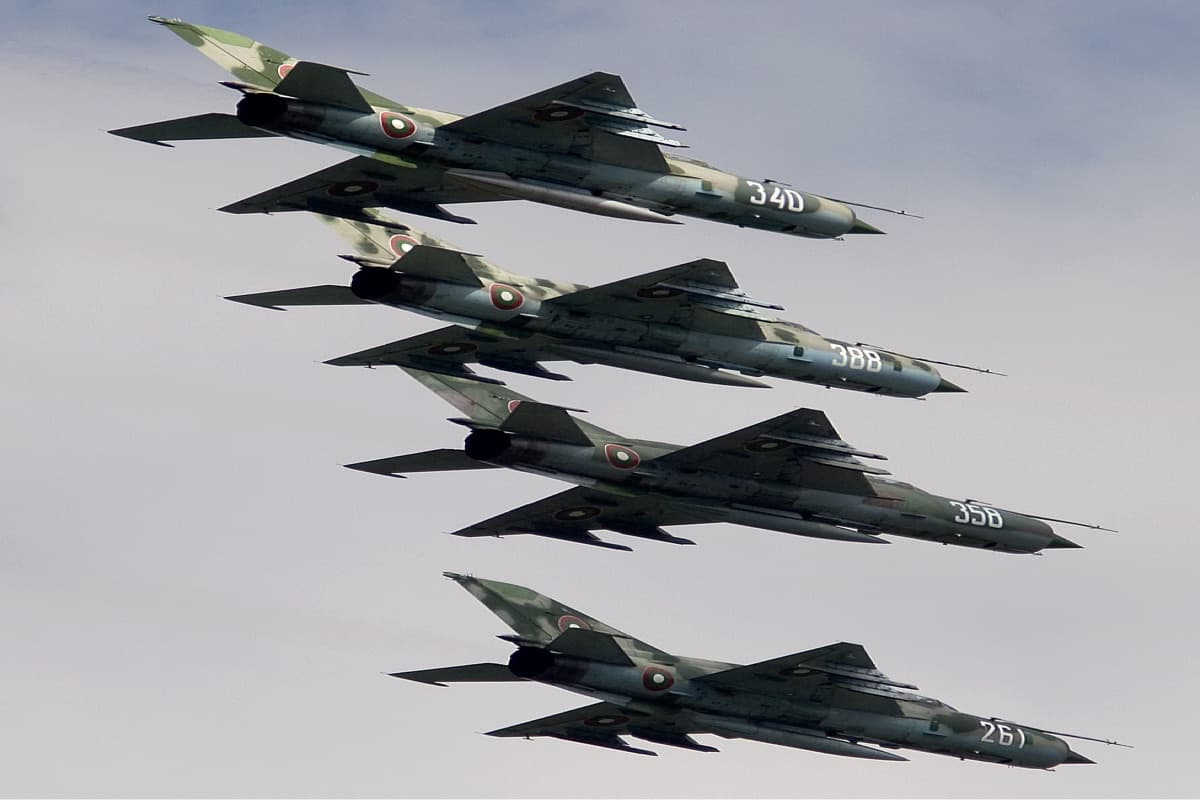

The MiG-21, known by its NATO moniker as the Fishbed, is a single engine jet fighter produced by the Mikoyan-Gurevich Design Bureau as an improvement on prior generations of the MiG-17 and MiG-19. Both had been used to great effect in both the Korean War and the Vietnam War but, surprisingly, the MiG-21 has been flying since 1953.
Cheap But Reliable:
Since its first flight, it has been exclusively sold to foreign air forces because it’s a cheap, rugged, and reliable fighter jet aircraft made to work with a ground coordinator. It lacked all the technological evolutions such as in-house long-range radar and long-range guided missile capability. Later versions incorporated an advanced avionics flight deck that allowed this fighter jet to compete with even third generation fighters. In total, over 5,000 MiG-21s have been built and they operate in over 33 countries. Outside of the F-16 Falcon, no other fighter jet has been produced to this quantity and distributed so widely.

Unique Tactics:
The MiG-21’s main battle strategy involved fast ambushes and hasty retreats. In the early days of the MiG-21, these fighter jets would optimally ambush enemy air formations and quickly speed off before a retaliatory attack. These guerrilla air ambush tactics were perfected by the North Vietnamese towards the end of the Vietnam War. Part of the reason they were necessary was a lack of advanced avionics. The MiG-21 had raw speed and excellent maneuverability. This opened it up to F-104 style offensives but precluded it from engaging in long protracted dogfights with advanced aircraft.