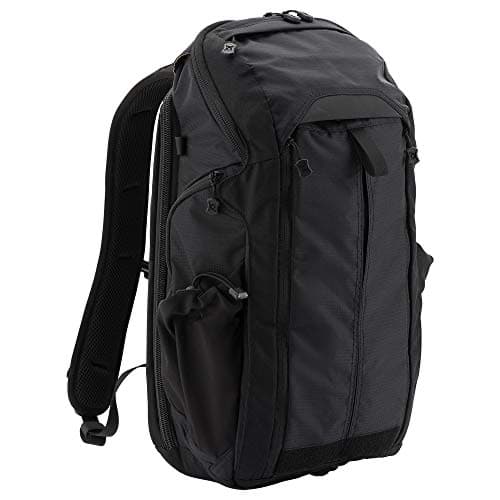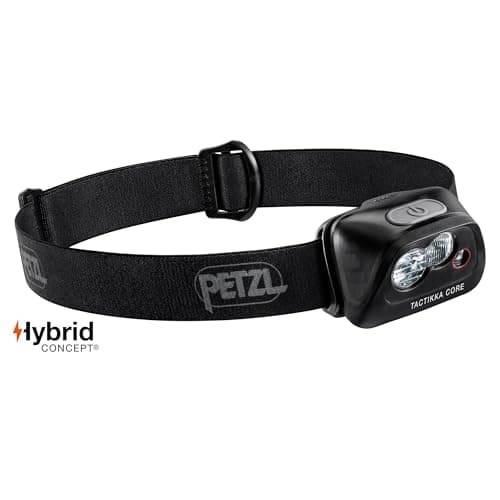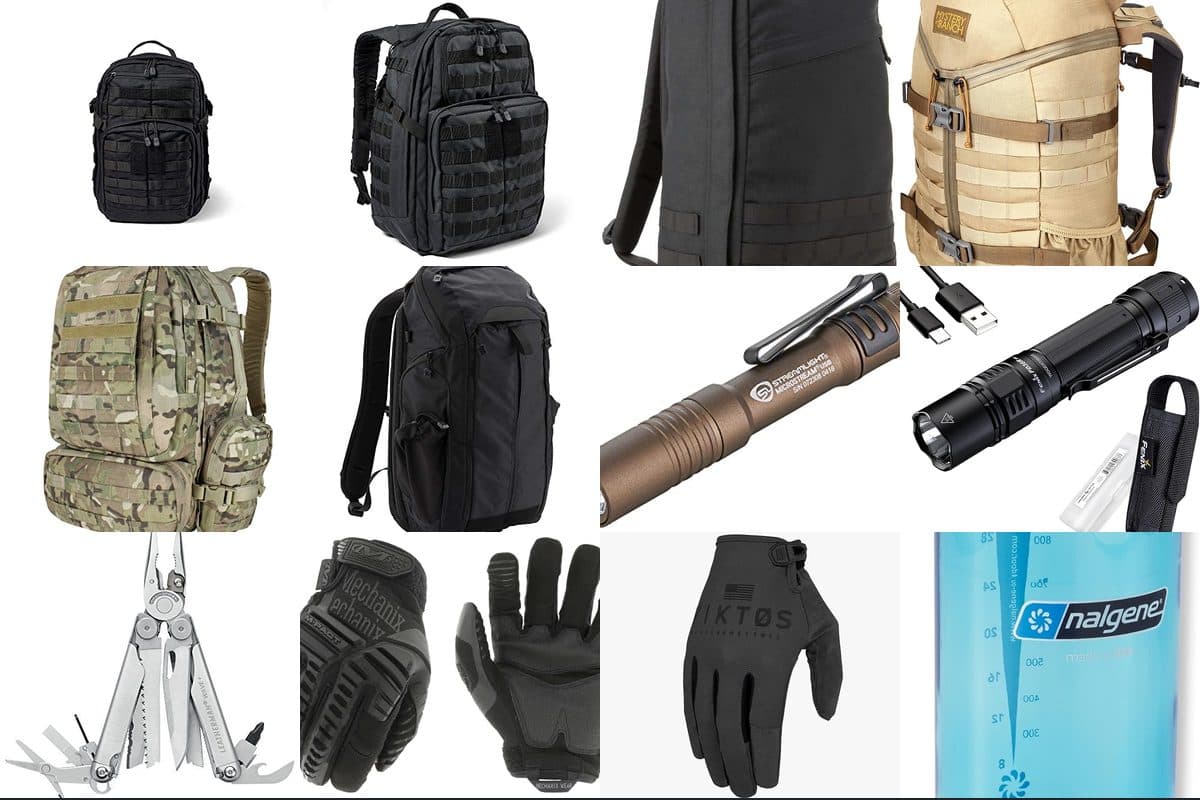

A tactical backpack is not just a bag with MOLLE webbing stitched onto it. The best ones borrow engineering from military load-bearing systems developed over decades of field testing, translating features like load-lifter straps, compartmentalized organization, and abrasion-resistant fabrics into packs that work just as well on a daily commute as they do on a three-day field exercise. The same logic applies to everyday carry gear: flashlights, multi-tools, pens, belts, and gloves that trace their DNA back to military-issue equipment but have been refined for civilian use.
We spent months testing and researching these 25 products across backpacks, flashlights, and EDC accessories. Every pick includes honest trade-offs because no product is perfect, and the best choice depends entirely on how you plan to use it. Whether you are building your first EDC loadout or upgrading a pack that has seen better days, this guide covers the full spectrum from $13 water bottles to $345 rucksacks.
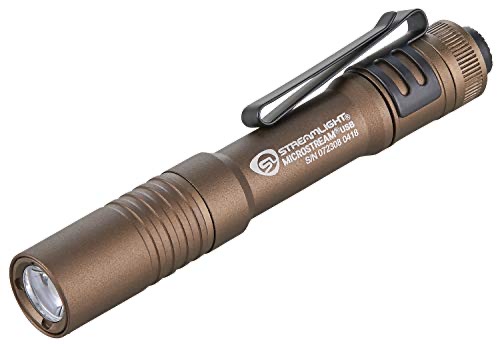
Streamlight MicroStream USB
~$26


GORUCK GR1 (26L)
$345 on Amazon
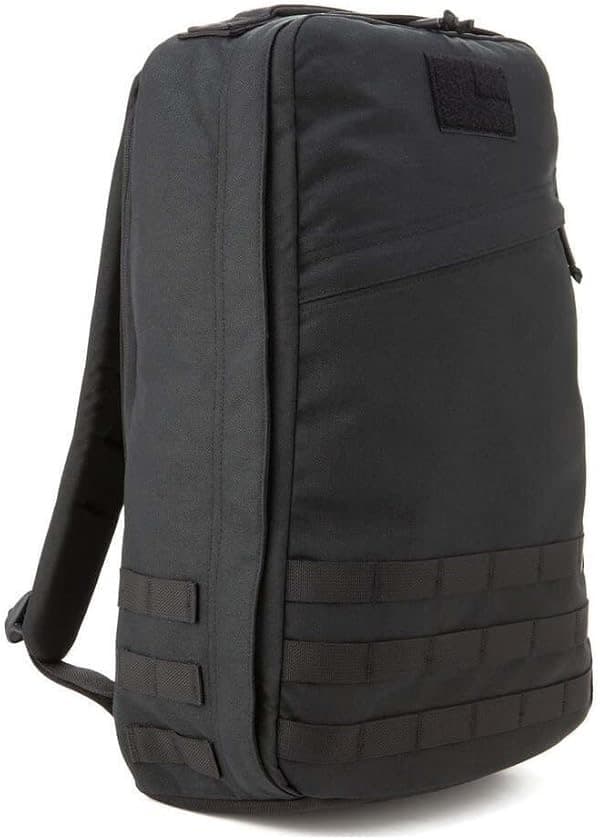
GORUCK's flagship rucksack is built in the USA from 1000D Cordura and backed by a lifetime guarantee. The GR1 was designed for Special Forces operators, and that engineering shows in every stitch. This is a buy-once, carry-forever pack.
Tactical Backpacks
Tactical backpacks split into three rough tiers: budget options under $80 that use acceptable materials with functional MOLLE; mid-range packs from $100 to $200 built with 1050D or 1680D nylon, YKK zippers, and proper load distribution; and premium rucksacks above $200 that are essentially buy-it-for-life investments. The right choice depends on how hard you plan to push the pack and how long you expect it to last.
1. 5.11 RUSH12 2.0 (24L)
~$105 on Amazon
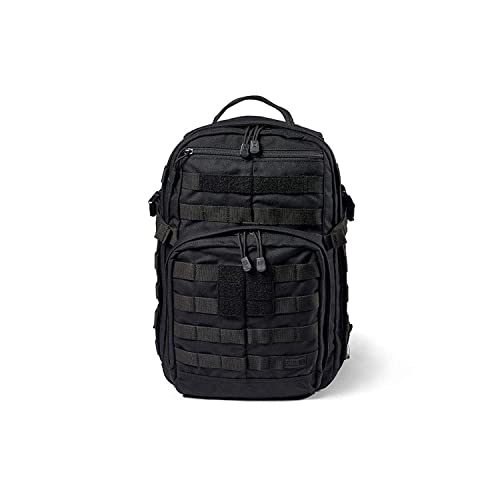
The RUSH12 2.0 is 5.11's most popular tactical pack, and for good reason. At 24 liters, it sits in the sweet spot between a commuter daypack and a full assault pack, with enough room for a laptop, change of clothes, and organized EDC gear without looking like you are heading to a forward operating base.
Best for: Daily commuters, range days, and anyone who wants a capable tactical pack that does not draw unnecessary attention
5.11 redesigned the RUSH12 with the 2.0 update to address the two biggest complaints about the original: the shoulder straps and the back panel. Both are now thicker and better contoured, and the back panel uses a channeled foam design that allows airflow during hot weather. The pack accepts a hydration bladder, includes a fleece-lined sunglasses pocket, and has enough internal organization to keep your gear separated without over-compartmentalizing. The 1050D nylon body handles daily abuse without showing wear. Its main weakness is the hip belt, which is thin and does little to transfer weight off your shoulders when the pack is fully loaded. For loads over 20 pounds, you will feel that missing support on longer carries.
2. 5.11 RUSH24 2.0 (37L)
~$145 on Amazon
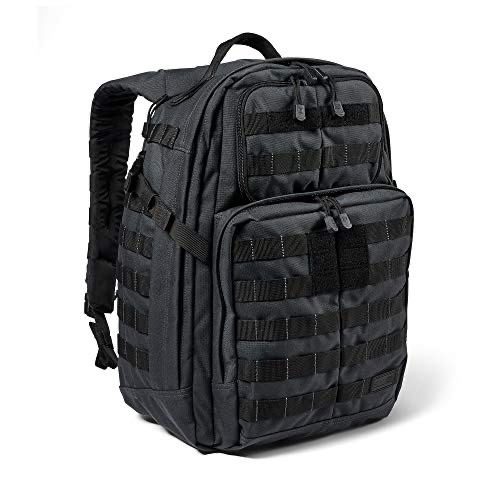
Everything the RUSH12 does well, scaled up to 37 liters. The RUSH24 2.0 adds a dedicated laptop compartment, more MOLLE real estate, and enough volume for overnight trips or heavy range days without needing a separate duffel.
Best for: Overnight trips, heavy EDC loads, range days with extra gear, and anyone who needs the step-up from a standard daypack
Stepping up from the RUSH12 gets you 13 extra liters and a true laptop compartment that sits against the back panel for better weight distribution. The RUSH24 2.0 inherits the same updated shoulder straps and ventilated back panel from the smaller model, plus adds a shove-it pocket on the front face that swallows a jacket or extra layer. Internal mesh pockets, admin panels, and zippered dividers keep gear organized even when the main compartment is packed full. The trade-off is size and weight. At 37 liters, this pack looks overtly tactical and weighs about 3.5 pounds empty. If you work in an environment where blending in matters, the RUSH12 or the Vertx Gamut below are better choices. But for pure carrying capacity at this price point, nothing in the tactical space beats the RUSH24.
3. GORUCK GR1 (26L)
~$345 on Amazon
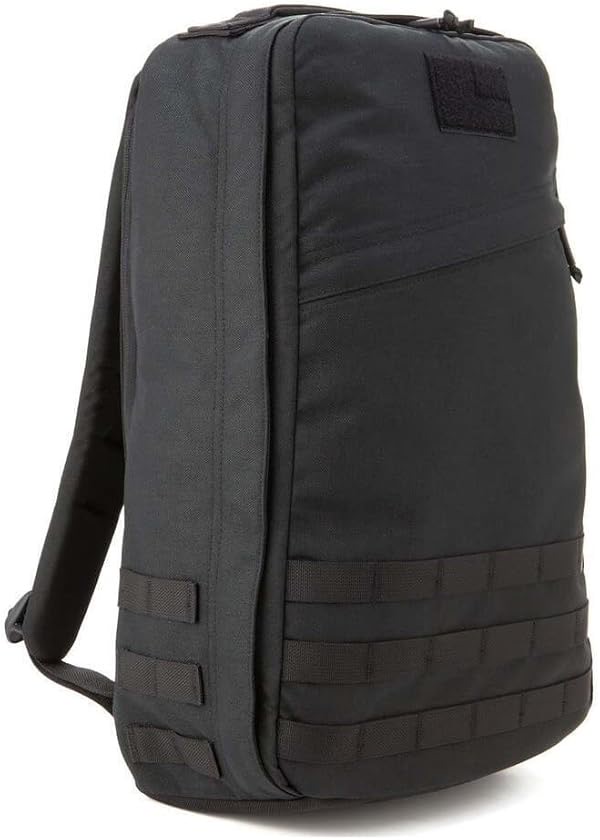
GORUCK's flagship rucksack is built in the USA from 1000D Cordura and backed by a lifetime guarantee. The GR1 was designed for Special Forces operators, and that engineering shows in every stitch. This is a buy-once, carry-forever pack.
Best for: Rucking, travel, daily carry for those who want one pack that lasts decades, and anyone willing to pay for American-made quality
GORUCK built the GR1 after founder Jason McCarthy spent years carrying gear through combat zones as a Green Beret. The design philosophy is radical simplicity: one main compartment with a clamshell opening, a padded laptop sleeve, a few internal pockets, and bombproof construction. No excess zippers, no gimmicks. The 1000D Cordura exterior shrugs off abrasion that would destroy lighter fabrics, and every seam is bar-tacked at stress points. Where the GR1 falls short is in organization. The minimalist interior means everything goes into one big bucket unless you add GORUCK's field pockets or third-party organizers. The price is also a serious barrier, sitting at $345 for the standard model. You are paying for American manufacturing, a lifetime warranty, and construction that will outlast you. Whether that math works for your budget is a personal call.
4. Mystery Ranch 2 Day Assault (27L)
~$199 on Amazon
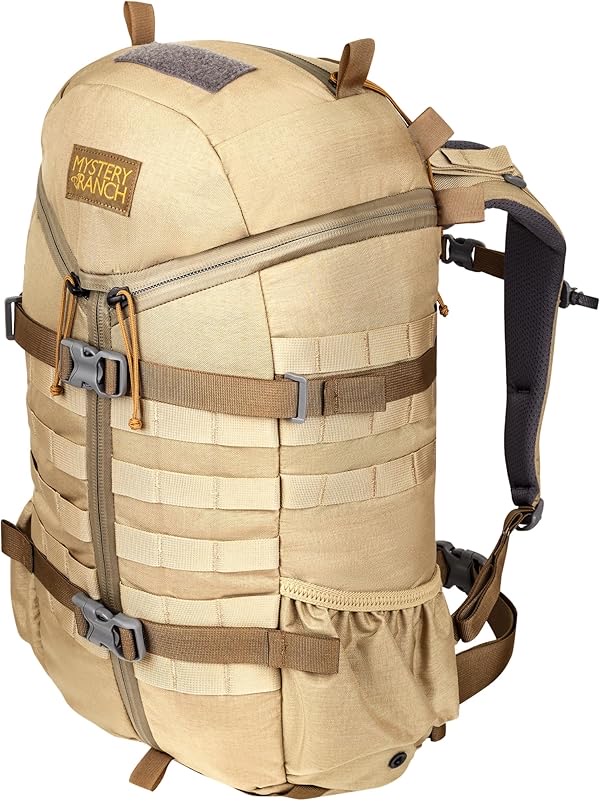
Mystery Ranch's suspension system is in a class of its own. The 2 Day Assault uses their patented 3-ZIP design and a frame sheet that distributes weight better than any other tactical pack in this size class. If you carry heavy loads for extended periods, this is the pack to beat.
Best for: Long hikes, all-day carries, and anyone who prioritizes load comfort above all else
Mystery Ranch supplies packs to wildland firefighters, military units, and search-and-rescue teams who demand comfort under load. The 2 Day Assault borrows that DNA for a smaller, urban-friendly format. The 3-ZIP design lets you open the main compartment from the top or peel the entire front panel open like a suitcase, giving you full access to everything inside without digging. A rigid frame sheet sits against your back and channels weight to the hip belt, which actually works on this pack unlike many tactical competitors. The downside is the 500D Cordura body. While still durable, it is noticeably lighter than the 1000D or 1050D fabrics on the GORUCK and 5.11 packs above. Abrasion resistance is lower, and the pack will show wear faster under rough use. The 3-ZIP closure also takes practice to use efficiently, and the zippers require two hands to operate quickly.
5. Condor 3 Day Assault (50L)
~$75 on Amazon
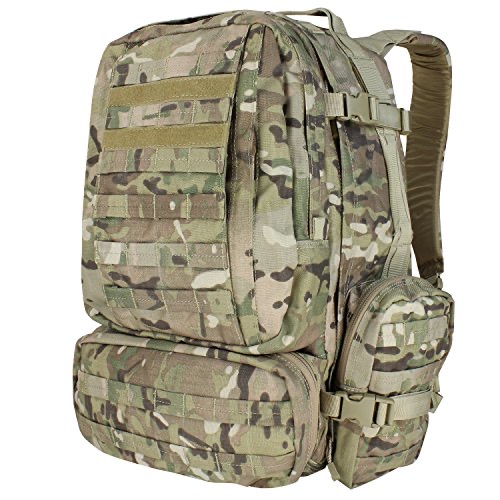
Fifty liters of capacity for under $80. Condor's 3 Day Assault pack offers more volume per dollar than anything else in the tactical space, with three main compartments, extensive MOLLE webbing, and dual side pouches for water bottles or long items.
Best for: Bug-out bags, camping trips, anyone who needs maximum volume on a tight budget
Condor carved out a niche by delivering functional tactical gear at prices that undercut the competition by 50% or more. The 3 Day Assault pack is their bestseller, and it does a lot right for the money. Three zippered compartments provide solid organization, the hydration pocket accepts standard 3L bladders, and MOLLE coverage on the exterior lets you attach pouches across the entire surface. At 50 liters, it swallows enough gear for a long weekend in the field. Where you feel the price savings is in the materials. The polyester body does not match the tear strength of Cordura, zippers are not YKK grade, and the stitching can show loose threads at stress points after extended use. Shoulder straps also lack the padding depth you get on $150+ packs, so heavy loads become uncomfortable faster. For the price, it is an excellent entry point, but do not expect 5.11 or GORUCK durability.
6. Condor Compact Assault (24L)
~$60 on Amazon
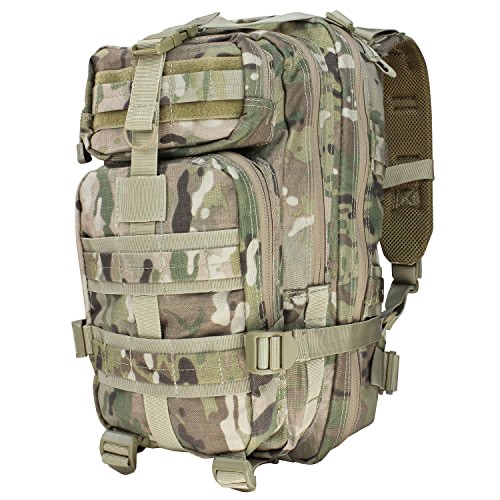
Condor's smaller pack matches the RUSH12 in capacity at nearly half the price. Two main compartments, a hydration sleeve, and MOLLE webbing on three sides provide the core features most people need without the premium price tag.
Best for: Budget-conscious buyers who want a MOLLE daypack for commuting, hiking, or general use without spending over $100
Think of this as the RUSH12's budget alternative. At 24 liters, the Compact Assault holds a day's worth of gear with room left over, and the two-compartment layout keeps your main carry separated from smaller items in the front pocket. MOLLE rows across the front and sides accept standard pouches if you want to expand capacity. The hydration sleeve fits most 2.5L bladders. Same caveats apply as the larger Condor above: polyester instead of Cordura, non-YKK zippers, and thinner padding on the shoulder straps. The pack also lacks a dedicated laptop sleeve, so you will need a separate padded insert if you plan to carry electronics daily. For range trips, hiking, or as a grab-and-go bag, though, the value proposition is strong.
7. Vertx Gamut 2.0 (25L)
~$170 on Amazon
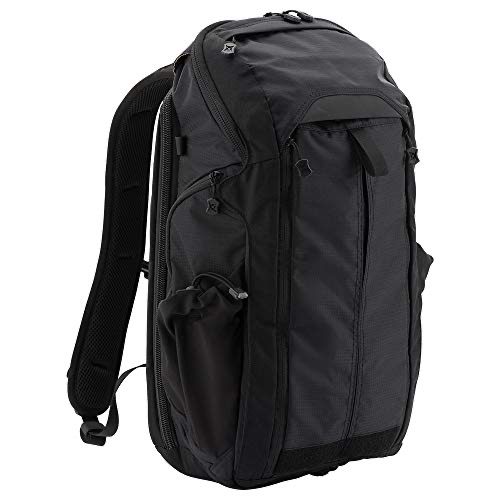
Vertx specializes in tactical gear that does not look tactical. The Gamut 2.0 hides its MOLLE webbing behind a clean exterior and uses a profile that could pass in any office or airport. All the capability, none of the operator aesthetic.
Best for: Office environments, travel, concealed carry users, and anyone who wants tactical features without the tactical look
Vertx was founded by former special operations personnel who wanted bags that worked in both military and civilian contexts without screaming "tactical." The Gamut 2.0 delivers on that promise. From the outside, it reads like a standard commuter backpack. Open the flap behind the back panel, and there is a full MOLLE field for internal organization. A dedicated CCW compartment sits against your back with loop Velcro for holster attachment. The 1680D nylon body is actually tougher than most overt tactical packs in this price range. The trade-off is accessibility. The covert design means some compartments require extra steps to reach compared to a traditional tactical layout. The price is also $65 more than the RUSH12 for similar volume, and you are paying a premium for that low-profile design language. If blending in does not matter to you, the 5.11 packs offer better value per feature.
8. Helikon-Tex Raccoon Mk2 (20L)
~$65 on Amazon
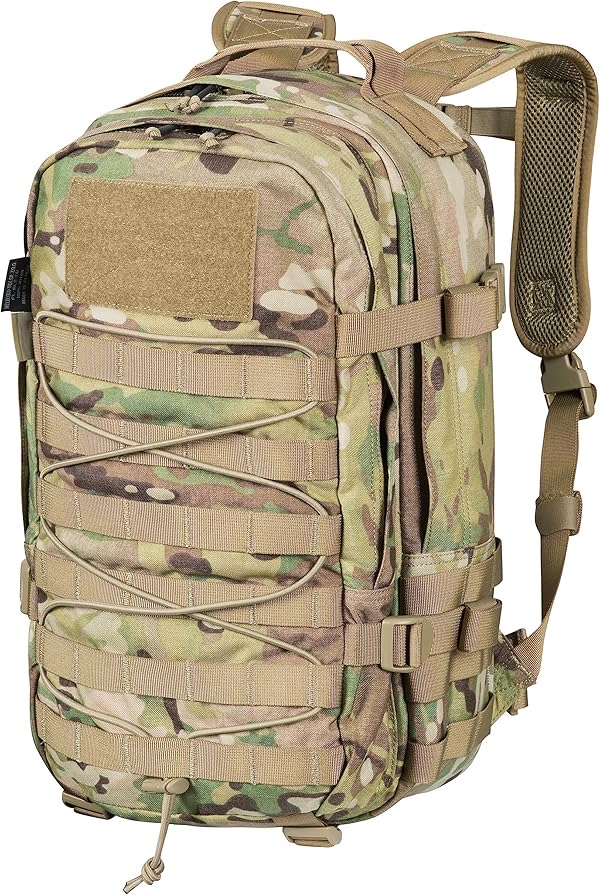
Polish-made Helikon-Tex has built a strong following in European military and law enforcement circles. The Raccoon Mk2 packs Cordura construction, laser-cut MOLLE, and a padded back panel into a compact 20-liter package at a price that rivals Condor's polyester packs.
Best for: Buyers who want Cordura quality at a budget price, European military gear fans, and anyone who needs a compact 20L daypack
Helikon-Tex offers something unusual at this price: actual Cordura fabric instead of generic polyester. The Raccoon Mk2 uses 500D Cordura throughout, which puts its abrasion resistance well above Condor's offerings despite costing roughly the same. Laser-cut MOLLE looks cleaner than traditional webbing and saves weight. Internal organization is straightforward with a main compartment, front admin pocket, and hydration sleeve. At 20 liters, it is the smallest pack in this roundup, which limits its use case to day trips and light daily carry. The shoulder straps are also thinner than what you get on the 5.11 or Mystery Ranch packs, and there is no frame sheet or load-transfer system. For heavy loads, comfort drops off quickly. But as a compact, well-made daypack at a budget price, the Raccoon Mk2 punches well above its weight class.
9. 5.11 MOAB 10 Sling (18L)
~$95 on Amazon
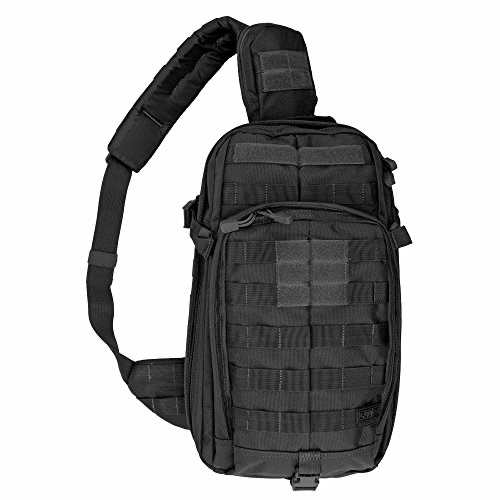
Not everyone wants a two-strap backpack. The MOAB 10 sling carries 18 liters across a single padded shoulder strap, letting you swing the bag to your front for quick access without removing it. Popular with concealed carry users and anyone who values rapid access to their gear.
Best for: CCW carriers, urban EDC, situations where quick bag access matters more than heavy load capacity
Sling bags trade load distribution for accessibility, and the MOAB 10 is the best tactical option in that category. The single-strap design lets you rotate the entire bag from back to chest in one motion, giving you instant access to the main compartment, CCW pocket, or admin panel. Internal organization mirrors what you would expect from 5.11: fleece-lined pockets, zippered mesh dividers, and a hydration sleeve. The 1050D nylon body matches the RUSH series in durability. The inherent weakness of any sling bag is weight distribution. Carrying more than 15 pounds on one shoulder gets uncomfortable within an hour, and there is no way to fix that with padding or strap adjustments. If your daily carry exceeds 10 to 12 pounds, a traditional backpack will serve you better. The MOAB 10 works best as a secondary bag or a light daily carry option.
Tactical Flashlights
A good flashlight is the single most underrated piece of EDC gear. You use it more often than a knife, more often than a multi-tool, and in situations where nothing else will do. Tactical flashlights differ from consumer models in three areas: tail-cap activation for momentary-on use, aggressive knurling for grip retention, and output levels designed for both navigation and target identification. Here are four lights that cover every budget.
10. Streamlight MicroStream USB (250 Lumens)
~$26 on Amazon
Pen-sized, USB rechargeable, and 250 lumens on high. The MicroStream USB is the flashlight that converts people who never thought they needed to carry a light. Small enough to clip inside a pocket and forget about until you need it.
Best for: First-time EDC flashlight users, pocket carry, anyone who wants a reliable light without spending $100+
Streamlight packed a surprising amount of performance into a body that weighs just over an ounce. High mode pushes 250 lumens, which is enough to light up a dark parking lot or check under a vehicle. Low mode drops to 50 lumens and stretches runtime to over two hours. The built-in micro-USB port eliminates the need for replacement batteries. Where the MicroStream falls short is in throw distance and sustained output. The small reflector produces a wide, floody beam that works great at close range but fades fast beyond 50 meters. Extended use on high mode also generates noticeable heat in the small aluminum body. For a pocket light you carry every day and use for quick tasks, those trade-offs are perfectly acceptable.
11. Streamlight ProTac 2L-X (500 Lumens)
~$46 on Amazon
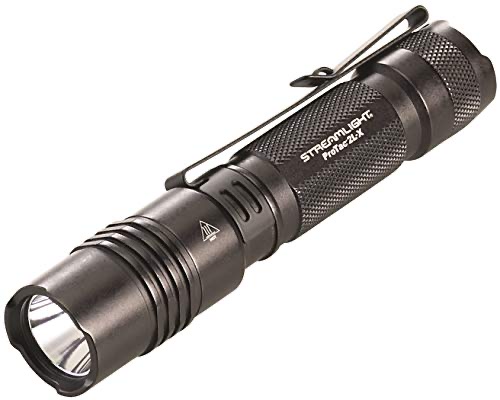
Doubling the MicroStream's output with a still-pocketable body, the ProTac 2L-X bridges the gap between a basic EDC light and a full-size tactical torch. Ten-Tap programmable modes let you set the switch sequence to match your preferences.
Best for: Security work, night walks, anyone who wants more power than a pen light without carrying a full-size flashlight
Streamlight's ProTac line has been a law enforcement and military staple for years, and the 2L-X is the sweet spot of the family. At 500 lumens on high, it produces a tight center beam with enough spill to maintain peripheral awareness. The dual-fuel design accepts both the included rechargeable battery and disposable CR123A cells, so you are never stuck without power. IPX7 waterproofing means submersion up to one meter for 30 minutes. The limitation here is the tail-cap-only interface. There is no side switch, so mode changes require clicking through the programmed sequence. In high-stress situations, some users prefer a dedicated mode switch. The body is also slightly too thick for slim pocket carry, so most people end up using a belt holster or clipping it inside a pack.
12. Fenix PD36R Pro (2800 Lumens)
~$115 on Amazon
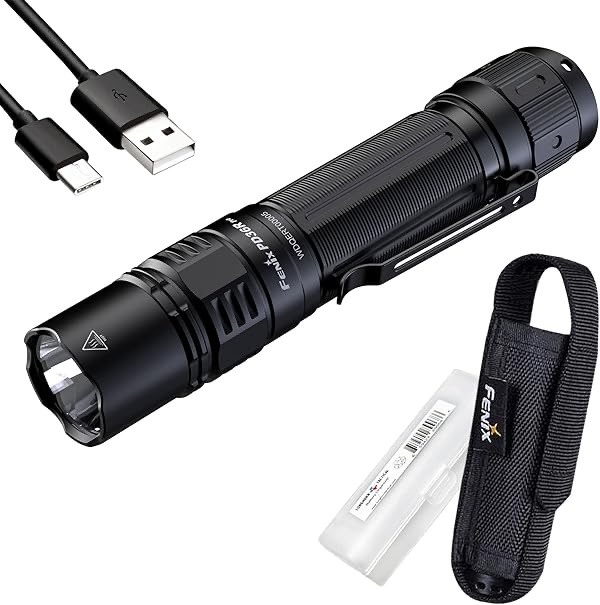
Nearly 3,000 lumens from a flashlight that still fits in a jacket pocket. The PD36R Pro represents the current peak of compact flashlight technology, with USB-C charging, a 380-meter throw, and intelligent thermal regulation that prevents overheating.
Best for: Search tasks, outdoor use, security patrols, and flashlight enthusiasts who want maximum output in a compact form
Fenix has been quietly building some of the most capable flashlights on the market, and the PD36R Pro is their current flagship compact. Turbo mode blasts 2,800 lumens for short bursts, while the 1,000-lumen high mode sustains for over two hours. A dual-switch interface separates on/off from mode selection, which eliminates the fumbling that single-switch lights force on you. USB-C charging is a welcome upgrade from micro-USB, and the included 21700 battery provides substantially more runtime than 18650-based competitors. The trade-off is heat. At turbo output, the body gets hot fast, and the thermal regulation steps the light down within 60 seconds. You also cannot use the 2,800-lumen mode as your default carry setting since it drains the battery in under an hour. Think of turbo as an emergency reserve, not a daily mode. At $115, it costs more than most people need to spend on a flashlight, but the build quality and feature set justify the price for serious users.
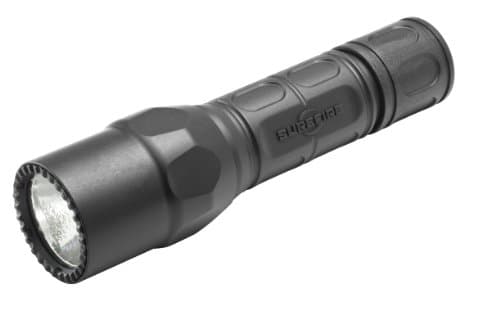
13. SureFire EDCL2-T (1200 Lumens)
~$135 on Amazon
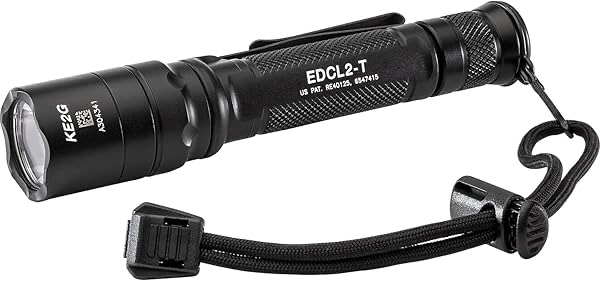
SureFire is the name most military and law enforcement professionals reach for first. The EDCL2-T delivers 1,200 lumens from a hard-anodized aluminum body built to mil-spec tolerances, with a tail-cap switch designed for one-handed tactical operation.
Best for: Duty use, professionals who need absolute reliability, anyone who trusts their life to their flashlight
SureFire built its reputation supplying flashlights to US special operations forces, and the EDCL2-T carries that pedigree. The construction is overbuilt in the best possible way: precision-machined aluminum, hard-anodized finish, and a tail cap that will survive being dropped on concrete repeatedly. The dual-output tail switch gives you 5 lumens with a soft press and 1,200 lumens with a full click, which is the exact interface tactical users want. No modes to scroll through, no UI to learn. Soft or hard, that is it. The weakness is the reliance on CR123A batteries. No USB charging, no rechargeable option from the factory. You are buying disposable lithium cells at roughly $2 each. Runtime on high is also only 1.5 hours with two CR123As. The Fenix above delivers more lumens for longer at a lower cost per charge. But SureFire is not competing on specs. It is competing on reliability under conditions where failure is not an option.
EDC Accessories
The gear you carry alongside your pack and flashlight defines how prepared you actually are for daily tasks. Multi-tools, pens, gloves, belts, and water bottles might not be exciting purchases, but they are the items you reach for most often. Cheap versions of these products fail at the worst times. The picks below balance durability, function, and value across twelve essential EDC categories.
Multi-Tools
14. Leatherman Wave+
~$110 on Amazon
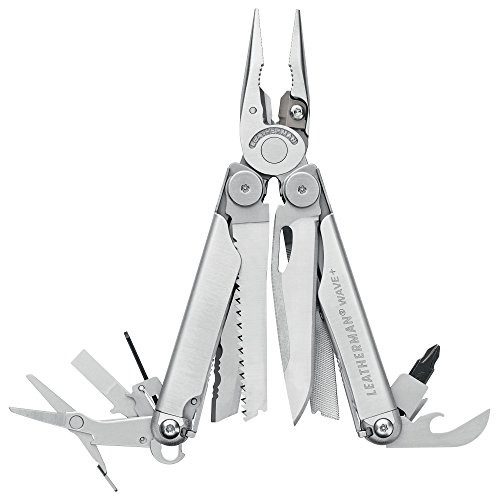
The Wave+ has been the bestselling multi-tool in America for years, and that position is well earned. Eighteen tools including pliers, wire cutters, replaceable knife blades, and a bit driver, all accessible with one hand from the outside of the handle.
Best for: Anyone who wants a single tool that handles 90% of daily tasks, backed by a 25-year warranty
Leatherman designed the Wave+ around a simple principle: the tools you use most should be accessible without fully opening the handle. Both knife blades and the file/saw deploy from the outside with one hand, which sounds like a minor detail until you are holding a flashlight in the other hand while trying to cut zip ties. The pliers are spring-loaded for less hand fatigue, and the replaceable wire cutter inserts mean you do not have to replace the entire tool when the cutters dull. The main weakness is the scissors, which are small and flimsy compared to dedicated scissors. Cutting anything thicker than paper or light fabric becomes a struggle. The Wave+ also lacks a pocket clip out of the box, shipping instead with a belt sheath that many EDC users find bulky. A separate pocket clip accessory costs extra.
Tactical Pens
15. Fisher Space Pen Bullet 400B
~$27 on Amazon
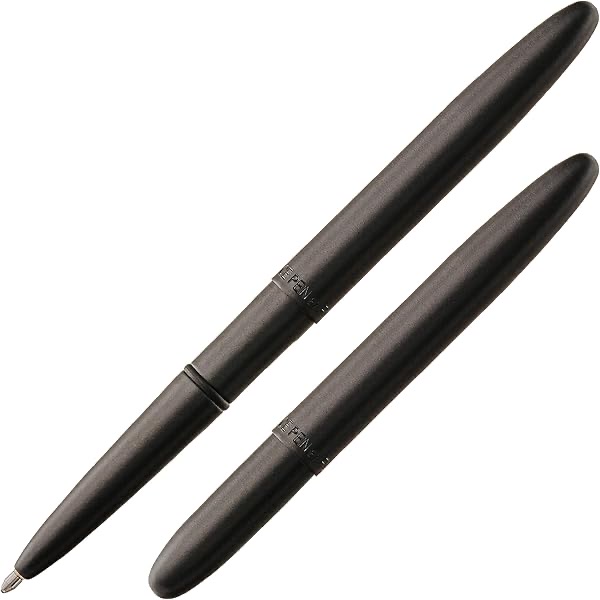
Fisher's pressurized ink cartridge writes upside down, in extreme cold, on wet surfaces, and at any angle. The Bullet form factor collapses to under 4 inches and expands to a full-size pen when posted. Carried by astronauts, military personnel, and anyone who needs a pen that always works.
Best for: Compact EDC, field use in any weather, anyone who needs a pen that works in conditions where normal pens fail
Fisher developed the pressurized cartridge for NASA in the 1960s, and the core technology has not changed because it did not need to. Nitrogen pressure forces the ink out regardless of gravity, temperature, or surface moisture. The Bullet's brass body resists corrosion and develops a pleasant patina over years of pocket carry. Posted (cap on the back), it writes like a normal full-length pen. The weakness is the writing experience itself. The pressurized cartridge produces a thicker, less precise line than a quality ballpoint or gel pen. If you do a lot of writing, the Fisher works but does not feel as refined as a nicer office pen. It also posts slightly back-heavy, which some users find fatiguing during extended writing sessions. For jotting quick notes in any condition, though, nothing else matches it.
16. Gerber Impromptu Tactical Pen
~$65 on Amazon
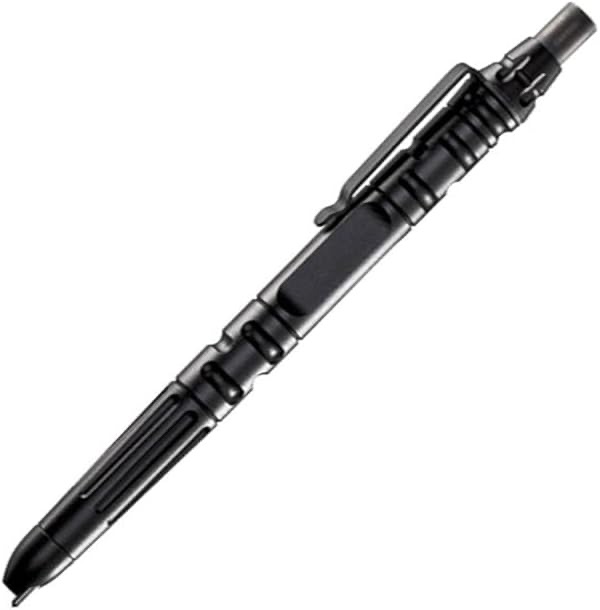
Built like a weapon (because it partially is one), the Gerber Impromptu uses a machined steel body with a Rite in the Rain ink cartridge and a tempered steel tip that doubles as a glass breaker. This is the tactical pen that law enforcement officers actually carry.
Best for: Law enforcement, security professionals, emergency preparedness, and anyone who wants a pen that can break a car window
Gerber designed the Impromptu after consulting with law enforcement officers who wanted a pen they could actually use as both a writing instrument and a defensive tool. The push-button mechanism deploys the pen tip with authority, and the Rite in the Rain cartridge writes reliably on wet paper. The tempered steel tip on the opposite end concentrates enough force to shatter tempered glass in an emergency. Weight and size are the trade-offs. At roughly 2.5 ounces, this is a noticeably heavy pen, and the thick barrel does not fit standard pen loops. Some jurisdictions also restrict tactical pens in certain buildings, so check local regulations before carrying it everywhere. For $65, it is expensive as a writing instrument but reasonable as a dual-purpose tool.
Tactical Gloves
17. Mechanix M-Pact Gloves
~$30 on Amazon
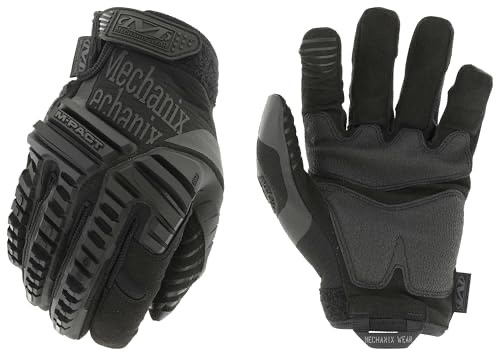
Mechanix built their reputation in motorsports and the brand crossed over to military use when troops started buying them out of pocket. The M-Pact adds TPR knuckle guards and D3O palm padding to the standard Mechanix formula, providing impact protection without sacrificing dexterity.
Best for: Range use, mechanical work, outdoor activities, and general-purpose tactical gloves at a fair price
The M-Pact is the glove you see on the hands of mechanics, soldiers, and competition shooters alike, and that versatility is its greatest strength. TPR (thermoplastic rubber) guards across the knuckles absorb impact, while D3O padding in the palm hardens on contact to protect against vibration and compression. Touchscreen-compatible fingertips let you use your phone without removing them. Durability is adequate for the price, but these are not buy-it-for-life gloves. Expect six to twelve months of heavy use before the fingertips wear through, particularly at the trigger finger. The synthetic leather palm also loses grip when saturated with water. For $30, replacing them annually is reasonable, but if you need gloves that last longer under hard use, step up to the VIKTOS below.
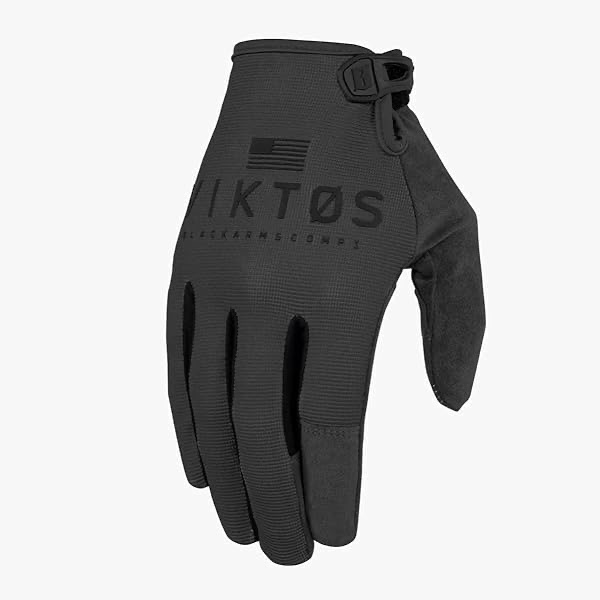
18. VIKTOS Operatus Gloves
~$50 on Amazon
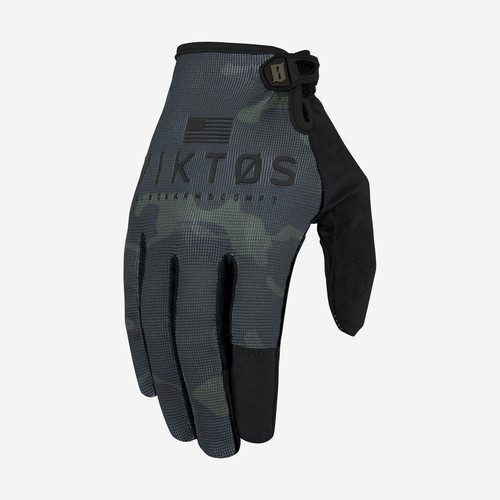
VIKTOS makes gear specifically for military and law enforcement professionals, and the Operatus gloves reflect that focus. Leather palms, reinforced fingertips, and a snug fit that allows fine motor tasks like magazine changes and radio operation without removing the gloves.
Best for: Professionals who need durable, dexterous gloves for daily duty use and are willing to invest in quality
VIKTOS designed the Operatus for users who need to feel what they are doing through the glove. The leather palm provides natural grip that improves as it breaks in, and the slim profile across the fingers allows manipulation of small objects, zippers, and buttons without the clumsy bunching that plagues thicker tactical gloves. Reinforced fingertips extend the lifespan at the highest-wear points. The breathable mesh back panel keeps hands from overheating during warm-weather use. The trade-off is cold-weather performance. These are not insulated gloves, and the breathable design means wind cuts right through in winter conditions. Sizing also runs tight, so ordering a half-size up is worth considering. At $50, they cost more than Mechanix but last significantly longer under similar use patterns.
Tactical Belts
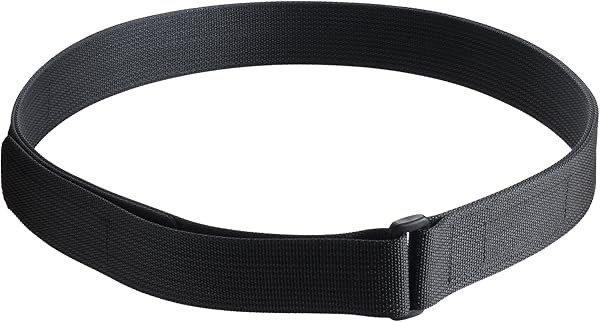
19. KORE X7 Tactical Belt
~$65 on Amazon
KORE's ratchet system replaces traditional belt holes with a track that adjusts in quarter-inch increments. The X7 uses a reinforced nylon strap rated for gun belt duty, meaning it holds a holstered sidearm without sagging or rolling over.
Best for: Concealed carry, anyone who hates belt holes that are never in the right position, and daily wear with fluctuating waist sizes
Traditional belt holes force you into fixed positions that are never quite right, especially when your waistline shifts between meals or sitting. KORE's ratchet mechanism fixes this with a hidden track inside the strap that locks in quarter-inch increments. The release lever under the buckle lets you loosen or tighten with one hand. The X7 version uses a stiffened nylon strap designed to support a holstered firearm without the belt sagging on the draw side. The downside is the buckle, which is bulkier than a standard belt buckle and can print through thin shirts. The ratchet mechanism also requires a small learning curve, and the initial sizing process involves trimming the strap to length, which is irreversible. Once dialed in, though, most users report that they cannot go back to a traditional belt.
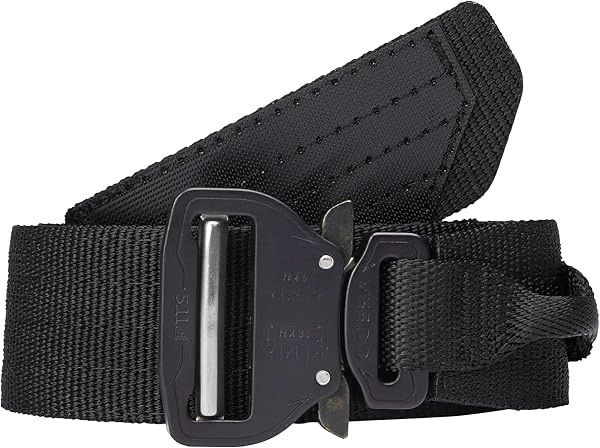
20. Blue Alpha EDC Belt
~$45 on Amazon
Blue Alpha stripped the tactical belt down to essentials: a low-profile Cobra-style buckle, a stiff double-layer nylon strap, and no excess hardware. The result is a belt rigid enough for holster support that looks appropriate with casual or business-casual clothing.
Best for: Low-profile concealed carry, everyday wear where a tactical look is not appropriate, and anyone who wants one belt for both work and range
Blue Alpha started as a small operation making belts for competitive shooters who needed something stiff enough to hold a loaded holster but slim enough to wear through standard belt loops. That niche expertise shows in the EDC belt. The double-layer nylon construction provides rigidity that rivals belts twice its thickness, and the low-profile buckle sits flat against your body. It passes through airport metal detectors without issue. The limitation is micro-adjustability. Unlike the KORE ratchet above, this belt uses a traditional friction-buckle design where you slide the strap through and tension holds it in place. Getting the exact tightness you want takes more fiddling than a ratchet system, and the belt can loosen slightly over the course of a long day. The 1.5-inch width also will not fit some smaller belt loops on dress pants.
21. 5.11 Maverick Belt
~$60 on Amazon
5.11's Maverick splits the difference between a rigid duty belt and a comfortable daily belt. The proprietary buckle system stays locked under load while releasing cleanly when you want it off. Stiff enough for holster use, flexible enough for all-day comfort.
Best for: Duty use, heavy holster and magazine carrier setups, and anyone who needs a belt that handles the weight of a full EDC loadout
5.11 produces some of the most-carried duty belts in law enforcement, and the Maverick represents their latest thinking on the balance between rigidity and wearability. The dual-lock buckle prevents accidental release under load but opens smoothly when you squeeze both sides intentionally. Belt stiffness is high enough to support a holstered sidearm, spare magazine, and flashlight without visible sag. The obvious limitation is aesthetics. This belt looks tactical and does not pretend otherwise. The wide nylon webbing and metal buckle hardware will not blend into a business environment. It also sits at the same price point as the Blue Alpha above, which manages to be stiffer while looking more subtle. If overt tactical appearance does not bother you, though, the Maverick's load-bearing performance is hard to beat at this price.
Water Bottles
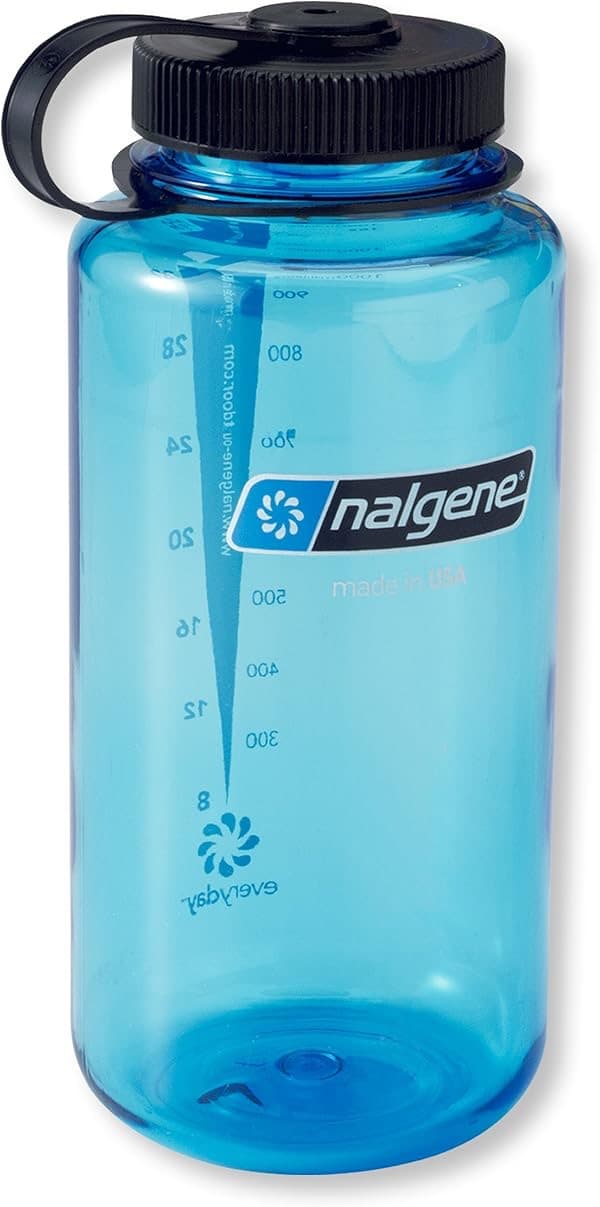
22. Nalgene Wide Mouth 32oz
~$13 on Amazon
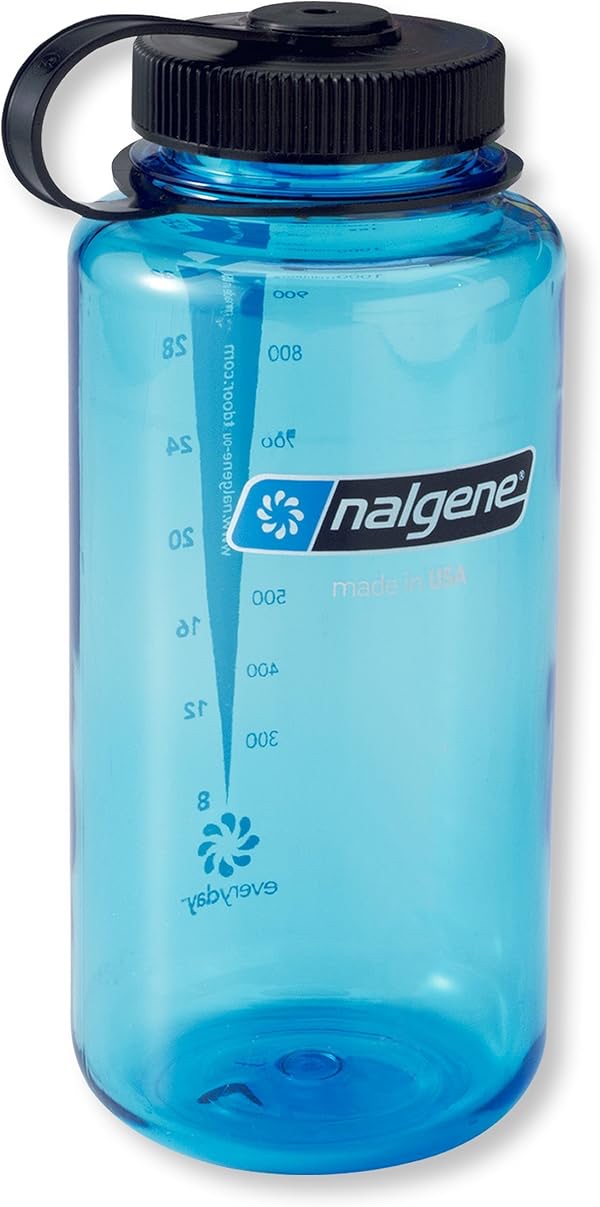
The Nalgene has been the standard-issue water bottle for hikers, soldiers, and outdoor professionals for decades. Tritan plastic survives drops onto rocks, the wide mouth accepts ice cubes and is easy to clean, and graduated markings on the side let you measure water intake or mix drinks by volume.
Best for: Field use, rucking, gym, hiking, and anyone who wants the simplest, most durable water bottle available
Nalgene bottles have been standard equipment in military rucksacks and hiking packs since the 1970s, and the design has barely changed because it works. Tritan copolyester is nearly indestructible under normal use, resists staining and odors, and weighs next to nothing. The wide mouth fits ice cubes, makes cleaning effortless, and doubles as a measuring cup thanks to the volume markings. At $13, you can own three of these for the price of one insulated bottle. The trade-off is insulation, or rather the complete lack of it. Water gets warm fast in summer and cold fast in winter. The wide mouth also makes it easy to spill while drinking on the move. If you need your water to stay cold for hours, the CamelBak below is a better fit. But for pure utility and durability per dollar, nothing beats the Nalgene.
23. CamelBak Chute Mag 32oz Vacuum Insulated
~$34 on Amazon
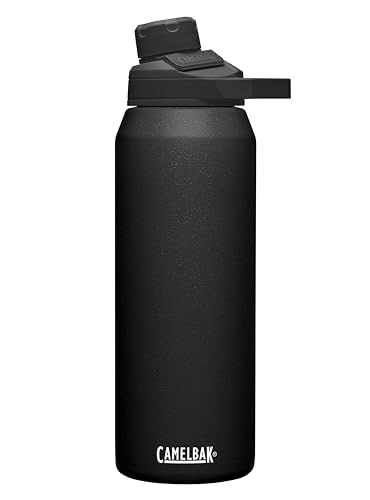
CamelBak's Chute Mag keeps water cold for up to 24 hours using double-wall vacuum insulation. The magnetic cap snaps out of the way while drinking and reattaches automatically, preventing the dangling-cap problem that plagues other bottles. Powder-coated stainless steel resists dings and scratches.
Best for: Hot-weather carry, long shifts, anyone who wants cold water after hours in a vehicle or backpack
CamelBak made its name with hydration bladders for military use, and the Chute Mag translates that water-delivery expertise into a more conventional bottle format. Double-wall vacuum insulation keeps cold drinks cold for a full day and hot drinks warm for six hours. The magnetic cap is a small design detail that makes a real difference: it snaps securely out of the drinking path and does not swing around or collect dirt. Powder-coated stainless steel holds up to daily carry in a pack or cupholder. Weight is the main weakness. At roughly one pound empty, the Chute Mag weighs three times as much as the Nalgene above. That matters on long hikes and rucks where every ounce counts. The narrower mouth opening also makes filling with ice more difficult compared to wide-mouth options. For desk-to-vehicle-to-field transitions where temperature retention matters, though, the CamelBak earns its premium.
How to Choose a Tactical Backpack
Tactical backpacks come in hundreds of configurations, and the marketing language can make it hard to separate meaningful features from gimmicks. Focus on these four factors before anything else.
Capacity: Match the Pack to Your Mission
Volume is measured in liters, and tactical packs typically fall into three size brackets. Day packs range from 18 to 26 liters and handle daily commutes, range trips, and light hikes. Mid-size packs from 27 to 37 liters cover overnight trips, heavier EDC loads, and all-day field use. Large packs from 40 to 55 liters are reserved for multi-day outings and bug-out bag setups. Buying too large is the most common mistake. A half-empty 50-liter pack shifts and bounces during movement because the contents cannot fill the space. Pick the smallest pack that fits your actual daily load, not the hypothetical maximum you might someday carry.
MOLLE vs. Clean Exterior
MOLLE (Modular Lightweight Load-carrying Equipment) is the webbing grid that lets you attach pouches, holsters, and accessories to the outside of a pack. If you plan to customize your loadout with add-on pouches, full MOLLE coverage matters. If you want a pack that blends into civilian environments, look for laser-cut MOLLE (lower profile) or covert designs like the Vertx Gamut that hide the attachment points. Some users buy MOLLE-heavy packs and never attach a single pouch, which means they are carrying extra weight in webbing they will never use.
Materials: Cordura, Nylon, and Polyester
Fabric weight is measured in denier (D). Budget tactical packs use 400D to 600D polyester, which works for light use but wears through faster under abrasion. Mid-range packs use 1050D nylon, which offers a strong balance of weight and durability. Premium packs use 1000D Cordura, the gold standard for military applications thanks to its superior tear and abrasion resistance. Higher denier means more weight, so there is always a trade-off between durability and carrying comfort. For daily urban use, 500D to 600D is sufficient. For field use, rucking, or rough handling, 1000D Cordura pays for itself in longevity.
Suspension: Shoulder Straps, Hip Belts, and Frame Sheets
The most overlooked factor in tactical backpack selection is the suspension system. Thick shoulder straps with sternum straps are the minimum for any loaded carry. Hip belts transfer weight from your shoulders to your hips, and they matter significantly once loads exceed 15 to 20 pounds. Frame sheets (rigid or semi-rigid inserts in the back panel) prevent the pack from sagging and help channel weight into the hip belt. Budget packs rarely include functional hip belts or frame sheets, which is why a $75 pack loaded to 25 pounds feels dramatically worse than a $200 pack at the same weight.
EDC Loadout Basics: What to Carry Daily
Every day carry is about having the right tools accessible when you need them, not about carrying the most gear possible. The best EDC loadout is the one you actually carry consistently, which means it has to be light enough and compact enough that you never leave it behind. Here is a framework for building yours.
Tier 1: On Your Person (Always)
These items live in your pockets or on your belt regardless of whether you have a bag with you. A flashlight (the Streamlight MicroStream fits a watch pocket), a pen, your phone, a wallet, and keys. Add a small multi-tool or folding knife if your workplace allows it. Total weight should stay under one pound to avoid the "I'll leave it home today" temptation.
Tier 2: In Your Bag (Daily Carry)
Your pack adds capability that pockets cannot provide. A larger multi-tool like the Leatherman Wave+, a water bottle, a phone charger or battery bank, basic first-aid supplies (band-aids, ibuprofen, antiseptic wipes), and a spare pair of socks. If you carry a laptop, a dedicated sleeve or compartment protects it from the rest of your gear. This tier covers 95% of daily situations you might encounter.
Tier 3: Situational Add-Ons
These items come and go based on what you are doing that day. Rain gear, sunscreen, extra batteries, a notebook, gloves, or a change of clothes. The key is keeping these in modular pouches or organizers so you can swap them in and out of your pack quickly rather than digging through loose items. A good MOLLE pack makes this modular approach easy with attachable pouches for different loadouts.
For more gear ideas organized around specific use cases, check out our Father's Day gift guide for military enthusiasts and the airshow essentials gear guide for event-specific loadout recommendations.
Frequently Asked Questions
What size tactical backpack do I need for everyday carry?
For daily commuting and general EDC, a 20 to 26 liter pack covers most needs. That volume fits a laptop, change of clothes, water bottle, multi-tool, and accessories with room to spare. Only size up to 30+ liters if you regularly carry bulky items like camera gear, range equipment, or overnight supplies.
Is MOLLE webbing necessary on an EDC backpack?
Not for everyone. MOLLE is valuable if you plan to attach external pouches, holsters, or accessories to customize your loadout. If you just need a well-organized pack with good internal pockets, MOLLE adds weight without benefit. Laser-cut MOLLE is a good middle ground since it provides attachment points with a lower profile.
What is the difference between 500D and 1000D Cordura?
The number refers to denier, which measures the fiber thickness. 1000D Cordura is thicker, heavier, and significantly more resistant to abrasion and tearing. 500D Cordura is lighter and still durable enough for most civilian use. Military-spec packs typically use 1000D, while brands that prioritize weight savings often use 500D. Both are far superior to non-Cordura polyester.
How many lumens do I need in an EDC flashlight?
For general everyday carry, 200 to 500 lumens on the high setting covers nearly all tasks. That range is bright enough to illuminate a dark room, check under a vehicle, or navigate a trail. Anything above 1,000 lumens is useful for search tasks and security work but unnecessary for most daily use. More important than peak lumens is having a reliable low mode (20 to 50 lumens) for close-up tasks without blinding yourself.
Are tactical backpacks allowed as carry-on luggage?
Most tactical backpacks under 30 liters fit within airline carry-on dimensions. The 5.11 RUSH12, GORUCK GR1, and Vertx Gamut all qualify as personal items or carry-ons on major airlines. Remove any MOLLE attachments, carabiners, or tools that could trigger additional screening. TSA does not restrict tactical-style bags themselves, but sharp tools and multi-tools must go in checked luggage.
What is the best multi-tool for EDC?
The Leatherman Wave+ is the standard recommendation for good reason. It provides 18 tools with one-handed access to the blades, a 25-year warranty, and a tool selection that covers most daily tasks. If you need something smaller, the Leatherman Skeletool is a lighter option that strips down to pliers, a blade, and a bit driver. Both are solid choices depending on how much you want to carry.
How do I clean and maintain a tactical backpack?
Hand-wash with mild soap and lukewarm water using a soft brush for stubborn dirt. Never machine wash or dry a tactical backpack, as the heat and agitation can damage Cordura coatings, break down DWR (durable water repellent) treatments, and stress zippers and seams. Air dry completely before storing. For MOLLE webbing, use a toothbrush to remove debris from between the rows. Reapply DWR spray seasonally if you use the pack in wet conditions.
Should I buy a rechargeable or battery-powered flashlight?
Rechargeable lights are more cost-effective for daily use since you avoid buying disposable batteries. USB-C rechargeable models like the Fenix PD36R Pro are the most convenient. Battery-powered lights (CR123A or AA) have one advantage: you can carry spare cells for guaranteed runtime in situations where charging is not available. Dual-fuel lights that accept both rechargeable and disposable batteries, like the Streamlight ProTac 2L-X, offer the best of both worlds.
What belt width works best for concealed carry?
A 1.5-inch belt is the standard for concealed carry because it fits most holster clips and standard belt loops. Some duty holsters require 1.75-inch belts. Belts narrower than 1.5 inches lack the stiffness to support a holstered sidearm without rolling or sagging. Rigidity matters more than width, though. A stiff 1.5-inch gun belt like the KORE X7 or Blue Alpha EDC outperforms a floppy 2-inch department store belt every time.