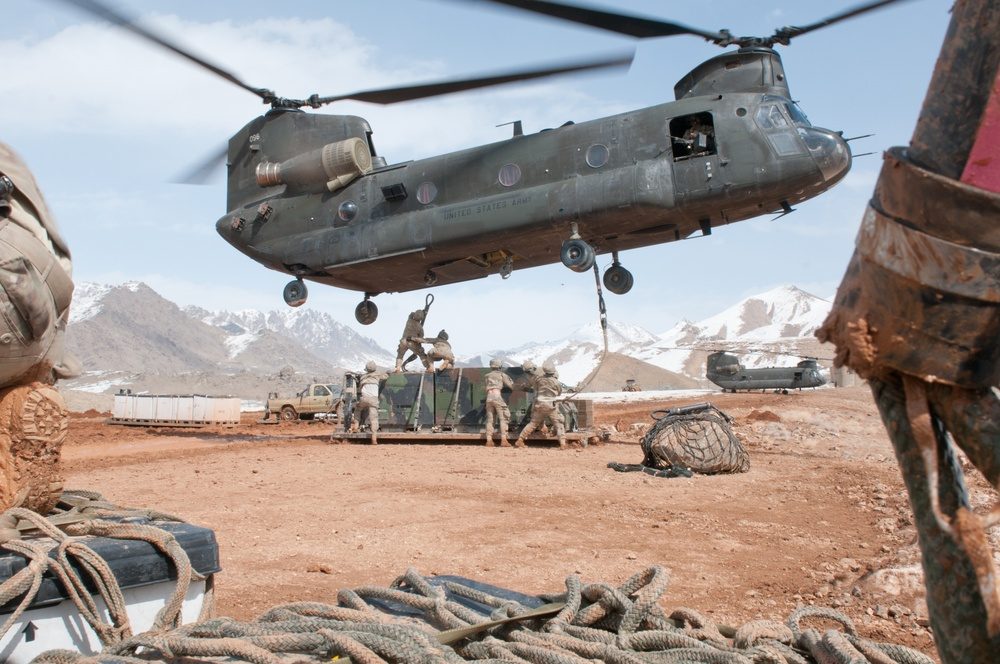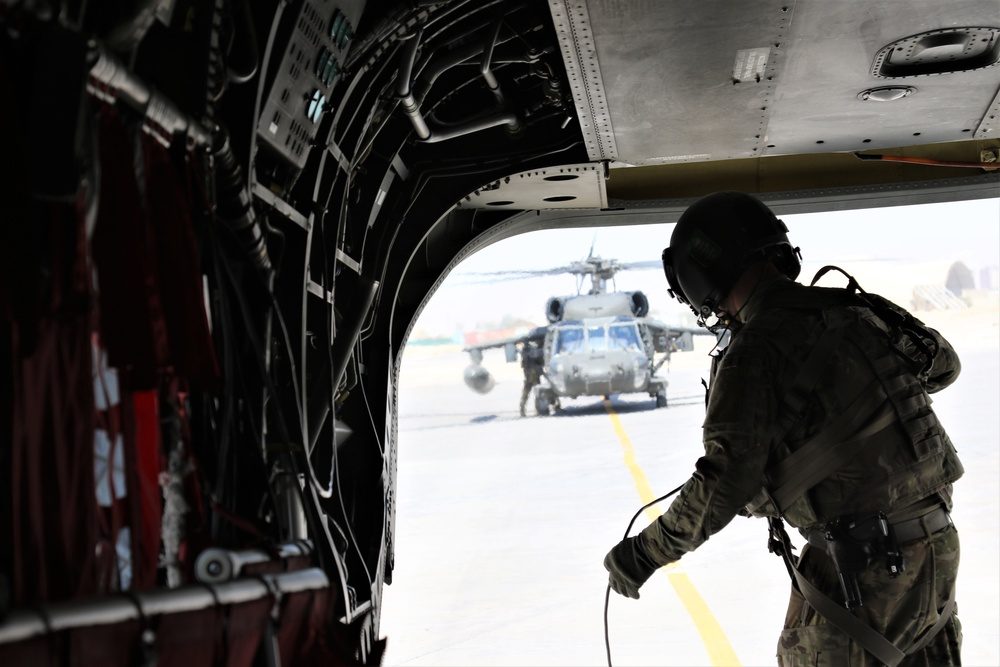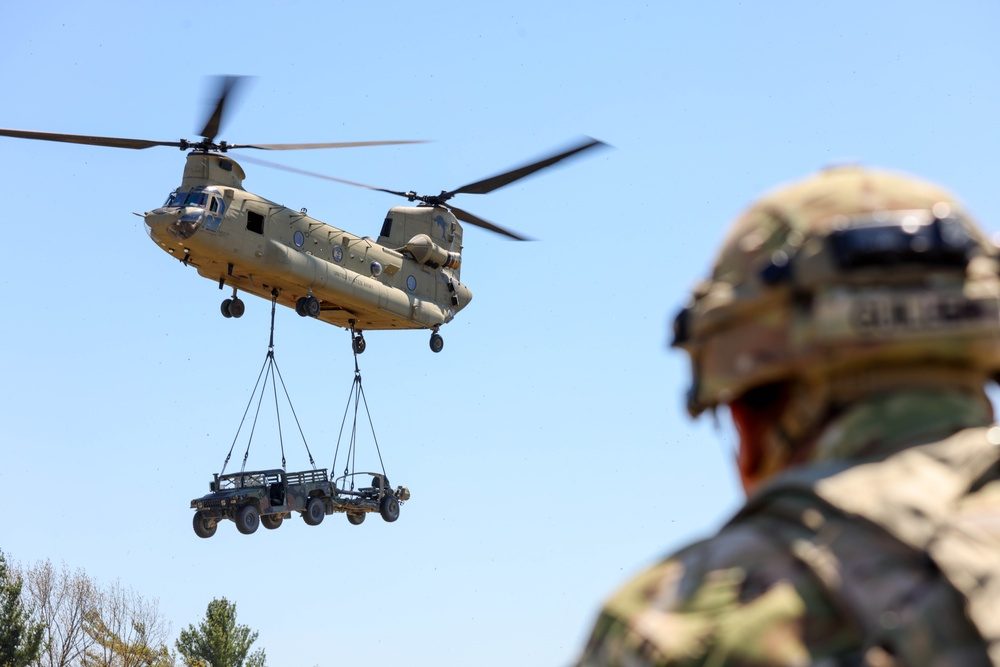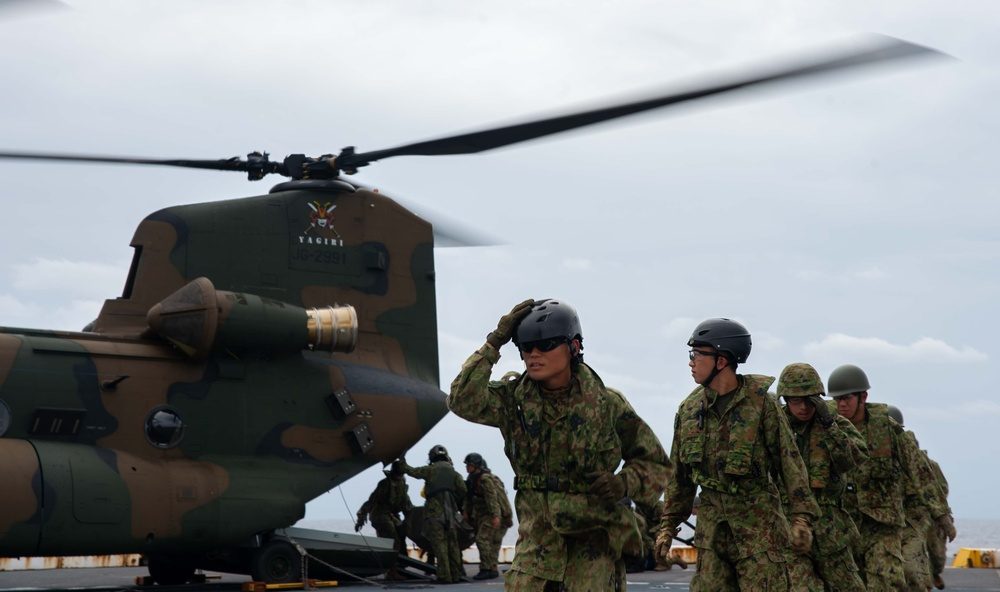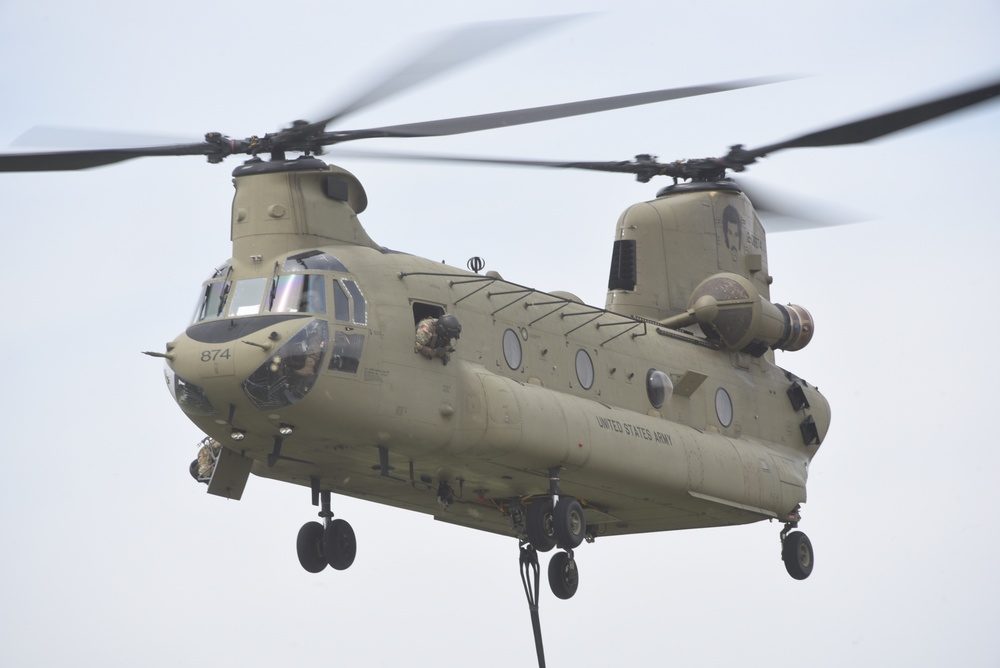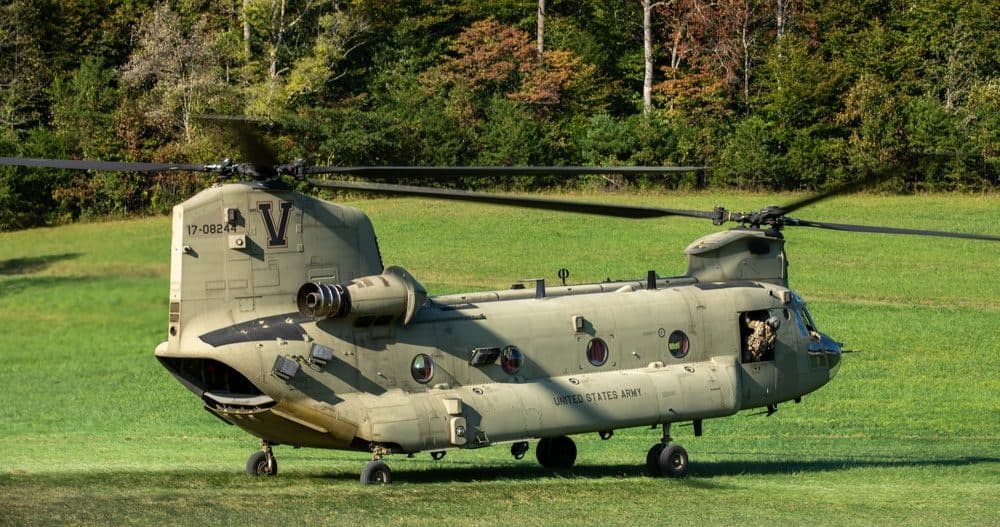

The CH-47 Chinook will serve for 100 years. That is not a metaphor or a projection. Boeing delivered the first Chinook to the U.S. Army in 1962. The current CH-47F Block II will remain in production and service until at least 2060. No other military aircraft in history has achieved, or is likely to achieve, that kind of operational longevity. The B-52 comes close, but the Chinook will outlast even that legendary bomber.
The reason is simple and has nothing to do with nostalgia: no one has figured out how to build a better heavy-lift helicopter. The tandem rotor design that Frank Piasecki pioneered and Boeing perfected remains the most efficient architecture for moving massive loads at speed over terrain that ground vehicles cannot cross. Every attempt to replace the Chinook has either failed to match its capabilities, exceeded its cost by multiples, or both.
The Tandem Rotor Advantage
Every conventional helicopter wastes 10 to 15 percent of its engine power fighting its own tail rotor. The tail rotor exists for a single reason: to counteract the torque that the main rotor imposes on the fuselage. Without it, the helicopter body would spin in the opposite direction of the rotor. The tail rotor produces no lift. It generates no forward thrust. It is pure overhead: engine power spent preventing the aircraft from becoming uncontrollable.
The Chinook eliminates this problem entirely. Its two counter-rotating rotors cancel each other's torque. Every horsepower from the twin Honeywell T55-GA-714A engines, producing 4,868 shaft horsepower each, goes directly into generating lift or forward thrust. This is why the Chinook can carry loads that would be physically impossible for a single-rotor helicopter of equivalent weight and engine power.