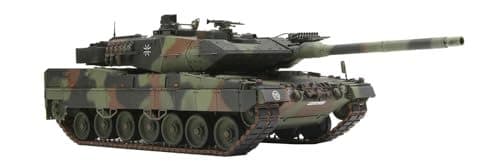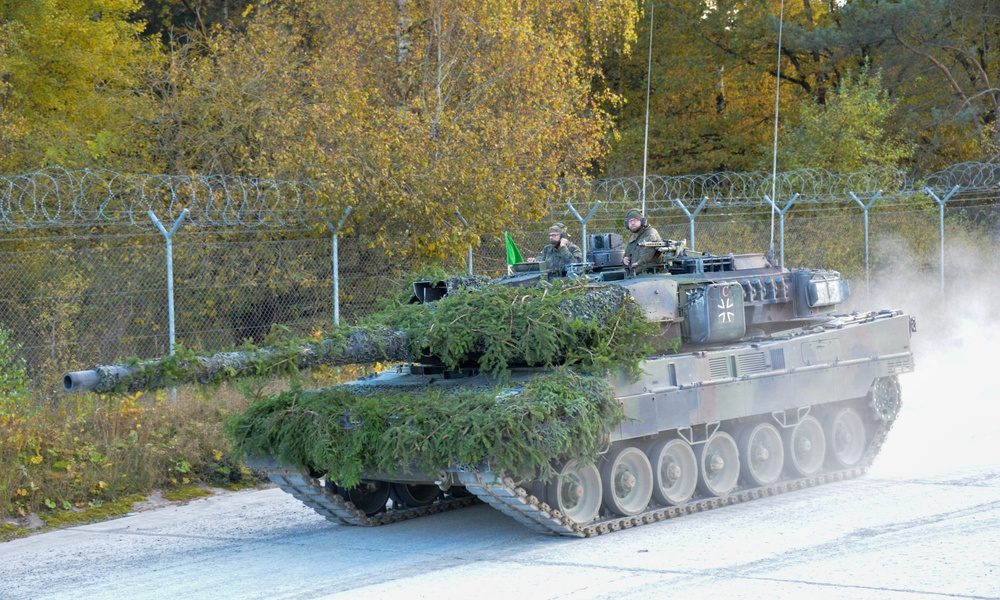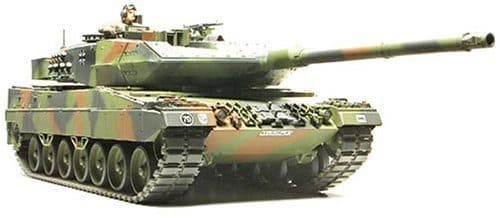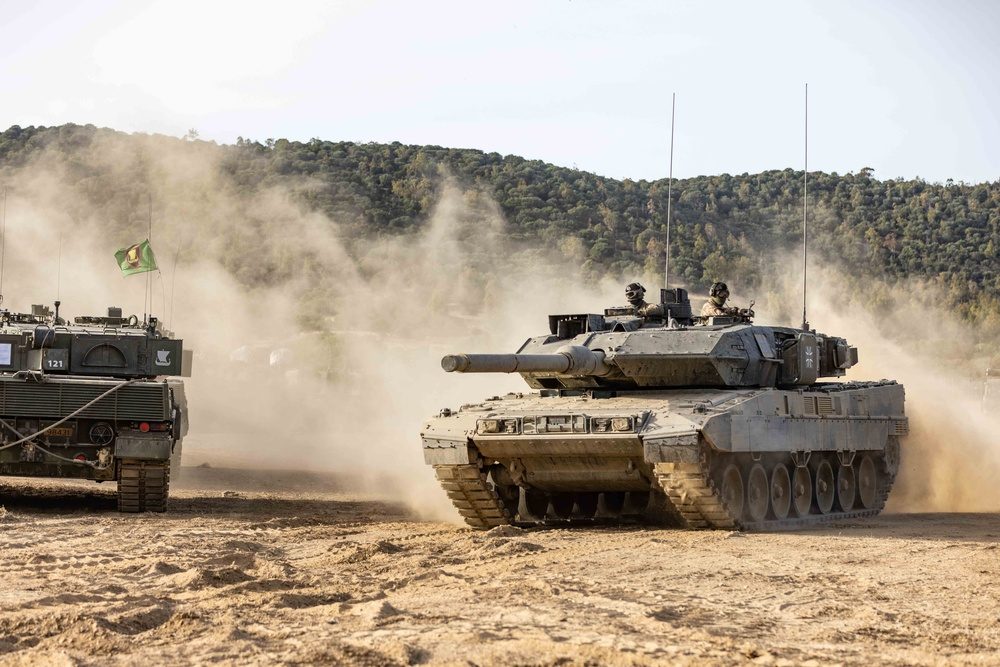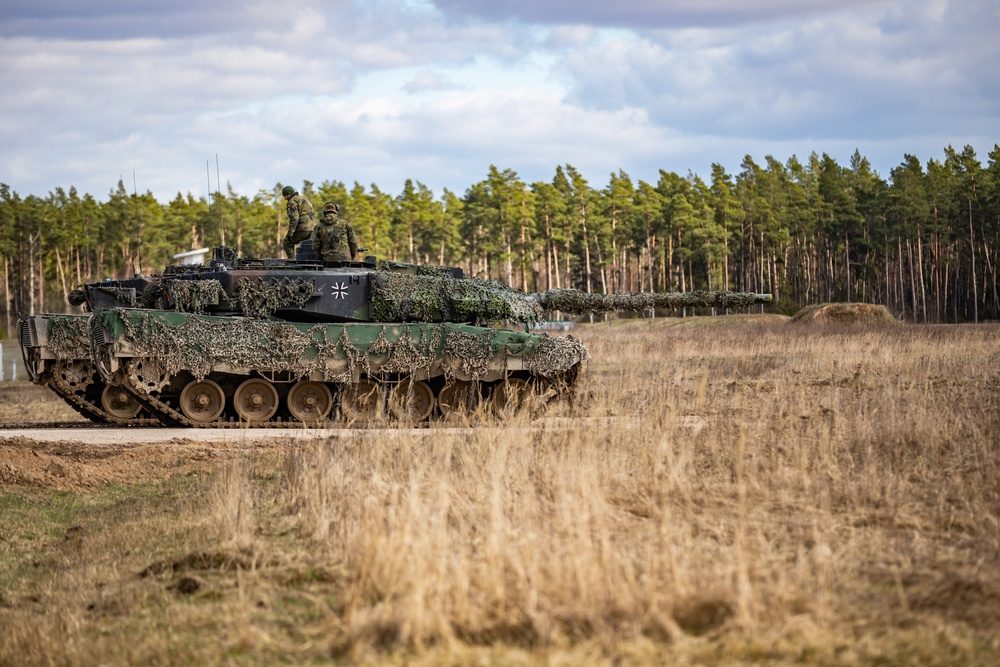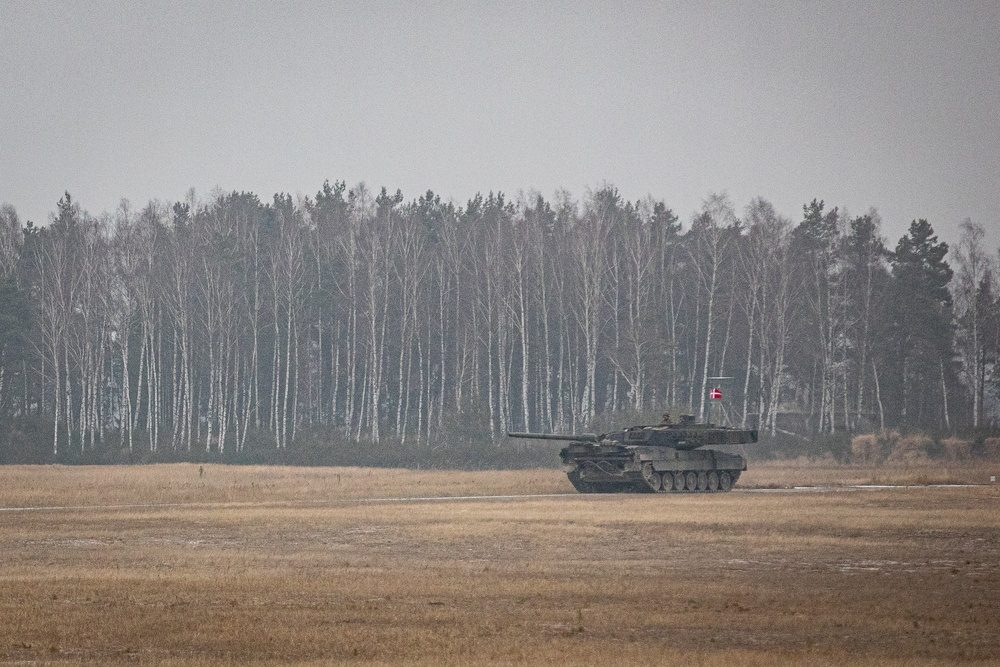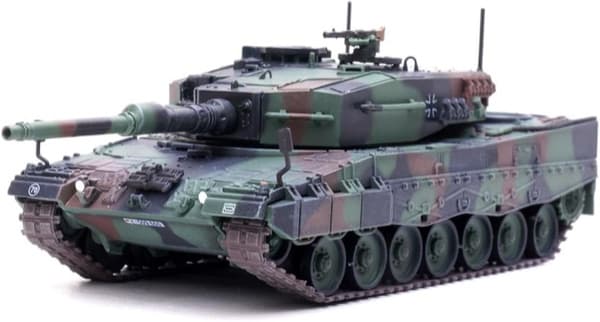

Nineteen armies on four continents have chosen the Leopard 2 as their main battle tank. No other Western tank comes close to this export record. The M1 Abrams serves in four countries. The Challenger 2 never found a single foreign buyer. The Leclerc sold to exactly one export customer. Yet the Leopard 2, designed by Krauss-Maffei in the late 1970s, has become the default choice for any NATO-aligned nation that needs a proven, upgradeable, and interoperable main battle tank.
This is not an accident. The Leopard 2's dominance in the global tank market reflects a deliberate design philosophy that prioritized modularity, reliability, and affordability over the pursuit of any single performance metric. Understanding why 19 countries trust this platform, and what its actual combat record reveals about its strengths and vulnerabilities, requires looking at the tank as a system, not just a machine.
Cold War Origins: Built to Stop the Soviet Army
The Leopard 2 entered service with the Bundeswehr in 1979, replacing the Leopard 1 as West Germany's primary armored platform. Its design was shaped by a singular operational requirement: stopping massed Soviet tank formations in the Fulda Gap. NATO planners expected to be outnumbered three-to-one or worse in any conventional conflict with the Warsaw Pact. The tank that defended Western Europe needed to destroy T-72s and T-80s reliably at long range, survive multiple hits, and keep fighting after sustaining battle damage.
Krauss-Maffei and its subcontractors answered with a 55-ton platform built around the Rheinmetall L/44 120mm smoothbore gun, the same caliber that would later equip the M1A1 Abrams. The gun could penetrate any Soviet tank in service at combat ranges exceeding 2,000 meters. The MTU MB 873 Ka-501 twin-turbo diesel engine produced 1,500 horsepower, giving the Leopard 2 a power-to-weight ratio that made it one of the fastest main battle tanks in the world at over 70 km/h on roads.