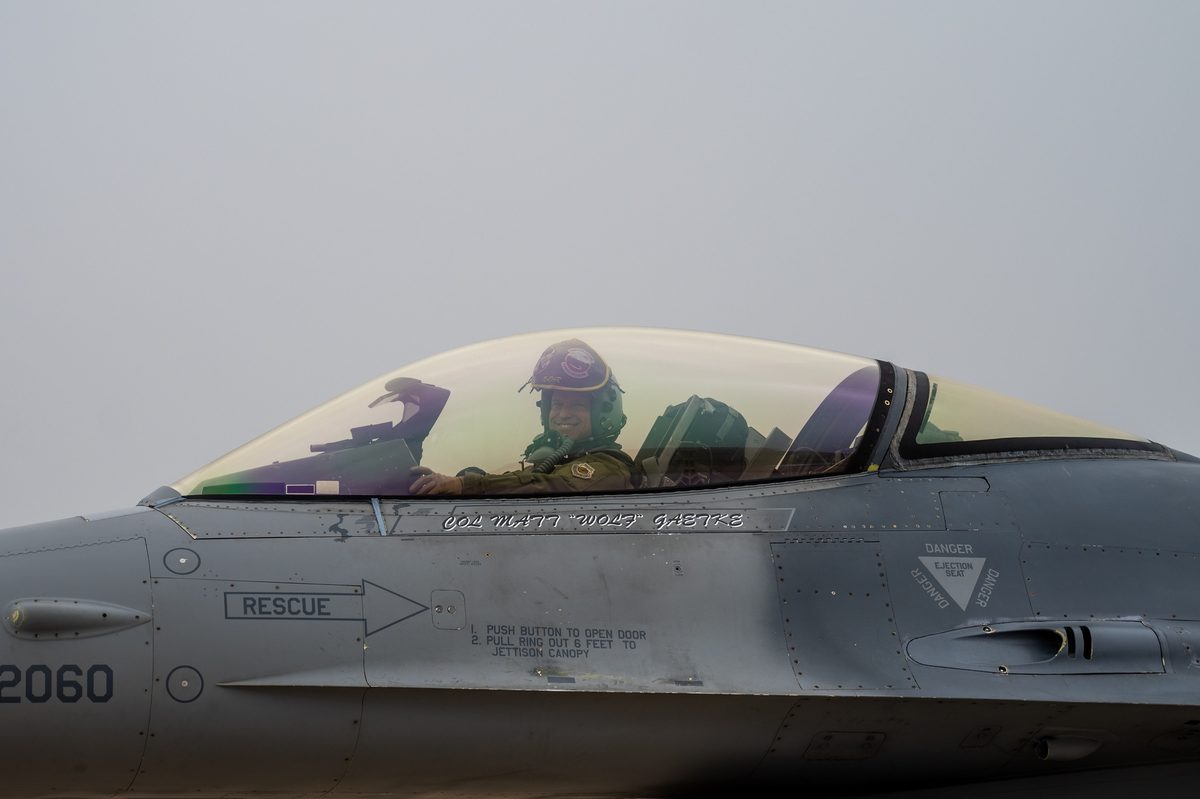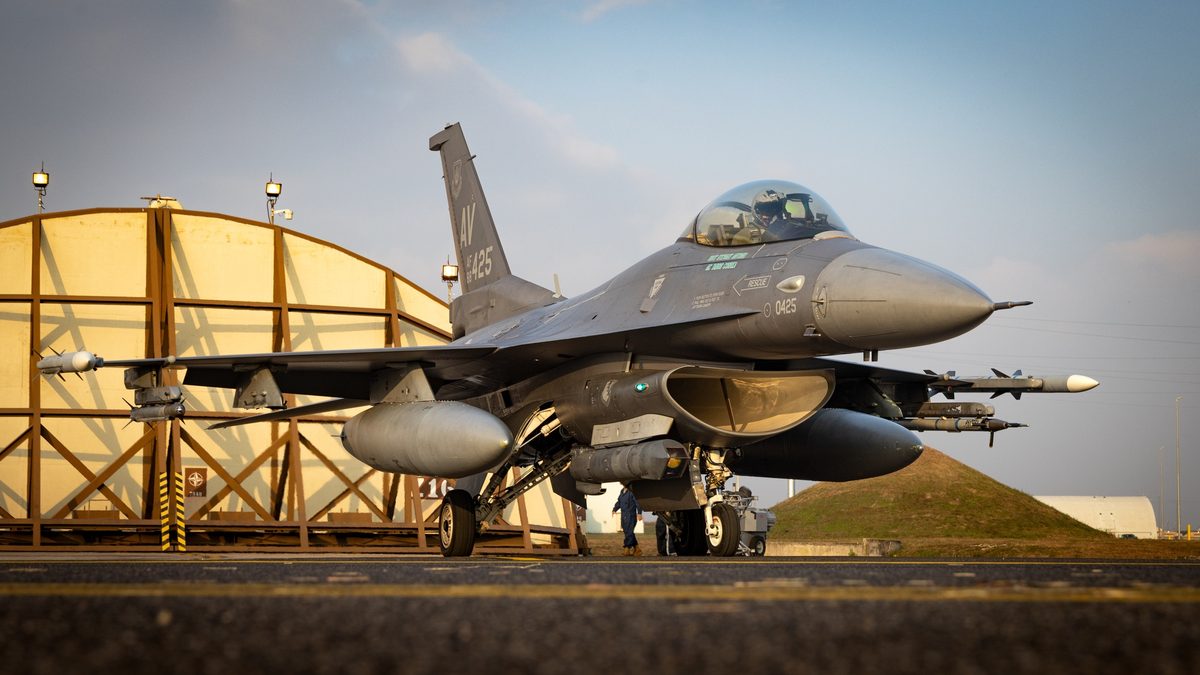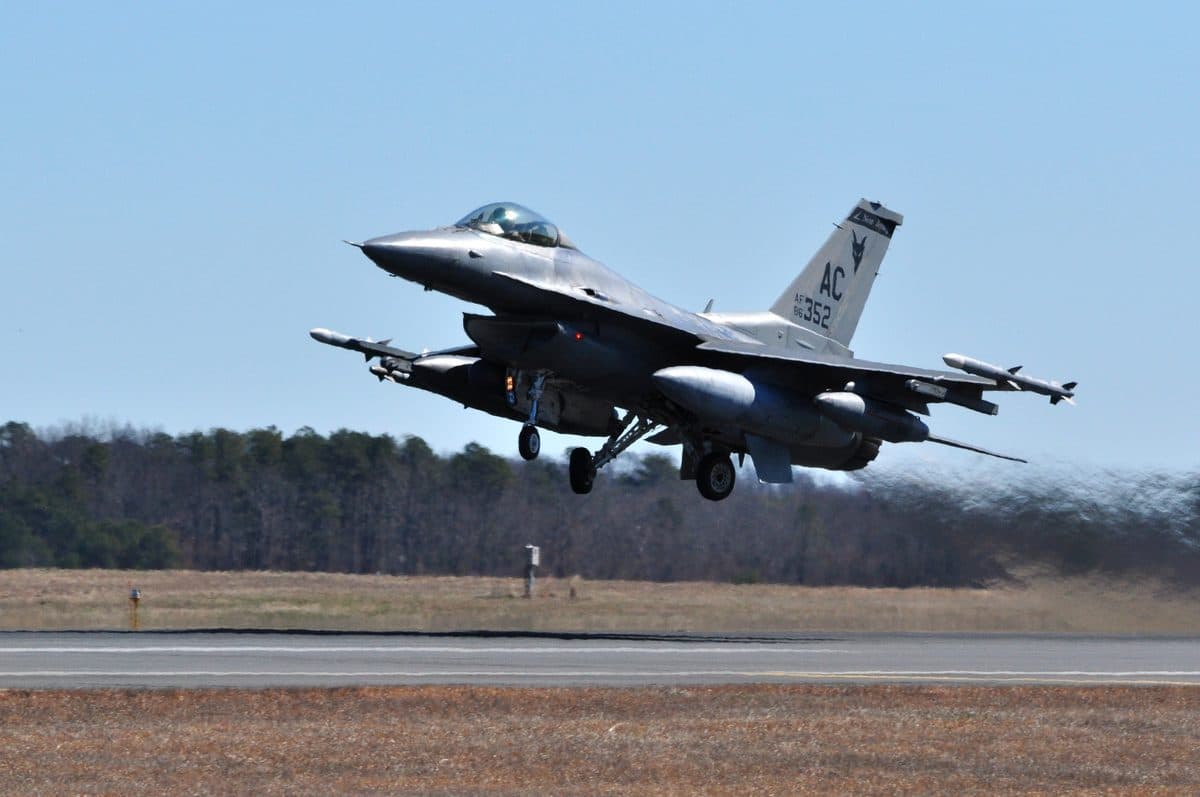

The F-16 Fighting Falcon was designed to be the cheap fighter. Not the best, not the most capable, not the most technologically advanced, just an agile, affordable dogfighter that could be bought in numbers large enough to overwhelm any adversary. More than 4,600 have been built. Over 25 countries fly it. It has an air-to-air combat record of roughly 76 kills to one loss. And it is still in production today, more than 50 years after the prototype first flew. The jet that was supposed to be the budget option became the most successful Western fighter aircraft since the F-86 Sabre, and the story of how that happened begins with a group of military reformers who thought the Pentagon was building the wrong airplanes.
The Fighter Mafia: John Boyd and the Case for a Cheap Fighter
In the late 1960s, Colonel John Boyd was the most controversial officer in the United States Air Force. A brilliant but abrasive fighter pilot and military theorist, Boyd had developed the energy-maneuverability theory, a mathematical framework for comparing the combat performance of fighter aircraft based on their ability to gain and exchange energy (speed and altitude) in a dogfight. His analysis showed something the Air Force didn't want to hear: the F-111, the Navy's F-14 Tomcat, and the Air Force's forthcoming F-15 Eagle were all too heavy, too complex, and too expensive to win the kind of wars America would actually fight.
Boyd and a small group of like-minded reformers, including mathematician Thomas Christie, analyst Pierre Sprey, and Pentagon official Everest Riccioni, formed what became known as the "Fighter Mafia." Their argument was simple and heretical: instead of building a few hundred expensive, multi-role fighters loaded with radar and long-range missiles, the Air Force should build thousands of small, cheap, agile aircraft optimized for close-range visual dogfighting. They pointed to the Vietnam War, where the Air Force's complex, missile-dependent F-4 Phantom had struggled against simple North Vietnamese MiG-21s in close-range engagements. The data showed that most air combat kills happened at visual range, not at the beyond-visual-range distances that expensive radar-guided missiles were designed for.
Boyd and his allies lobbied Congress directly, an act of career suicide in the Pentagon, and secured funding for the Lightweight Fighter (LWF) program in 1971. The program called for prototype demonstrations of small, cheap, single-engine fighters weighing less than 20,000 pounds. It was explicitly not an acquisition program. The Air Force brass, committed to the F-15, agreed to the LWF program only because they were confident it would go nowhere.