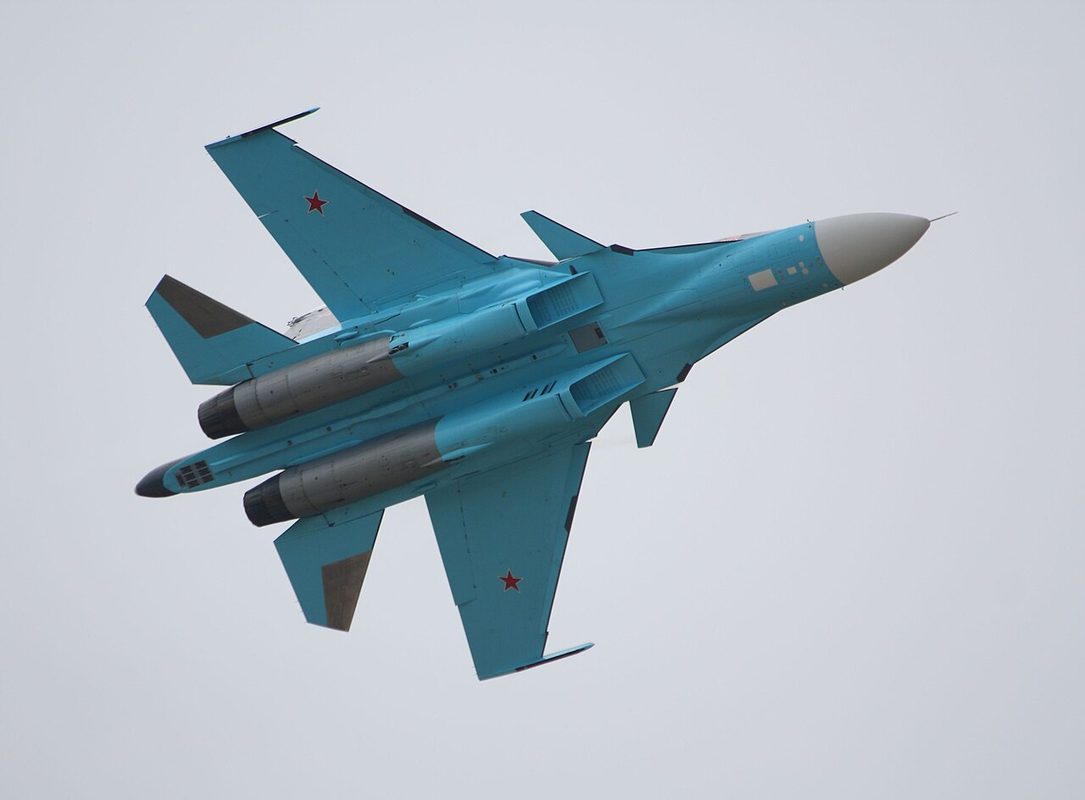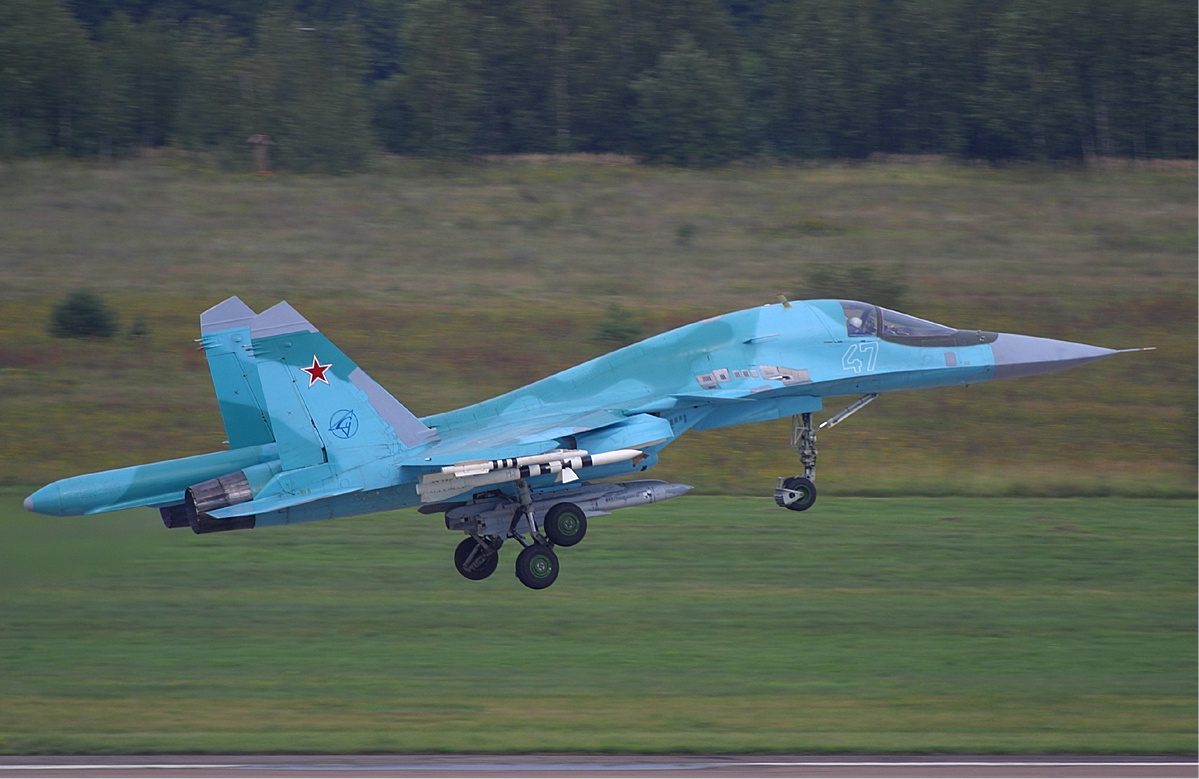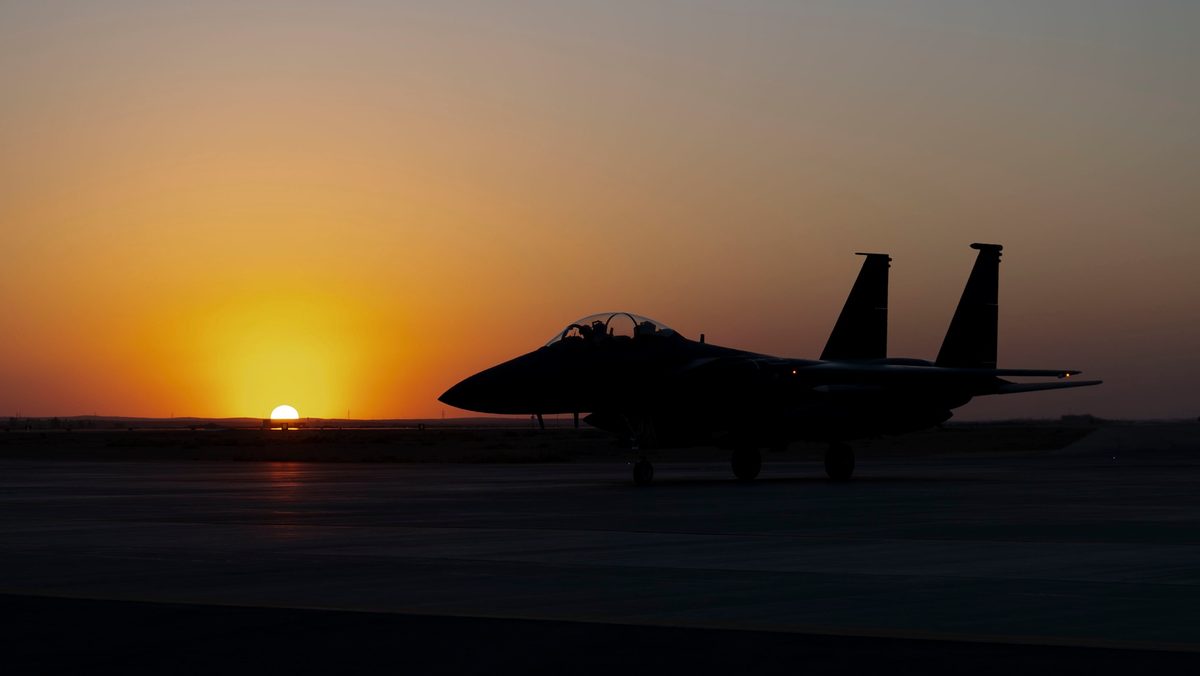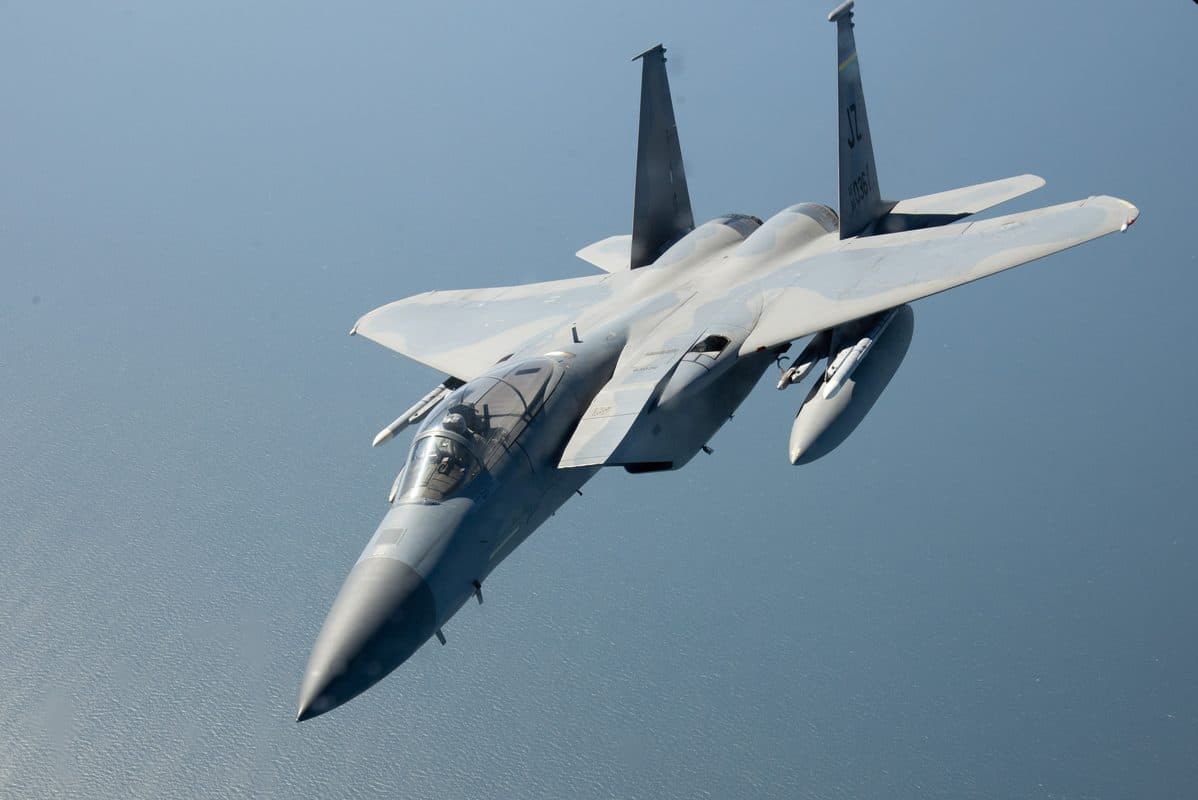

Sometime in the 1980s, two superpowers arrived at the same conclusion independently. Each needed a heavy, twin-engine, two-seat fighter that could penetrate hostile air defenses at low altitude, deliver precision munitions against hardened ground targets, and then fight its way back out if intercepted. The United States took an existing air superiority fighter, the F-15 Eagle, and built a strike variant around it. The Soviet Union designed a completely new airframe from scratch. The results were the F-15E Strike Eagle and the Su-34 Fullback, and the differences between them reveal everything about how each nation thinks about airpower.
The Design Philosophy Gap
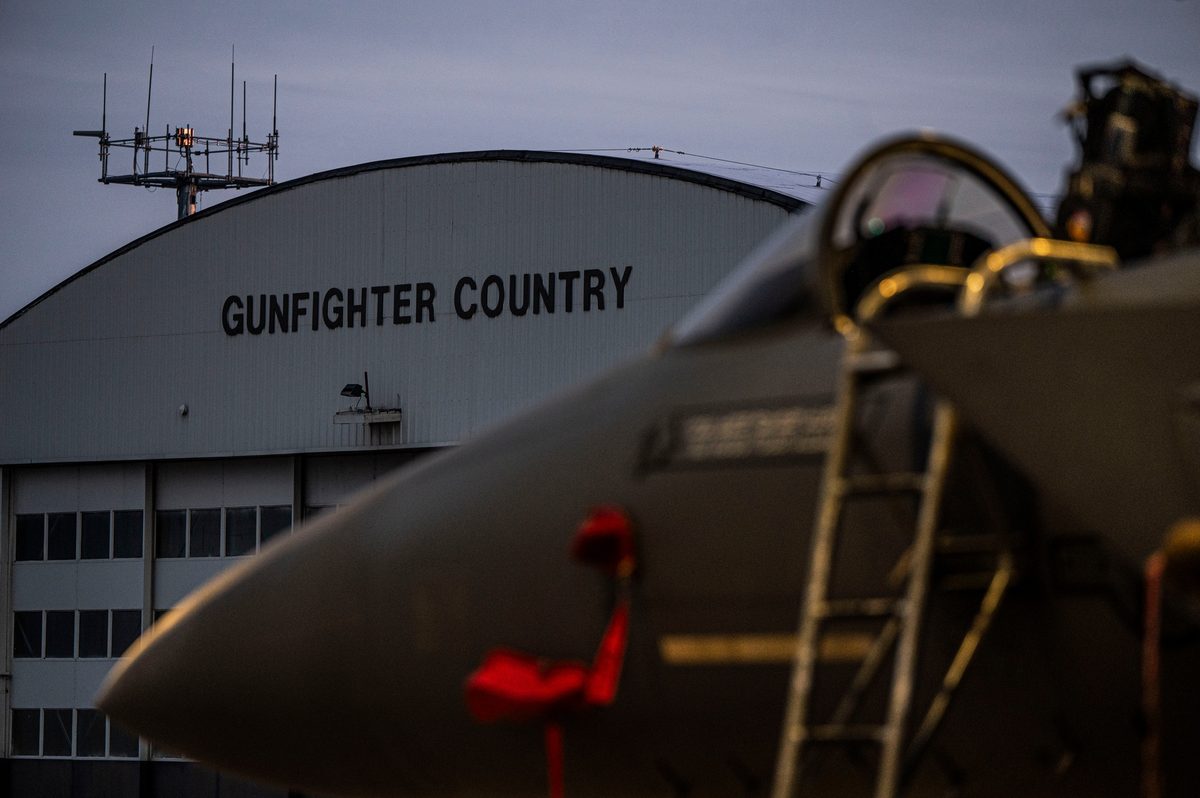
The F-15E was born from pragmatism. McDonnell Douglas (now Boeing) took the F-15, already the world's premier air superiority fighter, and added conformal fuel tanks, a rear cockpit for a Weapon Systems Officer, and the APG-70 synthetic aperture radar (later upgraded to the APG-82 AESA). The basic airframe was proven, the logistics chain existed, and the Air Force got a dual-role fighter that could outfight anything in the air and hit ground targets with precision. First flight was in 1986. It entered service in 1988. The development timeline was fast because the airframe was not new.
The Su-34 took the opposite approach. Sukhoi started with the Su-27 Flanker's aerodynamics but designed an entirely new forward fuselage with a side-by-side cockpit, the only fighter aircraft in the world with one. The crew sits shoulder-to-shoulder in a titanium armored bathtub that can withstand 20mm cannon fire. Behind the cockpit, there is a small galley with a heating element, a toilet, and enough room for one crew member to lie down and rest during long missions. The Soviets were not designing a fighter that happened to bomb things. They were designing a long-range strike platform that happened to be able to defend itself.
That side-by-side cockpit is not just a comfort decision. It fundamentally changes crew coordination. In the F-15E, the pilot and WSO sit in tandem, one behind the other, communicating through the intercom and sharing information via displays. In the Su-34, the pilot and navigator-operator can point at each other's screens, pass charts, and maintain visual communication naturally. Russian doctrine emphasizes crew endurance on missions that can last six to eight hours with aerial refueling, and the Su-34's cockpit was designed around that requirement.